
Plants
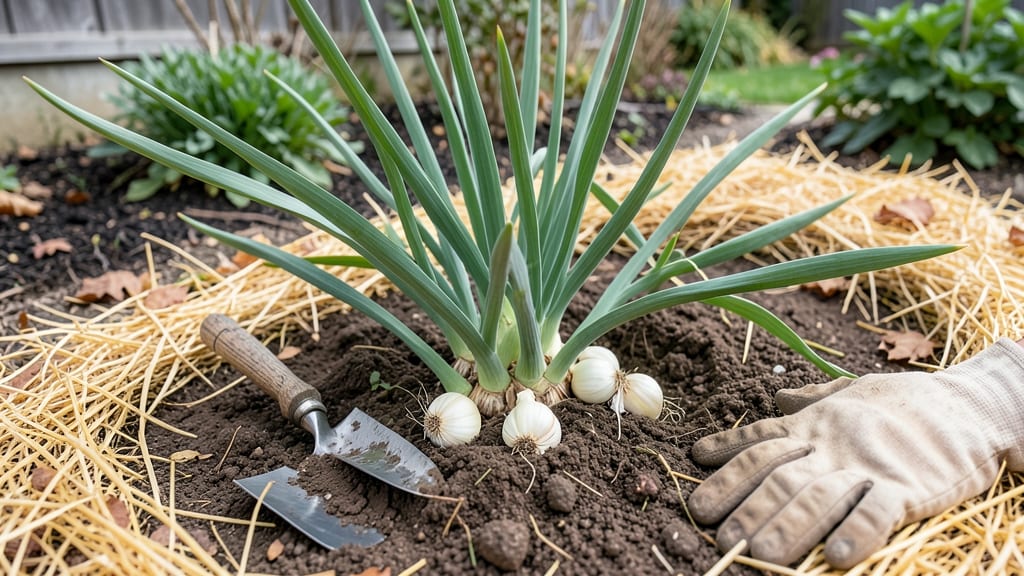
Planting garlic in Pennsylvania at the wrong time means smaller bulbs—or worse, no harvest at all. The key to growing bold, flavorful 🧄 lies in timing your fall planting just right, when soil temps dip below 60°F but before winter freeze sets in.
Most Pennsylvania gardeners in zones 5b-7a should get cloves in the ground between October and November, but the exact window depends on your microclimate. Plant too early, and your garlic may bolt; too late, and frost will stunt growth before spring.
Let’s break down the perfect schedule for your region.
Why does this matter? Because garlic planted in fall—when days grow shorter and nights cooler—develops stronger bulbs than spring-planted varieties. With the right prep (soil, spacing, and protection from deer), you’ll harvest plump, flavorful cloves by mid-summer. Here’s exactly how to nail your timing.
We’ll cover regional adjustments, soil prep tips, and signs your garlic is thriving (or struggling) through Pennsylvania’s unpredictable winters. Ready to grow garlic that rivals store-bought? Let’s get started.
Best fall planting windows for garlic in Pennsylvania by region
Pennsylvania's diverse climate—spanning USDA Zones 4 through 7—means your garlic planting schedule should match your specific region. In colder zones like Zone 4 (northwest PA), you'll plant earlier than in Zone 7 (southeast PA).
The key is planting 4-6 weeks before ground freezes, but soil temperatures matter just as much as calendar dates.
For hardneck varieties like Rocambole and Purple Stripe, fall planting is non-negotiable. These varieties need cold vernalization to form bulbs, and planting in spring simply won't yield the same quality.
Let's break down the ideal windows by region, including soil temperature and moon phase considerations that Pennsylvania gardeners swear by.
Soil temperature is your secret weapon: garlic cloves need soil between 40°F and 50°F to establish roots before winter. Below 40°F, they'll struggle to root, and above 50°F, they might bolt prematurely. Use a soil thermometer to check—don't guess!
Moon phases also play a role in traditional garlic planting. Planting during the waning moon (when the moon is shrinking) is said to encourage root development, while the waxing moon (growing moon) can promote top growth.
Many Pennsylvania gardeners time their planting around the Hunter's Moon in October for optimal results.
In Zone 4 (northwest PA), aim for mid-September to October 15. Soil temperatures here drop quickly, so don't wait until November—your cloves won't root properly. Use a soil thermometer to confirm temperatures are between 40°F and 50°F before planting.
If you're in Erie or Scranton, Rocambole is your best bet for hardiness.
Central Pennsylvania (Zones 5-6) gives you a slightly longer window: late September to October 30. This is perfect for Purple Stripe, which loves the cooler nights of central PA.
Plant deeper here—2 inches—to protect cloves from freezing. The Hunter's Moon in October is ideal for planting in this region.
Gardeners in southeast PA (Zones 6-7) can plant later, from October
How to prepare your Pennsylvania soil for fall garlic planting
Fall-planted garlic thrives in Pennsylvania’s cool, moist soil, but our clay-heavy and acidic native soils often need adjustments. Without proper prep, your bulbs may struggle to develop properly or fall prey to deer pressure common in rural areas.
Start with a soil test—this is your first critical step to unlocking garlic success.
Garlic prefers a pH between 6.0 and 7.0. Pennsylvania’s natural acidity (often pH 5.0-5.5) can stunt growth, so test your soil using a home test kit or send a sample to Penn State Extension.
If your soil tests too acidic, amend it with pelletized lime or sulfur—but do this 6-8 weeks before planting to avoid burning roots.
✅ Step-by-Step Soil Prep for PA Garlic
- Test soil pH (aim for 6.0-7.0)
- Amend with compost (2-3 inches mixed into top 6-8 inches of soil)
- Break up clay with gypsum if drainage is poor (10 lbs per 100 sq ft)
- Add sulfur if pH > 7.0 (follow label rates)
- Rake in 1 tbsp 10-10-10 fertilizer per planting hole
- Mulch heavily with straw (4-6 inches) to deter deer
Pennsylvania’s heavy clay soils can suffocate garlic roots, leading to poor bulb formation.
If your soil feels dense when squeezed, mix in gypsum (calcium sulfate) to improve structure without altering pH. Work it into the top 6-8 inches of soil at least 2 weeks before planting—this gives it time to break down.
Deer are a major threat to fall-planted garlic in PA’s rural areas. After preparing your soil, protect your cloves with straw mulch (4-6 inches) and consider deer-resistant fencing (8-foot tall) if local deer populations are high.
A light sprinkle of hot pepper flakes around plants can also deter browsers without harming your garlic.
Finally, choose a sunny, raised bed if possible—this improves drainage in PA’s wet springs. Garlic needs 6+ hours of sunlight daily, so avoid shady spots.
Once your soil is amended and protected, plant cloves 2 inches deep, 4 inches apart, with the pointy end up—this ensures strong root development before winter.
With proper soil prep, your Pennsylvania garlic will establish deep roots before winter, setting the stage for large, flavorful bulbs next summer. The key is testing early and amending thoroughly—don’t skip these steps, or you’ll risk poor yields. Happy planting! 🌱