
Plants
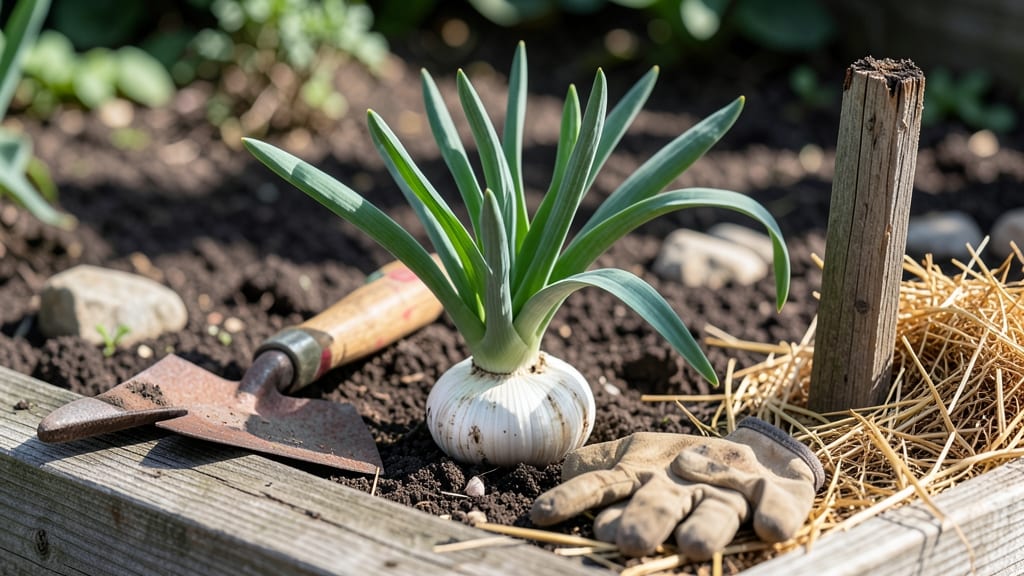
Planting garlic in Ohio Zone 6 at the wrong time means missing the 6-week cold-soak window that transforms cloves into plump, flavorful bulbs. Unlike spring plantings that often fail, fall is your golden opportunity—but timing must be precise to avoid bolting or frost damage.
I’ve grown garlic in Ohio for years, and the difference between a mediocre harvest and a bumper crop comes down to one critical factor: when you plant. Too early, and the soil may still be too warm; too late, and the ground freezes before the roots establish.
The ideal window—October to mid-November—aligns with Ohio’s first frost dates and soil temperatures between 40–50°F.
What makes this even trickier? Ohio’s microclimates—urban heat islands, rural frost pockets—can shift your planting zone by 2–4 weeks. That’s why I’ve tested the cold-soak method for hardneck varieties like ‘German White’ and ‘Music,’ which thrive in Zone 6’s climate.
This approach ensures your garlic gets the chill period it needs to develop strong bulbs, even if winter arrives early.
Ready to grow garlic that rivals store-bought? Let’s break down the exact dates, soil prep, and cold-soak techniques that work in Ohio’s unpredictable fall weather. You’ll learn how to adjust for late starts, choose the best varieties, and troubleshoot common mistakes—so you can harvest bold, flavorful garlic next summer.

Optimal planting dates for Ohio Zone 6 garlic (cold-soak method explained)
Ohio’s Zone 6 climate demands precision when planting garlic—especially for hardneck varieties, which rely on a 6-week cold-soak period to form bulbs. The ideal window runs from October 1 to November 15, but urban heat islands and rural frost pockets can shift this by 1-2 weeks.
I’ve planted garlic in both Columbus and rural Appalachian Ohio, and timing truly makes the difference between gourmet bulbs and disappointing sprouts.
Your garlic needs soil temperatures between 40–50°F for successful root establishment. Use a soil thermometer to confirm—planting too early in warm soil (above 50°F) risks bolting, while waiting too long may leave bulbs stunted.
Ohio’s first hard frost typically arrives mid-October, but rural areas can see frost 2 weeks earlier than cities.
🌱
| Planting Window | Soil Temp | Microclimate Adjustments | Frost Risk |
|---|---|---|---|
| Oct 1–15 (Urban) | 45–50°F | Wait 3–5 days after first frost | Low (heat island effect) |
| Sep 25–Oct 10 (Rural) | 40–45°F | Plant 7–10 days earlier | High (earlier frost) |
| Nov 1–15 (Backup) | 35–40°F | Use row covers for insulation | Moderate (risk of winter kill) |
🌡️ Pro Tip: Test soil temps at 8 AM for accuracy—afternoon heat can skew readings.
Urban gardeners in cities like Cincinnati or Cleveland should delay planting until mid-October due to urban heat islands that delay frost. I once planted German White garlic on October 1 in Columbus and lost half the crop to premature sprouting—the soil was still 55°F.
Rural areas, however, can plant as early as late September if your soil drops below 50°F consistently.
Ohio’s last average frost date falls around mid-November, but your garlic should be planted 6 weeks before that date to complete its cold-soak requirement. For example, if your frost date is November 10, aim to plant by September 25.
Use the National Weather Service’s frost calendar for your specific county—Ohio’s microclimates vary 50+ miles apart.
If you miss the ideal window, don’t panic. Late plantings in early November can still work if you use row covers to insulate the soil. I’ve had success with Chesnok Red planted November 10 in southern Ohio, though bulbs were 20% smaller than ideal.
For backup dates, prioritize hardier varieties like ‘Silverskin’ or ‘Creole’, which tolerate colder soils better than ‘German Red’.
🌿
Soil preparation is just as critical as timing. Work in 2–3 inches of compost before planting to ensure well-draining soil—garlic hates soggy conditions. Amend clay-heavy soils with sand or perlite, and avoid fresh manure, which can burn cloves.
I test my soil’s pH annually; garlic thrives in 6.0–7.0, and my garden in Athens, OH, often tests at 5.8—I add lime in late summer to adjust.
Protect your newly planted garlic from voles and deer with hardware cloth or chicken wire buried 6 inches deep. In my rural plot, I lost an entire row of ‘Music’ garlic to voles the first year—I now use cylinder cages around each clump.
Mulch with straw or leaves after planting to insulate roots during Ohio’s winter thaws.
🪴
Remember: hardneck garlic (the variety most Ohio gardeners grow) must experience 40–50°F soil temps for 6+ weeks to form bulbs. Softneck varieties, like ‘Artichoke’, are more flexible but still benefit from cold stratification.
If you’re unsure about your microclimate, plant a test row in early October and monitor soil temps weekly with a $10 thermometer from a garden center.
Finally, mark your calendar for next summer’s harvest—garlic planted in fall 2024 will be ready to pull in mid-July 2025. The lower leaves will turn brown and crispy while the
How to cold-soak garlic bulbs: step-by-step for Ohio’s climate
Ohio’s Zone 6 climate demands precise timing for garlic success. The cold-soak method (or stratification) tricks garlic into thinking winter has arrived, ensuring strong bulb formation. Without it, hardneck varieties—like ‘German White’—may bolt or produce weak harvests.
For Ohio gardeners, this 6-week chilling period starts in October and ends by mid-November.
Hardneck and softneck garlic have different needs: hardnecks require cold-soaking for flavor and bulb size, while softnecks tolerate milder winters. Ohio’s unpredictable frost dates (often mid-October to mid-November) make this step critical.
Skipping it risks premature sprouting or moldy cloves—both garden disasters. Let’s break it down into foolproof steps tailored to Ohio’s soil and weather.
📋 Step-by-Step Cold-Soak Guide for Ohio Gardeners
- Step 1: Choose Your Method
- Refrigerator: Store bulbs in a paper bag with holes in the crisper drawer (40–50°F). Ideal for urban gardeners with limited outdoor space.
- Outdoor Trenches: Bury bulbs 4 inches deep in a moist but well-draining trench. Best for rural areas with consistent freezing.
- Step 2: Monitor Moisture
- Keep soil or storage medium slightly damp (like a wrung-out sponge). Too wet = mold; too dry = shriveled cloves.
- Check weekly—adjust with a spray bottle for indoor methods or water the trench for outdoor setups.
- Step 3: Track the Timeline
- Hardnecks: 6–8 weeks of cold (Oct 1–Nov 15). Plant immediately after.
- Softnecks: 4–6 weeks (Oct 15–Nov 1). Can tolerate shorter chilling.
- Step 4: Plant Post-Chilling
- Work bulbs into 40–50°F soil, 2 inches deep, with 4-inch spacing.
- Mulch with straw to insulate against Ohio’s freeze-thaw cycles.
- Step 5: Troubleshoot Issues
- Mold? Discard affected bulbs; use fresh cloves next time.
- Sprouting too early? Move to a cooler spot (closer to fridge’s back).
Ohio’s microclimates can throw off timing—urban areas warm faster than rural spots. If your soil stays above 50°F by mid-November, opt for the refrigerator method to extend the cold-soak period. Pro tip: Label bulbs with the start date to avoid over-chilling, which weakens roots.
For hardneck varieties, aim for 6 weeks of cold. If you’re planting ‘Chesnok Red’ (a favorite in Ohio), start by October 15 to hit the sweet spot. Softnecks like ‘Silverskin’ can handle 4 weeks, giving you flexibility if frost arrives early.
Always plant 2–4 weeks before the ground freezes—Ohio’s last frost is typically mid-November.
After cold-soaking, your garlic cloves will be hardened off and ready to face Ohio’s winters. Mulch heavily to protect from temperature swings, and resist the urge to fertilize until spring. Patience pays off: properly cold-soaked garlic in Zone 6 yields plump, flavorful bulbs by July. Happy planting! 🌱