
Plants
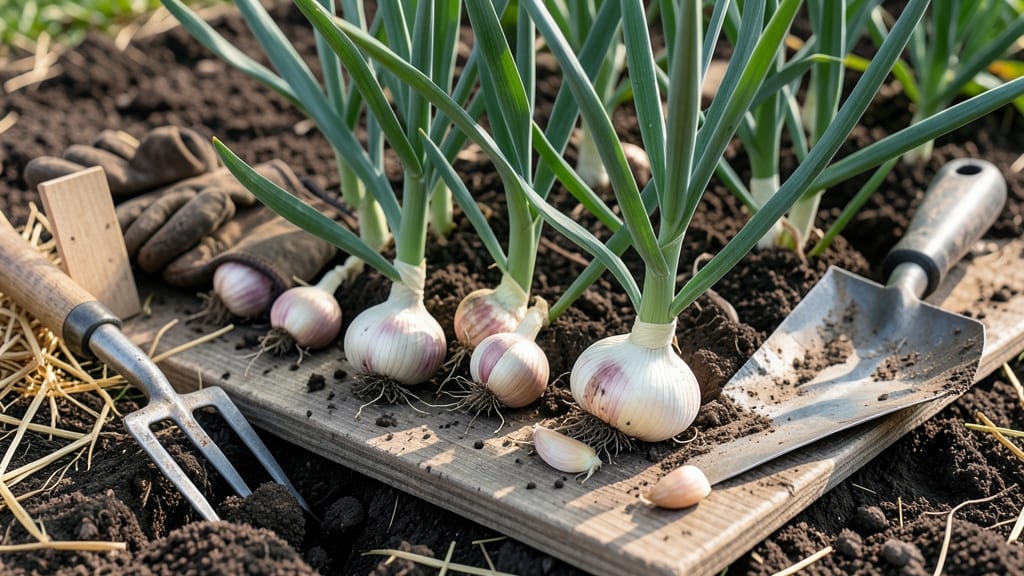
Planting garlic in Ohio’s spring can still yield a great harvest—but only if you time it just right. Unlike fall planting, which is the traditional method, spring garlic requires precise timing to avoid frost damage and ensure strong bulb development.
For Ohio’s 6a zone, the ideal window opens in early March, about 4-6 weeks before your last expected frost (typically around April 15). This gives your 🧄 cloves enough time to establish roots before temperatures rise.
Miss the window? Don’t panic. I’ll show you how to adjust for Ohio’s unpredictable weather, including soil prep tips and emergency planting strategies. With the right approach, you can still grow hardneck garlic successfully—even if spring arrives late.
Let’s break down the exact weeks to plant, soil temperature checks, and what to watch for so your garlic thrives from clove to harvest. Ready to get started?
Best weeks to plant garlic in Ohio before last spring frost
Ohio gardeners know timing is everything when planting hardneck garlic. Unlike many vegetables, garlic thrives with a cold period to develop strong bulbs. In Ohio’s USDA zones 5-7, planting too early or late can stunt growth or invite pests.
The last spring frost typically arrives around mid-April, but soil conditions vary by region.
For optimal bulb development, hardneck garlic needs 40-60 days of cold temperatures (below 40°F) before actively growing. In Ohio, this means planting 8-10 weeks before your average last frost date. For most areas, that’s mid-February to early March, but local microclimates can shift this window by weeks.
Key timing factors include soil temperature (ideally 40-50°F), frost risk, and garlic variety. Hardnecks like 'Music' or 'German White' are popular in Ohio and require precise timing. Planting too early risks rot, while waiting too long may yield small bulbs or no harvest.
Here’s the exact planting window for Ohio’s USDA zones 5-7, broken down by region and soil readiness:
| Region | USDA Zone | Last Frost Date | Ideal Planting Window | Soil Temp Requirement |
|---|---|---|---|---|
| Northern Ohio (e.g., Cleveland, Toledo) | 5a-5b | April 15 | February 20 - March 10 | 40-45°F |
| Central Ohio (e.g., Columbus) | 6a | April 10 | February 25 - March 15 | 40-50°F |
| Southern Ohio (e.g., Cincinnati, Lexington) | 6b-7a | April 5 | March 1 - March 20 | 45-50°F |
| All Regions (Emergency Late Planting) | 5-7 | N/A | March 25 - April 5 (smaller bulbs) | 50°F+ |
To confirm your local planting window, check the Ohio Agricultural Research and Development Center’s frost maps or use a soil thermometer. Aim to plant when the soil is workable but still cool—this encourages strong root development before the growing season peaks.
Hardneck garlic planted in early spring will still produce bulbs, but they’ll be smaller and less flavorful than fall-planted garlic. For the best results, prioritize fall planting (October-November), but if you missed that window, spring is your second chance—just adjust for soil warmth and frost risk.
Pro tip: Plant individual cloves (not whole bulbs) with the pointy end up, about 2 inches deep and 4-6 inches apart. Mulch with straw or leaves to protect from late frosts and retain moisture. This method mimics Ohio’s natural winter chill, which hardnecks need to form bulbs.
If you’re planting in late March or early April, monitor weather forecasts closely. A sudden late frost can damage young shoots. In this case, cover plants with frost cloth or row covers until temperatures stabilize. Even a light freeze can set back growth by weeks.
Remember, garlic planted in spring will mature faster but may not develop as large bulbs as fall-planted garlic. To maximize yield, pair your spring planting with fall garlic for a continuous harvest. Store any extra cloves in a cool, dry place until planting season.
For Ohio gardeners, the best weeks to plant garlic in spring are late February to mid-March, but flexibility is key. Use this timeline as a guide, and adjust based on your local frost history and soil conditions.
With the right timing, you’ll enjoy homegrown garlic by mid-summer—worth the effort! 🌱
How to adjust garlic planting for Ohio’s microclimates and frost risks
Ohio’s diverse microclimates—from Columbus’s humid continental to Toledo’s lake-effect moderation—create unique challenges for garlic growers. While hardneck varieties thrive with cold exposure, spring planting timing must account for regional frost risks and soil warming trends.
My Toledo garden often freezes 2 weeks later than Columbus, so I adjust planting dates accordingly.
In southern Ohio (USDA Zone 6b), like in Chillicothe, garlic can be planted as early as late February if soil temperatures stay above 40°F. Meanwhile, northern Ohio (Zone 5b), such as Akron, may need to wait until mid-March to avoid late spring frosts.
Always check your local frost date averages—they’re your planting compass.
Soil preparation is non-negotiable for Ohio’s clay-heavy soils. I double-dig my beds in fall, mixing in compost and coarse sand to improve drainage. Test your soil’s pH (6.0-7.0 ideal)—Ohio’s limestone bedrock often raises pH too high.
If needed, amend with sulfur or peat moss before planting. Well-draining soil prevents rot during Ohio’s wet springs.
For emergency planting if frost arrives unexpectedly, cover garlic beds with straw mulch (4-6 inches) and floating row covers. I’ve saved late-March plantings in Columbus using this method during 2021’s late frost.
If temperatures drop below 20°F, add black plastic sheeting over the row cover for extra insulation. Never plant garlic when soil is frozen or waterlogged—wait for workable consistency.
Regional soil temperature variations matter too. Use a soil thermometer—garlic roots need 45°F+ soil to establish. In Toledo’s lakeshore areas, soil warms 1-2 weeks earlier than inland zones.
Adjust your planting date 10-14 days earlier if you’re near Lake Erie. For inland areas like Dayton, stick to mid-March planting to avoid late frost damage.
My pro tip: Plant garlic in raised beds if your yard has poor drainage. Raised beds warm up faster in spring and give you earlier planting windows. Add gravel or perlite to the bottom for extra drainage—this is especially helpful in Ohio’s wetter northern regions.
With these adjustments, you’ll maximize bulb size even with Ohio’s unpredictable spring weather. 🌱