
Companion Plants
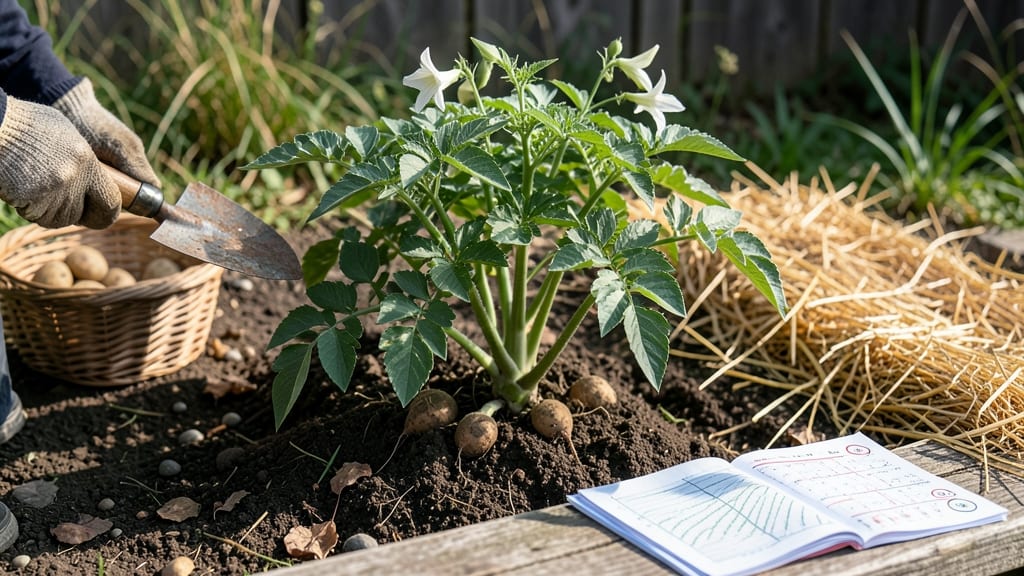
Planting your potatoes at the right time in Zone 6 could mean the difference between a garden full of 🥔 and a season of disappointment. Too early, and frost will stunt those tender sprouts; too late, and your harvest might never reach its full potential.
I’ve learned the hard way that timing isn’t just about dates—it’s about soil temperature, frost risks, and even the moon’s phase (yes, really!). In Zone 6, where winters linger and springs can be unpredictable, knowing the exact window to plant gives you the edge for a bountiful harvest.
Most gardeners in your area aim to plant 2-4 weeks before the last frost, but there’s more to it than that.
We’ll break down the best weeks to get those spuds in the ground, how to prep your soil for success, and which varieties thrive in your climate—so you can enjoy homegrown potatoes by summer.
Ready to dig in? Let’s make sure your potato patch is on track for a harvest that’ll put store-bought spuds to shame.

Zone 6 potato planting timeline: exact weeks before last frost for best results
Getting your potato planting right in Zone 6 means timing it perfectly—typically 2-4 weeks before your last expected frost date. In most Zone 6 regions, this falls between mid-April and early May, but exact timing depends on soil temperature and variety.
Early varieties like Yukon Gold can handle cooler soils, while late varieties like Russet need warmer conditions.
Soil temperature is your best guide: aim for 45°F (7°C) or warmer. Cold soil slows germination, leading to weak plants. Use a soil thermometer to check—if it’s below 45°F, wait a few more weeks.
In Zone 6, last frost dates can vary by 2-3 weeks depending on your exact location, so always check your local USDA frost map for precision.
For maximum yield, consider three planting windows: early (cold-tolerant varieties), mid-season (most varieties), and late (heat-tolerant varieties). This staggered approach ensures a continuous harvest from summer to early fall. Early plantings (like Red Pontiac) can even produce a small harvest before the main crop.
Here’s your Zone 6 potato planting timeline broken down by stage, including soil prep and frost protection tips:
| Planting Stage | Action | Weeks Before Last Frost | Soil Temp | Notes |
|---|---|---|---|---|
| Early Varieties | Plant seeds | 4-6 weeks | 40-45°F (4-7°C) | Use cold-hardy varieties like Red Norland |
| Mid-Season Varieties | Plant seeds | 2-4 weeks | 45-50°F (7-10°C) | Best for high yield (e.g., Kennebec) |
| Late Varieties | Plant seeds | 0-2 weeks | 50-55°F (10-13°C) | Heat-tolerant (e.g., Russet) |
| Frost Protection | Cover seedlings | Up to last frost | N/A | Use frost cloth for early plantings |
| Harvest Window | Dig potatoes | 10-14 weeks after planting | N/A | Early varieties first, followed by late |
If you’re unsure about your last frost date, use the 50% probability date from the USDA map—this gives you a 90% chance of avoiding frost. For example, in Chicago (Zone 5b/6a), the last frost is typically May 15, so plant mid-April for early varieties.
In Raleigh (Zone 7b/8a), you can plant as late as March 15.
Pro tip: Chitting your seed potatoes (sprouting them indoors before planting) gives you a 2-week head start. Place seed potatoes in a cool, bright spot 4-6 weeks before planting to encourage strong sprouts. This is especially useful for late plantings in Zone 6, where soil warms slowly.
For maximum yield, space your plantings 2-3 weeks apart. This ensures a staggered harvest and reduces competition for nutrients. Early plantings (like early April) will produce new potatoes by June, while late plantings (like mid-May) will yield full-sized potatoes in August.
One common mistake in Zone 6 is planting too early when the soil is still cold. If your soil is below 45°F, germination will be slow, and seedlings may
How to adjust potato planting for Zone 6’s unpredictable spring weather
Zone 6’s unpredictable spring weather can turn your potato planting plans upside down. One week you’re dreaming of harvests, the next you’re scrambling to protect tender sprouts from late frosts. The key is flexibility—knowing how to adapt your planting schedule and protect your crop when Mother Nature throws curveballs.
Cold soil temperatures below 45°F (7°C) can stall germination, while unexpected frost after planting can kill young plants. Even if you’ve chitted your seed potatoes, variable temperatures can delay growth. The good news? With the right strategies, you can still grow a reliable potato harvest despite Zone 6’s quirks.
⚠️ CALLOUT WARNING Don’t plant too early! Many gardeners make the mistake of planting potatoes as soon as the ground is workable—often in late March or early April—only to face late frosts that can kill emerging shoots. Wait until soil reaches 45°F (7°C) and frost risk has passed for your area.
Use a soil thermometer to check—planting in cold soil delays growth and increases disease risk. If you’re unsure, opt for cold-tolerant varieties like Yukon Gold or Red Pontiac, which handle cooler soils better than delicate fingerling potatoes.
One of my favorite tricks for warming cold soil is using black plastic mulch or straw bales. Lay them over garden beds 2-3 weeks before planting to raise soil temperatures by 5-10°F (3-6°C).
This gives you a 2-week head start on the season and helps prevent soil-borne diseases like blight, which thrive in damp, cold conditions.
For frost protection, I keep frost blankets or old bedsheets handy. If a late frost warning hits, drape them over plants at night and remove them by midday.
For extra security, use cloches or even plastic milk jugs with the bottoms cut off—just make sure to ventilate them during the day to prevent heat buildup.
Another smart move? Plant in succession. Instead of putting all your seed potatoes in the ground at once, stagger plantings every 2 weeks until mid-June.
This way, if early plantings get nipped by frost, later ones will still thrive. It also extends your harvest window from summer into early fall.
Finally, choose cold-tolerant varieties that handle Zone 6’s mood swings. Early maturing potatoes like ‘Kennebec’ or ‘LaSoda’ can tolerate cooler soils and still produce a harvest in 70-90 days. If you’re feeling adventurous, try fall planting in late summer—just harvest before the first frost hits!