
Companion Plants
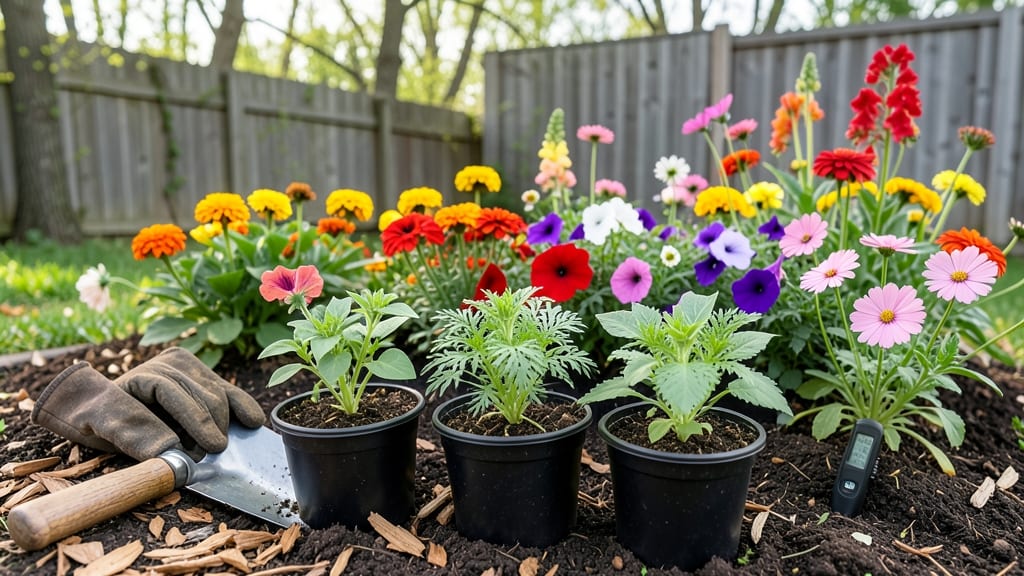
To plant annuals in Zone 7 without risking frost damage or missing peak growth, timing is everything—and the last frost date is your secret weapon.
Most gardeners here wait until after April 15, but microclimates can shift that window by weeks, meaning a late frost in the mountains might still threaten your 🌸 marigolds planted too early.
Cool-season annuals like lettuce and pansies can handle light frosts, so you can start them 4 weeks before that average last frost date. But heat-lovers like tomatoes and basil? Plant them only after soil warms to 50°F—usually mid-May—otherwise, they’ll wilt faster than a snowball in July.
Here’s the game-changer: staggered planting. By spacing out your seeds or transplants every 2 weeks, you’ll enjoy blooms or harvests for months, not just weeks. I’ll break down exactly when to start indoors, when to direct-sow, and how to adjust for Zone 7’s unpredictable spring weather.
Ready to avoid the most common mistakes? Let’s dive into the precise schedule that’ll turn your Zone 7 garden into a year-round showstopper—no guesswork required.

Zone 7 last frost dates by region: exact weeks to plant annuals for success
Zone 7 spans diverse climates from the coastal South to the Appalachian foothills, meaning last frost dates vary by 10 days or more between subregions. In Zone 7a (colder), frost lingers until April 20-25, while Zone 7c (warmer) sees final frosts by April 5-10.
These differences matter—planting marigolds or sweet potatoes too early in 7a risks frost damage, while waiting too late in 7c shortens the growing season.
For cool-season annuals like lettuce and pansies, I start seeds indoors 6-8 weeks before the average last frost date.
In Zone 7b, that’s early March, while in Zone 7c, I begin by late February. Heat-loving annuals such as okra and black-eyed Susans wait until May 15-30, after soil temperatures exceed 65°F (18°C).
Here’s how to align your planting with your specific Zone 7 subregion for maximum success:
In Zone 7a, I prioritize early maturing varieties like ‘Early Wonder’ beans (50 days to harvest) to avoid summer heat stress. Meanwhile, Zone 7c gardeners can push the envelope with fall plantings of kale or radishes until September 15, often escaping first frost entirely.
Always check your local almanac—urban areas like Atlanta may frost later than rural Chattanooga.
For warm-season annuals, soil temperature matters more than air temperature. I use a soil thermometer to confirm 60°F (15°C) for tomatoes and 70°F (21°C) for peppers before transplanting.
In Zone 7b, this typically aligns with May 1-15, but microclimates near lakes or valleys may delay planting by 1-2 weeks.
Heat-tolerant annuals like marigolds and sweet potatoes thrive in Zone 7’s hot summers (often exceeding 90°F/32°C). I plant these after Memorial Day to avoid early-season pests. Drought-resistant varieties such as ‘Heatmaster’ tomatoes or ‘Tropic Sun’ zinnias reduce stress during July-August dry spells.
Fall is your second chance for annual blooms in Zone 7. I direct-sow cosmos and sunflowers in early September for October-November color. For vegetables, bush beans and turnips handle light frosts, while spinach bolts in summer heat—perfect for September plantings.
Track your frost-free days (typically 180-220 days in Zone 7) to plan succession plantings. For example, sow basil every 2 weeks
How to adjust planting times for Zone 7 microclimates and frost risks
Zone 7’s mild winters and hot summers create unique challenges for annuals. While the average last frost date hovers around April 15, microclimates—like south-facing slopes or low-lying areas—can shift this by 2-3 weeks.
To protect your plants, I’ve learned to stagger plantings and use season-extending tools like row covers and cold frames.
For cool-season annuals like lettuce or pansies, I start seeds 6-8 weeks before the last frost. But in Zone 7, late frosts aren’t uncommon, so I always have backups ready.
Heat-loving plants like marigolds or okra wait until after May 15, when soil temps stay above 60°F (15°C) consistently.
- Plant slope areas 1-2 weeks earlier—they warm faster.
- Use row covers for 2-3 weeks after last frost to protect tender seedlings.
- For late frosts, choose heat-tolerant varieties like cosmos or zinnias.
- Hardening off seedlings 7-10 days before transplanting prevents shock.
Monitoring local weather patterns is key. I check the National Weather Service for 10-day forecasts and adjust my schedule accordingly. If a late frost warning pops up, I cover vulnerable plants with frost cloth or move potted annuals to a sheltered spot.
For heatwaves, I mulch heavily to retain moisture and plant shade-tolerant varieties like impatiens in hotter microclimates.
Another trick? Staggered planting. Instead of sowing all my basil seeds at once, I plant half in early May and the other half in late May. This ensures a continuous harvest and spreads out the risk of frost damage.
I also keep a planting journal to track which varieties thrive in my specific microclimate each year.
For fall plantings, I aim for mid-August to give cool-season crops like kale or spinach time to mature before the first frost. I use black plastic mulch to warm soil faster in spring and straw mulch in fall to insulate roots.
These small adjustments make a huge difference in survival rates.
Finally, don’t forget to harden off seedlings properly. Gradually expose them to wind and sun over 7-10 days before transplanting. This toughens their stems and reduces transplant shock, giving them a better chance to thrive in your garden’s unique conditions.
With these strategies, even Zone 7’s unpredictable weather won’t stand in your way of a stunning annual display. 🌿