
Plants
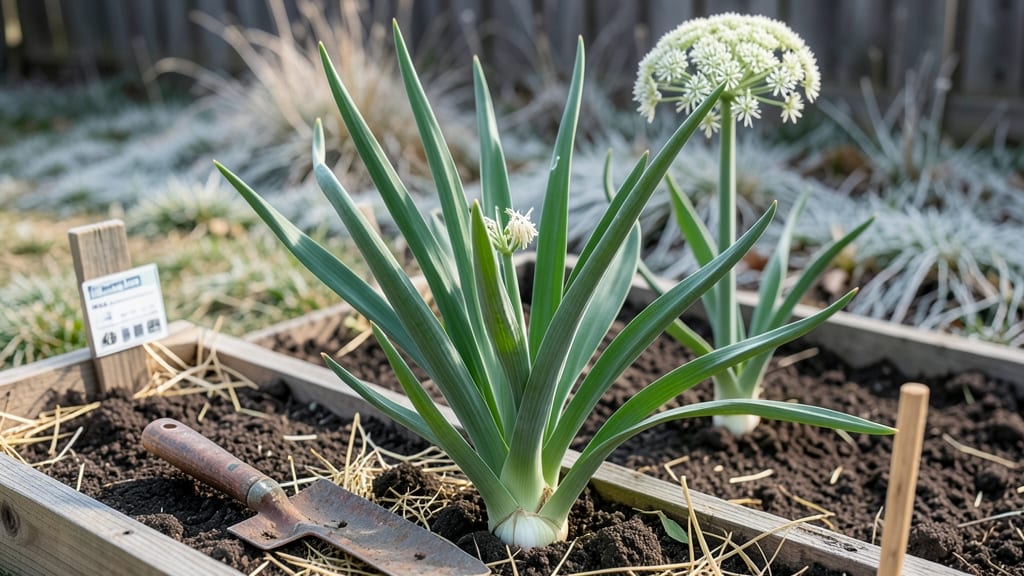
Planting garlic in North Dakota isn't just about timing—it's about outsmarting the 4a winters that can turn your crop into a science experiment gone wrong. The key? Getting those cloves in the ground between mid-September and early October when the soil cools but hasn't frozen solid.
Why does this matter? Because garlic planted too early may rot, while planting too late risks bulbs freezing before they mature. I've learned the hard way that North Dakota's short growing season demands precision—especially when you're dealing with hardneck varieties that need winter chill to form those prized bulbs.
You don't need a green thumb to succeed here. With the right preparation—like loose, well-draining soil and protective mulch—you can grow garlic that thrives despite -30°F temperatures. Let me show you exactly how to time it right, from variety selection to frost-proofing your beds.
Whether you're a first-time gardener or a seasoned grower, these proven strategies will help you harvest plump, flavorful 🧄 bulbs come summer. Ready to turn your backyard into a garlic powerhouse? Let's get started.
Best planting timeline for North Dakota garlic: hardneck vs softneck breakdown
North Dakota’s USDA Zone 3-4 climate means garlic must be planted early enough to establish roots before winter sets in. Hardneck varieties like 'German White' thrive in cold winters, while softneck varieties like 'Silverskin' struggle with extreme cold.
Timing is everything—plant too early, and your garlic may rot; too late, and it won’t mature before frost.
For Fargo, Bismarck, and Minot, aim to plant garlic 4-6 weeks before the ground freezes, typically between mid-September and early October. This window ensures roots establish before winter dormancy. Soil temperatures should be between 40°F and 60°F for optimal germination.
In Fargo, where winters are slightly milder, you can push planting to early October for hardneck varieties, but softnecks should be planted by mid-October at the latest. Bismarck’s colder microclimate demands earlier planting—mid-September for hardnecks and late September for softnecks.
For Minot, stick to hardneck garlic only, planting by September 15. Softnecks rarely survive the extreme cold, so avoid them unless you have a heated greenhouse. Soil drainage is critical—poor drainage leads to rot, especially in heavy clay soils common in ND.
After planting, cover garlic with 4–6 inches of straw mulch to insulate bulbs during winter. In warmer microclimates (like near Fargo’s Red River), reduce mulch to 3 inches to prevent overheating. Spring emergence typically occurs in late April to early May, when soil temps rise above 45°F.
If you miss the fall window, spring planting is possible but risky—garlic needs 120 frost-free days to mature. Plant softneck varieties in early May for a summer harvest, but yields will be smaller. Hardnecks won’t have time to mature if planted in spring.
Monitor soil moisture—garlic needs 1 inch of water per week but hates soggy soil. In drought-prone areas like western ND, use drip irrigation to avoid wetting leaves. Harvest garlic in late July to early August when lower leaves brown and tops flop.
For regional adjustments, check your local USDA Plant Hardiness Zone map. Areas near Devils Lake may need to plant 2 weeks earlier due to colder microclimates. Test soil pH—garlic prefers 6.0–7.0—and amend with lime if needed.
Pro tip: Break apart garlic bulbs into individual cloves and plant them 2 inches deep, 4–6 inches apart, with the pointy end up. This spacing prevents fungal diseases and ensures even growth. Label your rows—garlic looks identical until harvest!
How to prepare garlic for North Dakota’s freeze: soil, mulch, and cold-hardiness tips
North Dakota’s USDA Zone 4a climate means your garlic must survive -30°F winters. The key is selecting hardneck varieties like 'German White' or 'Music', which thrive in cold conditions. These varieties naturally vernalize (adapt to cold) and produce hardnecks with flavorful cloves perfect for ND’s short growing season.
Start by testing your soil pH—garlic prefers 6.0 to 7.0. Amend with compost or aged manure to improve drainage, as soggy soil leads to rot. Work in a 2-3 inch layer of compost 2-3 weeks before planting to give microbes time to break it down.
⚠️ WARNING: Planting Too Late or Early in ND North Dakota’s last frost typically hits October 15, but planting garlic 4-6 weeks before ensures roots establish before freeze. Planting after early October risks shallow root growth, while planting before mid-September may cause premature sprouting.
For Fargo/Bismarck, aim for September 15–October 1—adjust 1 week later for Minot’s colder microclimate.
Choose straw mulch over leaves for winter protection—straw insulates better and resists compacted snow. Apply a 4-6 inch layer after planting, leaving 1 inch of soil exposed to prevent rot. Remove mulch in early spring (March) to avoid suffocating sprouts.
For extra cold protection, plant garlic in raised beds or black plastic mulch to absorb sunlight and warm soil. Avoid low-lying areas where cold air pools—garlic needs well-draining soil to survive freeze-thaw cycles without waterlogging.
After mulching, water deeply once to settle soil around cloves. Avoid overwatering in fall—garlic should enter dormancy with moderate moisture. In spring, resume watering when shoots emerge (April–May) to support bulb development.
Monitor for heaving (bulbs pushing above soil) during freeze-thaw cycles. Gently rebury exposed bulbs with soil or mulch to prevent sunburn. With these steps, your garlic will overwinter successfully and yield bold, hardneck bulbs by late July.