
Plants
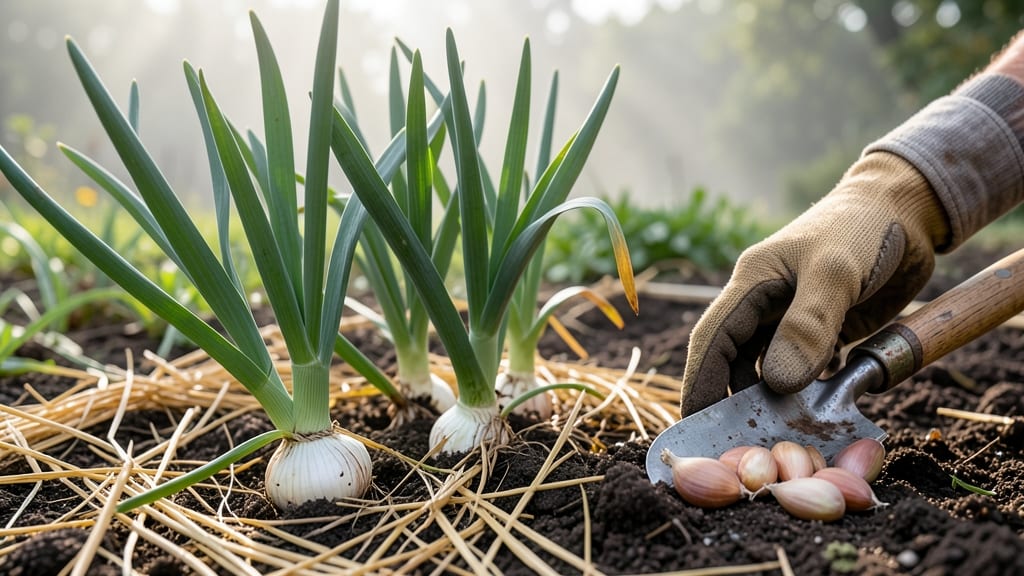
Planting garlic in Tennessee isn’t just a gardening task—it’s the secret weapon for a summer harvest that’ll make your neighbors jealous. The key? Getting those cloves in the ground at the right time, when the soil is cool but not frozen, and the days are short.
If you’ve ever wondered why gardeners here swear by fall planting instead of spring, it’s because this timing tricks the 🧄 into forming bigger, stronger bulbs before winter’s chill sets in.
For Tennessee gardeners in zones 6a-7b, the window is tight but sweet—typically between October and early November, giving the plants time to root before the ground freezes.
But here’s the catch: higher elevations in the mountains might need to plant a little earlier, while the warmer lowlands can stretch it into December. The goal? Let the garlic experience 60 days of cold dormancy, which is non-negotiable for hardneck varieties.
Why does timing matter so much? Because garlic doesn’t play by spring rules—it needs that cold snap to develop properly. Skip the fall window, and you might end up with small, weak bulbs or even no harvest at all.
I’ll show you exactly how to nail those planting dates, prep your soil like a pro, and avoid the mistakes that turn promising cloves into dinner for squirrels.
Ready to grow garlic that’s the talk of the Tennessee farmers’ market? Let’s dive into the perfect planting schedule, soil secrets, and frost-smart strategies that’ll have you harvesting plump, flavorful bulbs by late June. Your future garlic bread just got a whole lot brighter.
Optimal fall planting dates for garlic in Tennessee (by region)
Tennessee’s diverse climate—spanning USDA zones 6a to 7b—means garlic planting dates vary dramatically from the mountains of the East to the valleys of the West. Unlike spring planting, fall is ideal because garlic needs 60-90 days of cold dormancy to form bulbs.
Plant too early, and cloves rot; too late, and they won’t mature. Let’s break down the perfect windows for each region to maximize your hardneck garlic harvest.
Hardneck garlic thrives in Tennessee’s cooler months, but timing is everything. The 4-6 week window before ground freeze is critical—this ensures roots establish before winter sets in.
For example, in East Tennessee (zone 6a), where frosts arrive earlier, you’ll plant sooner than in West Tennessee (zone 7b), where mild winters delay frost. Miss this window, and you risk stunted bulbs or complete failure.
Here’s how to align your planting with Tennessee’s regional frost patterns:
| Region | USDA Zone | Avg. First Frost | Ideal Planting Window | Last Chance |
|---|---|---|---|---|
| East Tennessee | 6a (-5°F to -10°F) | Mid-October | October 1–15 | October 31 |
| Middle Tennessee | 7a (0°F to 5°F) | Late October | October 15–30 | November 10 |
| West Tennessee | 7b (5°F to 10°F) | Early November | November 1–15 | November 25 |
| High Elevations (e.g., Great Smoky Mtns.) | 5b (-15°F to -20°F) | Late September | September 20–October 5 | October 15 |
In East Tennessee, where USDA zone 6a dominates, aim for early October planting. The Great Smoky Mountains region (even colder) needs garlic in the ground by mid-October at the latest.
Use a soil thermometer—roots need to establish before temps drop below 40°F. If you’re in Chattanooga or Nashville (Middle Tennessee), wait until mid-October to avoid premature freezing.
For West Tennessee (Memphis, Jackson), where winters are milder (zone 7b), November planting works best. The key is ensuring 60 days of cold dormancy before spring growth resumes.
Planting too late risks bulbs sprouting before winter’s chill sets in, leading to weak harvests. Check your local National Weather Service frost predictions to fine-tune your schedule.
Pro tip: Hardneck varieties (like ‘Music’ or ‘Chesnok Red’) are Tennessee’s best choice—they thrive in cold winters and produce scape shoots (edible stems) in spring. Softneck varieties (like ‘Silverskin’) can handle slightly later planting but are less cold-hardy.
Always plant individual cloves, pointed end up, 2 inches deep in loose, well-draining soil.
If you’re unsure about your region’s frost date, err on the earlier side. Garlic planted too late can still grow but may produce smaller, lower-quality bulbs.
For example, a Nashville gardener who plants on November 15 might see bulbs that are 30% smaller than those planted in early October. Use organic mulch (straw or leaves) after planting to insulate soil and protect cloves from freeze-thaw cycles.
One common mistake? Planting garlic in September for a “head start.” This backfires because cloves rot in warm soil before winter. Instead, focus on soil temperature: aim for 50–60°F at planting depth.
Use a moisture meter to ensure soil isn’t soggy—garlic hates waterlogged conditions. If your soil stays too warm, wait a few weeks.
Finally, mark your calendar for late June or July harvest—this is when bulbs mature in Tennessee. But the secret to success starts now: plant at the right time, and your garlic will reward you with plump, flavorful bulbs that outshine store-bought varieties. Happy planting! 🧄
How to time your garlic planting for maximum yield in Tennessee’s climate
Timing your garlic planting is everything in Tennessee’s USDA zones 6a-7b. Unlike spring-planted crops, hardneck garlic thrives when exposed to cold winter temperatures—a process called vernalization—which kickstarts bulb formation.
Plant too early, and your cloves may rot; too late, and they won’t develop properly before summer heat. The key lies in soil temperature and frost predictions, not just calendar dates.
Most Tennessee gardeners aim to plant garlic between mid-October and early November, giving bulbs time to establish roots before the ground freezes. However, this window shifts slightly depending on your region—eastern Tennessee’s cooler microclimates may need earlier planting, while western Tennessee’s milder winters can accommodate later dates.
Always check your local first frost date and plant 4-6 weeks beforehand.
⚠️ CRITICAL MISTAKE TO AVOID ⚠️
To maximize yields, focus on soil preparation first. Garlic prefers well-draining, slightly acidic soil (pH 6.0-7.0). Work in 2-3 inches of compost or aged manure before planting, and avoid fresh nitrogen-rich fertilizers, which can cause foliar growth at the expense of bulb size.
A light application of 10-10-10 fertilizer at planting time is sufficient for most Tennessee soils.
Another common pitfall is overcrowding cloves. Space them 4-6 inches apart in rows 12 inches apart to allow for proper air circulation and bulb expansion. If you’re planting in containers, use pots at least 8 inches deep and group 3-5 cloves per container.
Mulch heavily with straw or leaves (4-6 inches) after planting to insulate bulbs during winter and suppress weeds.
Monitor your garlic’s progress in early spring—look for 2-inch green shoots by March. This confirms successful root establishment. If shoots appear too early (before winter dormancy), add a thin layer of mulch to protect them from freeze-thaw cycles, which can damage tender new growth.
Water sparingly during dormancy (just enough to keep soil from drying out completely), then increase to 1 inch per week once active growth begins.
Finally, resist the urge to harvest too early! Tennessee-grown garlic typically matures between late June and July, when lower leaves turn brown but upper leaves remain green.
Pull bulbs when they feel firm and papery—if you wait until leaves fully yellow, you risk bolting (flowering), which diverts energy away from bulb development. Cure harvested garlic in a shady, dry, well-ventilated area for 2-3 weeks before storing.