
Plants
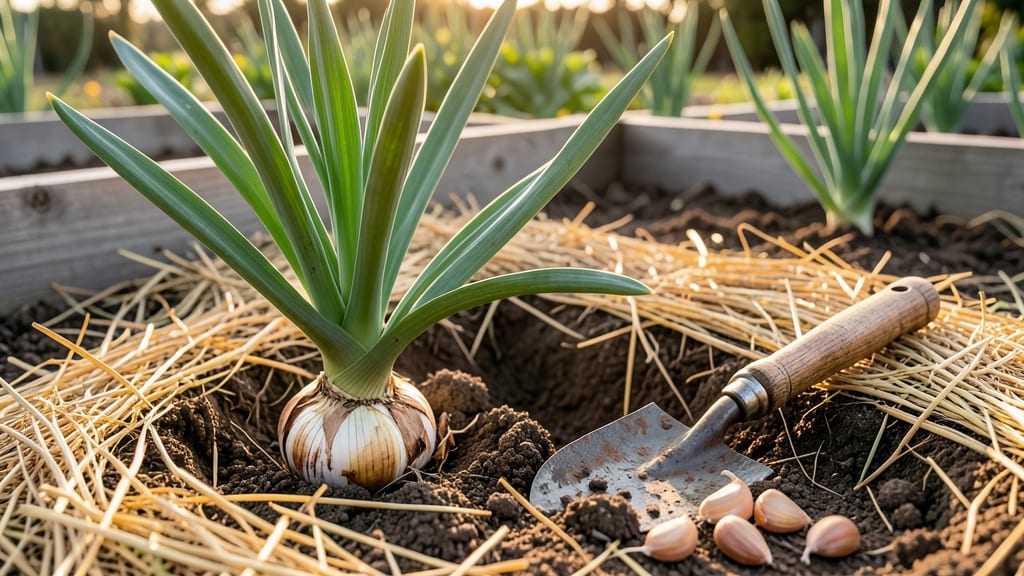
Timing your 🧄 garlic planting in New York isn’t just about luck—it’s the difference between a bumper crop and a total flop.
If you plant too early, frost will zap your cloves before they even sprout; too late, and you’ll miss the sweet spot for hardneck varieties to establish roots before winter sets in.
For most of New York—where zones 5b-7a rule the game—fall planting between October and November is your golden ticket. But here’s the catch: central NY’s 5b climate demands earlier action than Long Island’s 7a, where the ground stays workable a little longer.
Get this wrong, and your garlic might bolt or rot before harvest season.
Spring planting is an option too, but it’s trickier—you’re racing against time to get cloves in the ground by March or April before the soil warms up. The key? Understanding your microclimate, whether you’re in the city’s heat pockets or upstate’s chillier zones.
I’ll break down exactly how to nail the timing for your corner of the Empire State.
Ready to grow garlic that’s plump, flavorful, and ready by summer? Let’s dive into the exact months, soil prep secrets, and regional tweaks that’ll make your harvest the envy of every backyard gardener in New York.
Best months to plant garlic in New York for maximum yield
New York gardeners know that hardneck garlic thrives when planted in the right window—typically October to November—to take advantage of the state's cold winters. This timing ensures bulbs vernalize properly, producing larger cloves the following summer.
For USDA zones 5b-7a, which cover most of New York, fall planting is ideal, but regional adjustments matter.
Upstate areas like Syracuse (Zone 5b) and Buffalo (Zone 6a) can plant as early as late September, while New York City (Zone 7a) and Long Island should aim for mid-October to avoid early frosts.
The key is planting 4-6 weeks before the ground freezes, usually by October 15th in most regions.
| Region | USDA Zone | Best Planting Window | Soil Temp Goal | Key Notes |
|---|---|---|---|---|
| Upstate (Syracuse, Ithaca) | 5b | Late Sept - Early Oct | 40-50°F | Colder winters; plant earlier |
| Western NY (Buffalo, Rochester) | 6a | Mid-October | 45-50°F | Moderate climate; avoid late frosts |
| NYC & Long Island | 7a | Mid-October - Early Nov | 50-55°F | Warmer microclimates; extend window |
| Adirondacks (Lake Placid) | 4b | Early Sept - Mid-Oct | 35-45°F | Plant earliest; shorter growing season |
For hardneck varieties, like German Red or Music, fall planting is non-negotiable. These varieties need cold stratification to form bulbs, and planting too late (after November 1st) risks poor bulb development.
If you miss the fall window, spring planting (March-April) is possible but yields smaller bulbs—ideal for green garlic rather than mature cloves.
Soil temperature is your best guide. Use a soil thermometer to confirm the ground has cooled to 40-50°F. In Zone 5b, this typically happens by mid-October, while Zone 7a areas may wait until late October.
Planting too early in warm soil can cause cloves to sprout prematurely, weakening roots before winter.
Prepare your soil by amending with compost and a balanced fertilizer (5-10-10) to ensure nutrients are available when growth resumes in spring. Well-draining soil is critical—garlic hates soggy conditions, which can lead to rot. Raised beds work well in areas with heavy clay, like parts of Central New York.
If you’re in Zone 6a or warmer, consider cover crops like clover to protect soil and improve structure over winter. Mulch with straw after planting to insulate cloves and prevent heaving during freeze-thaw cycles. This is especially important in NYC’s urban gardens, where temperature fluctuations are more extreme.
For gardeners in coastal areas, like Long Island, account for milder winters. You can push planting into early November, but avoid planting after November 15th—the risk of winter rains softening the soil increases, making it harder for cloves to establish.
Spring planting is an option if you missed fall, but it’s best for green garlic harvests. Plant in March or early April, about 2 weeks before your last frost date.
In Upstate New York, this is typically April 1st, while NYC gardeners can wait until mid-April.
Remember: Hardneck garlic planted in fall will produce larger bulbs with more cloves than spring-planted varieties. The trade-off? Fall planting requires advance planning and attention to soil conditions. For maximum yield, stick to the October-November window—your future harvest will thank you!
How New York’s microclimates affect garlic planting timing
New York’s diverse geography creates distinct garlic-growing zones, where urban heat islands in NYC can delay frost by weeks compared to upstate regions. These microclimates mean your planting window might shift from late October in the Adirondacks to mid-November in Brooklyn.
Understanding these variations helps you align your schedule with local frost dates for optimal bulb development.
Coastal areas like Long Island experience warmer winters and later first frosts, often around November 1, while inland zones in USDA Zone 5b (e.g., Albany) may see frost as early as October 15.
This 3-week difference directly impacts when you should plant hardneck varieties, which need 4-6 weeks of cold exposure before dormancy.
Inland areas like the Finger Lakes region benefit from cooler nighttime temperatures, which can extend your planting window slightly. However, gardeners should monitor soil temperatures—ideal planting occurs when soil is 50-60°F.
In Zone 5b, this typically aligns with early October, while NYC’s warmer soils may stay plantable until mid-November.
For coastal gardeners, consider hardneck varieties like 'Silverskin', which tolerate mild winters better than 'Rocky Mountain' hardnecks. Upstate growers should opt for early-maturing types like 'German White' to compensate for shorter growing seasons.
Always adjust your planting depth—2 inches in sandy soils, 3 inches in clay—to account for regional soil differences.
Spring planting is possible in Zone 7a+ areas like NYC, but yields are 50% smaller than fall-planted garlic. If attempting spring, use green garlic varieties and plant by March 15 to avoid bolting. For most of New York, fall planting remains the gold standard for maximizing bulb size.
Use local cooperative extension reports to fine-tune your schedule—Cornell Cooperative Extension offers free frost date maps for precise planning. Even a 10-day shift in planting can mean the difference between plump bulbs and underdeveloped cloves.