
Planting
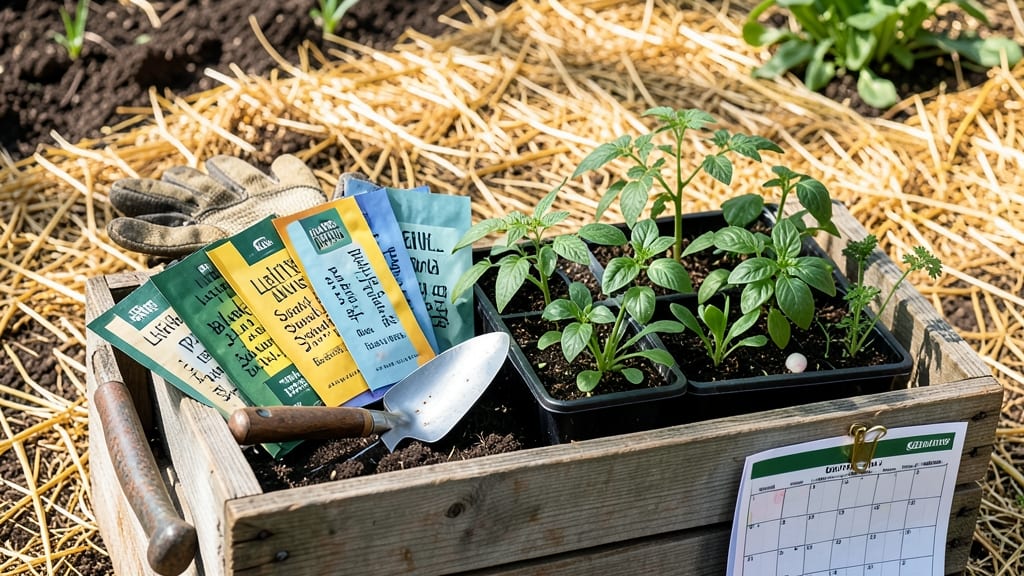
Timing your garden planting in West Virginia (WV) can feel like a high-stakes guessing game—plant too early, and frost zaps your seedlings; too late, and you miss peak harvests. But with the right schedule, you can turn that guesswork into a reliable plan for bountiful yields all season.
The key is knowing your county’s frost dates—because what works in Charleston’s Zone 7a might fail in Morgantown’s Zone 5b**.
I’ll break down the perfect planting windows for your region, from cool-season greens to heat-loving tomatoes, so you can start seeds and transplants at the ideal time. Plus, I’ll share pro tips to stretch your growing season without risking frost damage.
Whether you’re a first-time gardener or a seasoned green thumb, this guide ensures your 🌱 General Garden Plants thrive—no more wasted effort or missed opportunities. Let’s get started!
WV county frost dates: critical planting windows by region
Understanding WV frost dates is your secret weapon for a thriving garden. West Virginia spans USDA Zones 5b to 7a, creating microclimates where Charleston's last frost can arrive weeks earlier than Morgantown's first frost.
These variations mean your cool-season crops like kale and peas might thrive in one county while struggling in another. Let's break down the critical windows so you can plant with confidence.
Your planting success starts with knowing when to start seeds indoors versus when to direct-sow outdoors. For example, warm-season crops like tomatoes need soil temperatures above 55°F, which typically happens 2-3 weeks after your last frost date.
Meanwhile, cool-season crops like broccoli can handle light frosts and should go in 4-6 weeks before your average last frost. Let's explore these timelines county by county.
Note: These dates are averages—always monitor your local WVU Extension forecasts for real-time adjustments. Mountain counties (like Pocahontas) often have 2-3 weeks later last frosts than valley regions (like Jefferson). Elevation plays a huge role: every 1,000 feet up can delay spring by 5-7 days.
Let's use Charleston (Jefferson County) as our benchmark. With 190 frost-free days, you can grow two full harvests of warm-season crops like tomatoes and peppers if you succession plant in early June. Meanwhile, in Pocahontas County, your shorter 120-day window means you'll focus on fast-maturing varieties
Best crops to plant in WV by season: frost-resistant picks for each county
West Virginia’s microclimates create unique gardening opportunities—whether you’re in high-elevation counties like Pocahontas or southern regions like Putnam. The key? Choosing frost-resistant crops that thrive in your specific zone (USDA 5b-7a) and planting at the right time.
Let’s break down the best picks for each season, tailored to WV’s short but productive growing season.
In northern WV (e.g., Monongalia, Preston), where frost lingers later, focus on cool-season crops like kale and peas in early spring. Meanwhile, southern counties (e.g., Kanawha, Cabell) can squeeze in heat-lovers like tomatoes and peppers until late fall. The secret? Succession planting and frost-tolerant varieties to maximize yields.
🌱 Numbered Highlights: Best Crops by Season in WV
- 🌿 Spring (March-April): Spinach, lettuce, radishes, onions, peas (plant 4-6 weeks before last frost).
- ☀️ Summer (May-July): Tomatoes, bell peppers, cucumbers, beans (plant 2-3 weeks after last frost).
- 🍂 Fall (August-September): Kale, carrots, broccoli, garlic (sow 6-8 weeks before first frost).
- ❄️ Winter (October-November): Hardy greens (e.g., collards, swiss chard) and overwintering onions (use row covers for protection).
For high-altitude gardens (e.g., Tucker County), prioritize cold-hardy varieties like potatoes and cabbage, which tolerate lower temperatures better than southern favorites. In lower elevations (e.g., Jackson County), extend the season with heat-tolerant crops like okra or sweet potatoes, which thrive in WV’s humid summers.
Herbs like thyme and oregano are perennial workhorses in WV, surviving winters with minimal care. For flowers, black-eyed Susans and coneflowers add color without fuss, while calendulas deter pests naturally. Always amend soil with compost before planting—WV’s clay-heavy soils benefit from organic matter for better drainage.
Pro tip: Use WVU Extension’s frost date maps to fine-tune your schedule. For example, Charleston’s last frost averages April 10, while Morgantown’s is closer to April 20. Adjust planting dates accordingly to avoid frost damage and ensure peak harvests.
With these seasonal picks, you’ll turn WV’s challenging climate into a gardener’s advantage—hardy crops that thrive when others fail. Happy planting! 🌱