
Plants
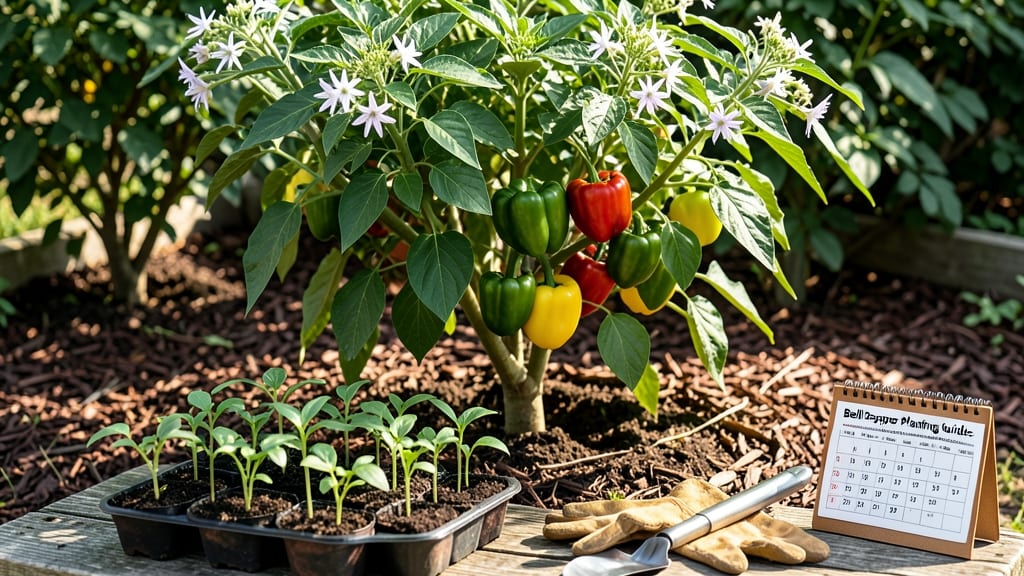
Planting bell peppers 🌶️ in Oregon isn’t just about checking a calendar—it’s about playing the timing game right between frost risks and soil warmth.
Get it wrong, and your plants might bolt before producing a single pepper, or worse, get zapped by late spring freezes that sneak in even in 8a-9a zones.
Most gardeners in Oregon swear by starting seeds indoors 8–10 weeks before the last frost (usually around April 15 for inland areas, later near the coast). But here’s the catch: your soil needs to hit 60°F+ before transplanting—or those peppers will sulk and struggle to thrive.
Whether you’re in Portland’s mild coastal climate or the hotter Willamette Valley, I’ll break down the exact frost-free windows and soil temp rules that separate a bumper crop from a bust. Plus, I’ll share pro tips for container gardening if your season feels too short.
Ready to turn your Oregon garden into a pepper powerhouse? Let’s dive into the best planting strategies that actually work—no guesswork, just results.
Oregon’s bell pepper planting timeline by Zone: frost dates & soil temperature rules
Timing your bell pepper planting in Oregon isn’t just about checking a calendar—it’s about understanding your USDA zone and soil conditions. Coastal areas like Zone 8a have milder winters, while inland Zone 9a regions can hit 90°F+ by summer.
The key? Plant when soil warms to 60°F+ and at least 6-8 weeks before your first autumn frost.
Oregon’s last frost dates vary wildly: coastal areas like Astoria might see frost as late as April 15, while Bend in Zone 7a can have frost until May 15. Inland valleys like Hood River often warm up faster, giving you an earlier window.
Always aim to transplant pepper seedlings after the last frost but before July 1 to avoid heat stress.
Here’s the critical rule: Soil temperature matters more than air temperature. Bell peppers thrive when soil hits 60°F+—cooler soils stunt growth and delay fruiting. Use a soil thermometer to confirm warmth before planting.
In Zone 6, this might mean waiting until late May, while Zone 9 gardeners can start as early as mid-April.
🌱
| USDA Zone | Last Frost Date | First Frost Date | Soil Temp (60°F+) | Transplant Window | Notes |
|---|---|---|---|---|---|
| Zone 6 (Eastern OR) | May 15 | October 1 | Late May | June 1 - July 15 | Use row covers for early starts |
| Zone 7 (Central OR) | April 30 | September 30 | Early May | May 15 - June 30 | Ideal for succession planting |
| Zone 8a (Coastal OR) | April 15 | October 15 | Mid-April | April 30 - June 15 | Longer growing season |
| Zone 8b (Willamette Valley) | April 1 | November 1 | Late March | April 15 - July 1 | Heatwave risks in July |
| Zone 9a (Southern OR) | March 15 | November 15 | Early March | March 15 - August 1 | Early varieties recommended |
If you’re in Zone 6 or 7, consider starting pepper seeds indoors 8–10 weeks before your last frost. Use grow lights to simulate long days, and harden off seedlings for 1-2 weeks before transplanting.
In Zone 8-9, you can direct-sow seeds after soil warms, but transplanting 6-week-old seedlings still gives you a head start.
Heatwaves complicate timing, especially in inland Oregon. If temperatures exceed 90°F before peppers set fruit, yields drop sharply. Shade cloth (30-50%) can help, but succession planting in late June often produces better results. Coastal gardeners, meanwhile, can push planting into early July for a fall harvest before frost.
Pro tip: Test your soil in early spring—Oregon’s acidic soils (pH 5.0–6.5) often need lime or compost to reach the ideal 6.0–7.0 pH for peppers. Amend beds 4-6 weeks before planting to avoid nutrient lockout.
For container growers, 5-gallon pots work well, but place them in full sun and use heat-resistant fabric pots to prevent root stress. In Zone 6, move containers indoors or under a hoop house by October 1 to extend the season.
🌿
Remember: Bell peppers need 6-8 hours of sun daily and consistent moisture. Mulch with straw or wood chips to retain soil warmth and reduce weeds. If your season feels too short,
How to extend Oregon’s growing season for bell peppers: cold frames, row covers & succession planting
Oregon’s cool, unpredictable climate can shrink your bell pepper harvest—but with the right tools, you can add 4-6 weeks to your growing season. Cold frames and row covers protect tender seedlings, while succession planting ensures a steady supply.
The key? Start early with cold-hardy varieties like ‘Aristotle’ and use season extenders strategically.
For coastal Oregon (Zones 8-9), where summers are milder, focus on row covers to shield plants from late spring frosts. Inland areas (Zones 6-7) benefit more from cold frames or low tunnels to trap heat.
Both methods let you plant 3-4 weeks earlier than the traditional window, giving you a head start on flavorful peppers.
Season Extender Options for Oregon Bell Peppers
| Method | Pros | Cons | Cost |
|---|---|---|---|
| Cold Frames | Extends season by 6+ weeks, protects from frost, reusable | Expensive upfront, requires maintenance, limited airflow | $150–$300 |
| Row Covers | Lightweight, affordable, easy to install, allows airflow | Shortens season by only 2-3 weeks, needs stakes, can overheat | $20–$50 |
| Succession Planting | No extra cost, ensures continuous harvest, flexible timing | Requires space, needs consistent care, risk of uneven maturity | $0–$20 (seeds) |
💡 Best combo: Use row covers for early starts + succession planting for a long harvest.
Start by choosing cold-tolerant varieties like ‘Aristotle’ or ‘Carmen,’ which handle 50°F nights better than standard types. Plant these 4-6 weeks before your usual window—around mid-April in most of Oregon—under row covers or in cold frames.
For succession planting, sow a new batch every 2-3 weeks until mid-July. This spreads out your harvest and reduces the risk of losing everything to late-season pests or unexpected frosts. Pair this with drip irrigation to keep soil moist without overwatering.
Monitor your soil temperature with a probe—bell peppers need 60°F+ to thrive. If it’s cooler, use black plastic mulch or a soil warming mat ($30–$50) to jumpstart growth. Combine this with staggered planting, and you’ll enjoy peppers from July through October.
Don’t forget to remove row covers during the day in summer heat to prevent overheating. And if you’re using a cold frame, prop open the lid on sunny days to avoid 100°F+ temperatures inside. With these tweaks, Oregon’s short season won’t hold you back!