
Plants
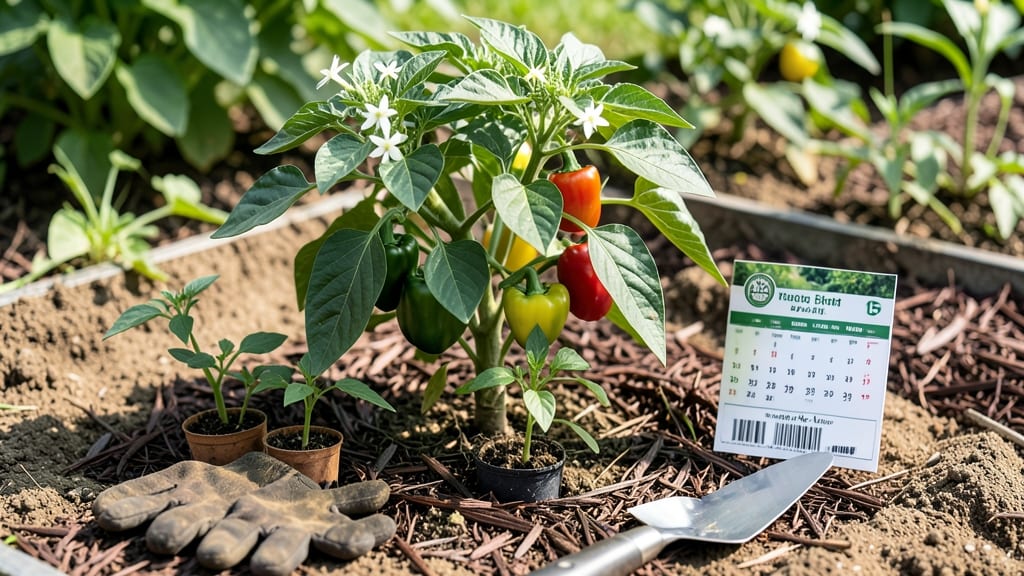
Planting bell peppers 🌶️ in Alabama at the wrong time means bitter, bolted plants instead of the sweet harvests you crave. The key to success lies in understanding the 6-week window between mid-April and early June, when soil temperatures hit that critical 60°F mark and frost risk disappears.
Alabama’s Heat Zone 8A gives you more flexibility than cooler regions, but timing still matters. Start too early, and your peppers will bolt from the heat. Wait too long, and you’ll miss the ideal 75-day growing season before summer’s intensity peaks.
Whether you’re transplanting seedlings or sowing directly, I’ll show you exactly how to sync your planting with Alabama’s microclimates—from Birmingham’s urban heat islands to Huntsville’s cooler valleys. This isn’t just about avoiding failure; it’s about unlocking the best yields your garden can produce.
Ready to grow peppers that stay sweet and productive all summer? Let’s dive into the precise timing, variety choices, and pro tips that’ll make your Alabama harvest the envy of the neighborhood.
Alabama heat zone 8A planting windows: avoiding bolt risk with precision timing
Alabama’s Heat Zone 8A offers gardeners a long growing season, but bell peppers planted too late often bolt prematurely—sending up flowers and bitter fruit instead of sweet harvests. The 6-week transplant window from March 15 to April 30 is your golden opportunity to avoid this common mistake.
This timing ensures seedlings mature before summer heat stress triggers early flowering.
Why does timing matter so much? Bell peppers are heat-sensitive when young. Starting too late—after May 1—forces plants to grow in 90°F+ soil temperatures, which shocks their roots and accelerates the bolting process.
In Birmingham’s urban heat islands, temperatures rise faster than in Huntsville’s cooler valleys, so adjust your schedule accordingly.
Here’s the critical rule: Wait until soil temperatures hit 60°F+ (use a soil thermometer to check) and all frost risk has passed. In most of Alabama, this aligns with mid-April, but northern counties like Madison may need to wait until early May.
Planting earlier risks frost damage to young seedlings, while late starts risk bolting.
| Region | Last Frost Date | Optimal Planting Window | Soil Temp Threshold | Bolt Risk Level |
|---|---|---|---|---|
| Birmingham | March 15 | March 20–April 15 | 60°F+ | High (after April 15) |
| Huntsville | March 20 | April 1–April 25 | 60°F+ | Medium (after April 20) |
| Mobile | February 28 | March 1–March 25 | 65°F+ | Low (after March 15) |
| Montgomery | March 10 | March 15–April 10 | 62°F+ | High (after April 5) |
If you’re direct-sowing seeds instead of transplanting, start 4–6 weeks before your optimal window. For Birmingham, that means mid-February, while Huntsville gardeners should wait until late February. Use biodegradable seed pots to reduce transplant shock and speed up establishment.
For container gardening, the timing is slightly more flexible. Containers warm up faster, so you can plant 1–2 weeks earlier than in-ground gardens. However, ensure pots have drainage holes and use lightweight potting mix to prevent overheating.
Black containers absorb more heat—opt for white or silver if your porch gets scorching afternoon sun.
Watch for bolting signs like elongated stems, yellowing leaves, or tiny white flowers. If you spot these after May 15, your plants are reacting to heat stress. To salvage them, prune flower buds immediately and shade cloth (30–50%) can buy you 2–3 more weeks of growth before harvest.
Pro tip: Mulch heavily with straw or wood chips to keep soil temperatures stable. This reduces bolting risk by 50% in Alabama’s fluctuating spring weather. Aim for a 3-inch layer around plants, but keep mulch 6 inches away from stems to prevent rot.
For fall harvests, start a second batch of seedlings July 15–August 1. These will mature just before first frost (typically mid-November). Use heat-tolerant varieties like ‘Jupiter’ or ‘Carolina Wonder’—they handle Alabama’s late-summer heat better than standard types.
Remember: Precision timing isn’t just about dates—it’s about soil, sun, and stress. By following this 6-week window and adjusting for your microclimate, you’ll avoid bol
3 Critical factors that determine your bell pepper success in Alabama
Bell peppers thrive in Alabama’s Heat Zone 8A, but getting the timing right is everything. The soil temperature must stay above 60°F for roots to establish properly—any cooler, and your plants will struggle or bolt.
My local frost-free dates in Birmingham typically land around March 15, but Huntsville’s cooler microclimate can push this back by 2 weeks.
Row covers are my secret weapon for extending the season. Lightweight fabric like floating row covers can push your planting window back by 3-4 weeks, shielding young plants from late frosts while still allowing sunlight. I’ve used them successfully until April 15 in most of Alabama without issues.
Now let’s compare your two main options: direct sowing vs. transplanting seedlings. The choice affects timing, cost, and success rates—here’s the breakdown you need to decide:
Direct Sowing vs. Transplanting Bell Peppers in Alabama
Direct Sowing
- Pros:
- 🌱 Hardier plants—avoids transplant shock
- 💰 Lower cost—no need to buy seedlings
- 📅 Later planting—sow after May 1 when soil is warm
- Cons:
- ⏳ Slower growth—takes 75+ days to mature
- 🌧️ Frost risk—needs protection until strong
- 🌿 Thinning required—wastes seedlings
Transplanting
- Pros:
- ⏰ Faster harvest—60-70 days to maturity
- 🌡️ Controlled timing—plant when ready
- 🌿 More variety—access to heirlooms/grafted plants
- Cons:
- 💰 Higher cost—seedlings can be expensive
- 🌱 Transplant shock—requires careful handling
- 📅 Earlier window—must plant by April 15 for best results
For transplants, I start mine indoors under grow lights 8-10 weeks before the last frost. Harden them off for 1 week before moving to the garden—this reduces shock by 50%.
If you’re direct sowing, wait until the soil hits 70°F (use a soil thermometer!) and plant seeds ½ inch deep, 12 inches apart.
Pro tip: Use black plastic mulch to warm the soil faster. It raises temperatures by 5-10°F, which is a game-changer for early plantings. I’ve seen seedlings emerge 3 days faster with this trick in my Mobile County garden.
Remember, bolting (when peppers flower prematurely) is your biggest enemy. Planting too early or in cool soil triggers this. Stick to these three rules: 60°F+ soil, after last frost, and use row covers if needed. Follow them, and you’ll avoid the bitter, seedy peppers that ruin harvests.