
Planting
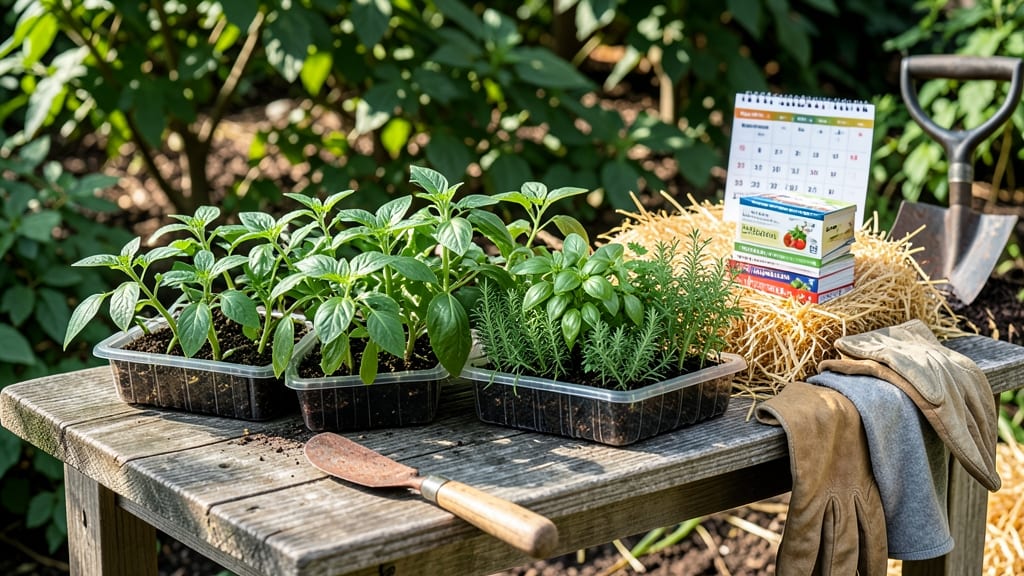
Timing your garden planting in Virginia isn’t just about following a calendar—it’s about outsmarting the region’s unpredictable last frost dates, which can shift by weeks depending on whether you’re in the Tidewater or the Blue Ridge Mountains.
One wrong move, and your 🌱 General Garden Plants could get nipped by frost or miss their prime growing window.
I’ve spent years tracking Virginia’s frost patterns, and the secret to a thriving garden lies in knowing exactly when to plant—whether you’re sowing cool-season greens in early spring or warm-season tomatoes after the danger of frost has passed.
In this guide, I’ll break down the ideal planting windows for your specific USDA zone (6a-8a), so you can avoid common mistakes like planting too early in the Piedmont or waiting too long in the Valley.
You’ll also discover how to adjust for Virginia’s microclimates, from coastal warmth to mountain chill.
Ready to grow a garden that’s more efficient and bountiful? Let’s dive into the exact dates and strategies that work for Virginia’s diverse climate—no guesswork required.
Virginia’s last frost dates by region: when to plant cool-season vs warm-season crops
Virginia’s diverse climate creates distinct growing zones, each with its own last frost dates. Whether you’re in the coastal Tidewater or the mountainous Appalachian Plateau, knowing your region’s frost timeline ensures your cool-season and warm-season crops thrive.
Here’s how to time your plantings perfectly for each of Virginia’s five key regions.
Cool-season crops like spinach, kale, and peas can handle light frost, while warm-season favorites such as tomatoes, peppers, and squash need consistent warmth.
The average last frost dates across Virginia range from mid-March in the Tidewater to late May in the Appalachian Plateau, with microclimates adding even more variability.
Below is a region-by-region breakdown of Virginia’s frost dates, including historical averages and actionable planting windows for your garden. Use these dates as a starting point, then adjust based on your local microclimate, such as urban heat islands or elevated garden beds.
Pro Tip: Check the NOAA’s Virginia Climate Office or your local Cooperative Extension Service for your specific area’s 10-year frost averages. These resources provide the most accurate, up-to-date data for your garden’s success.
For cool-season crops, start seeds indoors 4–6 weeks before your region’s last frost date. Direct-sow hardy greens like spinach and lettuce as early as February in Tidewater or March in the mountains.
These crops can tolerate light frost, so don’t rush to harvest them before the first freeze.
Warm-season crops, however, demand patience. Wait until two weeks after your region’s last frost date to plant tomatoes, peppers, and squash. Soil temperatures should consistently stay above 55°F for optimal germination. Use black plastic mulch or row covers to warm the soil faster if needed.
Urban gardeners should account for the urban heat island effect, which can push last frost dates 1–2 weeks earlier in cities like Richmond or Norfolk. Conversely, high-elevation gardens in the Blue Ridge or Appalachian Plateau may need to wait until late May to plant warm-season crops safely.
Extend your growing season by planting fast-maturing varieties of warm-season crops in early June.
How to adjust planting times for Virginia’s unpredictable weather patterns
Virginia’s spring frost dates can shift by weeks, leaving gardeners scrambling when tender seedlings face unexpected cold snaps. The key to success lies in flexible planting strategies that account for the state’s microclimates—from the milder Tidewater region to the cooler Appalachian highlands.
By combining soil warming, frost protection, and succession planting, you can extend your growing season and safeguard your harvest.
Start by checking the NOAA Virginia Climate Office for your local last frost date, which can vary by 10-14 days across regions. For example, Richmond typically sees its last frost around March 31, while Roanoke holds off until April 15.
These dates are your baseline, but they’re not set in stone—especially in years with erratic weather like 2023’s late-May frosts in the Shenandoah Valley.
⚠️ WARNING: Late Frost Risks ⚠️ Virginia’s spring frost can linger well into April, even in warmer regions. If you’re planting warm-season crops like tomatoes or peppers, wait until two weeks after the average last frost date—or risk losing your investment.
For cool-season crops like lettuce or spinach, use frost cloth to protect seedlings if nighttime temps dip below 32°F. In the Blue Ridge Mountains, frost can occur as late as May 10, so plan accordingly by starting seeds indoors or using row covers.
To warm soil faster, lay down black plastic mulch 2-3 weeks before planting. This raises soil temps by 5-10°F, jumpstarting germination for warm-season crops. Pair this with straw mulch on top to retain moisture and suppress weeds.
For container gardens, use heat mats or move pots closer to sunny walls during cool nights. These methods can shave 10-14 days off your planting timeline, giving you an earlier start.
Succession planting is your secret weapon against Virginia’s unpredictable transitions between seasons. Instead of sowing all your lettuce or radish seeds at once, stagger plantings every 2 weeks from March to June. This ensures a continuous harvest and minimizes losses if a late frost hits.
For broccoli or cabbage, which bolt in heat, plant early varieties in March and late varieties in August for a fall crop. Track your progress with a gardening journal to refine timing each year.
Don’t rely solely on calendar dates—monitor soil temperature with a soil thermometer. Most warm-season crops need soil temps above 60°F to germinate, while cool-season crops thrive in 45-55°F soil.
In coastal Virginia, where soil warms faster, you might plant peppers in early April, but in the Valley, wait until mid-May. Adjust based on real-time data, not just averages.
Finally, leverage local weather forecasts beyond the 10-day outlook. Sign up for NOAA’s Climate Prediction Center alerts and follow Virginia Cooperative Extension updates for frost warnings. If a late frost is predicted, cover seedlings with frost cloth or old bedsheets secured with bricks.
For extended cold snaps, consider a mini greenhouse or cold frame to create a microclimate that protects young plants. With these strategies, you’ll turn Virginia’s unpredictable weather into an advantage for a longer, more productive growing season. 🌱