
Flowers
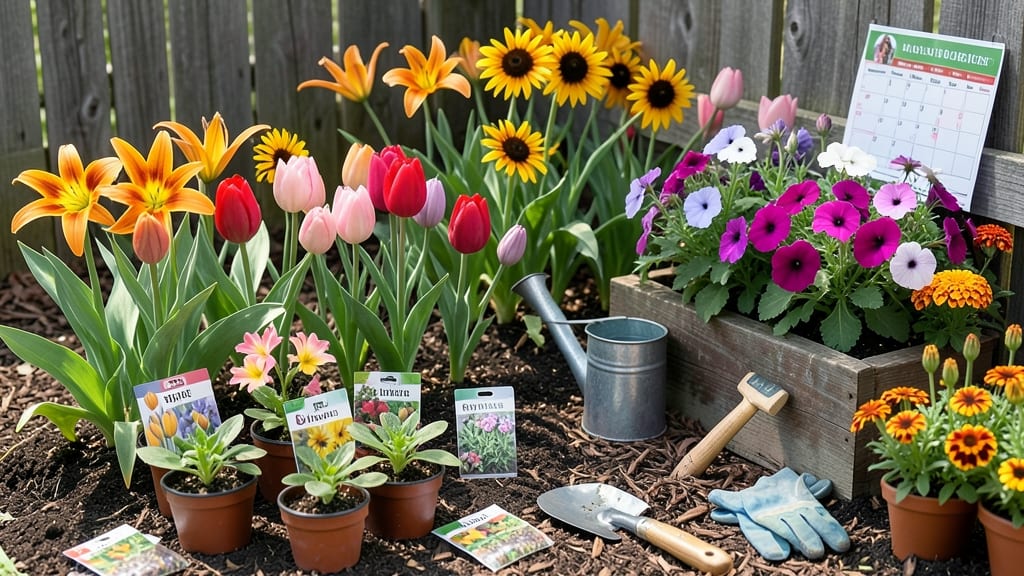
Planting your 🌸 flowers at the wrong time in New Jersey could mean the difference between a garden bursting with color and one that fizzles out before summer. The key to success? Knowing your county’s last frost date—because even the hardiest blooms can’t handle a surprise freeze.
With New Jersey’s 6a-7b climate, timing matters more than you might think. Whether you’re dreaming of vibrant spring tulips or late-summer zinnias, getting those seeds in the ground at the right moment ensures your flowers thrive.
I’ll break down the best planting windows so you can avoid common mistakes and enjoy a garden that blooms all season long.
Let’s start with the basics: when to plant for spring blooms versus fall favorites, and how to adjust for your specific county. You’ll also discover how to protect delicate flowers from late frosts—because even the best-laid plans can go sideways if Mother Nature has other ideas.
Ready to transform your garden into a year-round showstopper? By the end of this guide, you’ll know exactly when to plant, what to plant, and how to keep your 🌸 flowers looking their best—no guesswork required.
NJ last frost dates by county: when to plant flowers safely
New Jersey’s last average frost dates vary dramatically across counties, thanks to coastal breezes, urban heat islands, and inland valleys. For gardeners, this means planting windows can shift by weeks—sometimes even 10-14 days—between Atlantic County and Passaic County.
Understanding these differences helps you choose early bloomers like pansies for cooler zones or heat-tolerant varieties like zinnias for warmer areas.
Coastal counties like Cape May and Atlantic often see their last frost by April 1, while inland areas like Sussex or Warren may wait until April 25.
This variation isn’t just about timing—it’s about selecting the right flowers for your microclimate. For example, tulips thrive in early-spring soil, but marigolds need warmer temperatures to germinate.
Here’s how to use this data: Annuals like petunias should wait until two weeks after your county’s last frost, while perennials like coneflowers can handle cooler soil. Bulbs, planted in fall, rely on chilling requirements—so timing matters just as much in September-October as it does in spring.
| County | Last Avg. Frost | Safe Planting Window | Early Bloomers | Heat-Tolerant Picks | Bulb Planting Time |
|---|---|---|---|---|---|
| Atlantic | March 28 | April 15 (2 weeks after) | Pansies, Snapdragons | Zinnias, Marigolds | Fall: Sep 15-Oct 1 |
| Bergen | April 10 | April 25 (2 weeks after) | Tulips, Daffodils | Petunias, Sunflowers | Fall: Sep 20-Oct 10 |
| Burlington | April 5 | April 20 (2 weeks after) | Crocus, Hyacinth | Cosmos, Lantana | Fall: Sep 25-Oct 15 |
| Cape May | March 25 | April 10 (2 weeks after) | Primroses, Violas | Portulaca, Verbena | Fall: Sep 10-Oct 1 |
| Essex | April 8 | April 23 (2 weeks after) | Bleeding Heart, Lungwort | Geraniums, Salvia | Fall: Sep 20-Oct 10 |
| Gloucester | March 30 | April 15 (2 weeks after) | Iris, Allium | Zinnias, Gaillardia | Fall: Sep 15-Oct 1 |
| Hudson | April 12 | April 27 (2 weeks after) | Daffodils, Tulips | Petunias, Marigolds | Fall: Sep 25-Oct 15 |
| Passaic | April 15 | May 1 (2 weeks after) | Peonies, Lilacs | Lantana, Pentas | Fall: Oct 1-Oct 15 |
| Sussex | April 25 | May 10 (2 weeks after) | Delphinium, Columbine | Black-Eyed Susan, Coneflower | Fall: Oct 1-Oct 15 |
| Warren | April 20 | May 5 (2 weeks after) | Bleeding Heart, Lungwort | Salvia, Verbena | Fall: Sep 30-Oct 15 |
Best flowers to plant in NJ by season: timing and care tips
New Jersey’s variable climate—from coastal breezes to inland heat—means your flower planting schedule should adapt to your microclimate. Coastal areas like Cape May enjoy milder springs, while inland counties like Morris face earlier frosts.
I’ve broken down the best flowers for each season, their ideal planting windows, and care tips to thrive in NJ’s USDA zones 6b-7a.
Start with spring-blooming bulbs like tulips and daffodils—plant them in October-November for early color. These cold-hardy perennials naturalize beautifully and return year after year. For annuals, wait until after your county’s last frost date (typically mid-April inland, early April coastal) to avoid frost damage.
For summer-long blooms, prioritize zinnias and petunias—they thrive in NJ’s hot, humid summers when planted after the last frost. Zinnias love full sun and drought-tolerant soil, while petunias prefer well-draining containers to prevent root rot. Deadhead spent blooms weekly to encourage continuous flowering through September.
Fall planting isn’t just for bulbs! Chrysanthemums and pansies planted in September will reward you with late-season color before winter. Amend your soil with compost before planting—NJ’s clay-heavy soil benefits from organic matter to improve drainage. Mulch with 2-3 inches of straw to protect roots from temperature fluctuations.
Adjust for your specific county: Coastal gardeners can plant 2-3 weeks earlier than inland areas. For example, Atlantic County can safely plant marigolds in late April, while Passaic County should wait until mid-May.
Always check your local Cooperative Extension Service for up-to-date frost data—it’s your best tool for seasonal success.
Remember, sunlight is non-negotiable. Most NJ flowers need 6+ hours of sun daily, with morning sun being ideal to prevent wilting. Group sun-lovers like zinnias and sunflowers together, and place shade-tolerant options like impatiens under trees.
With the right timing and care, your NJ garden can bloom from spring tulips to fall chrysanthemums!