
Plants
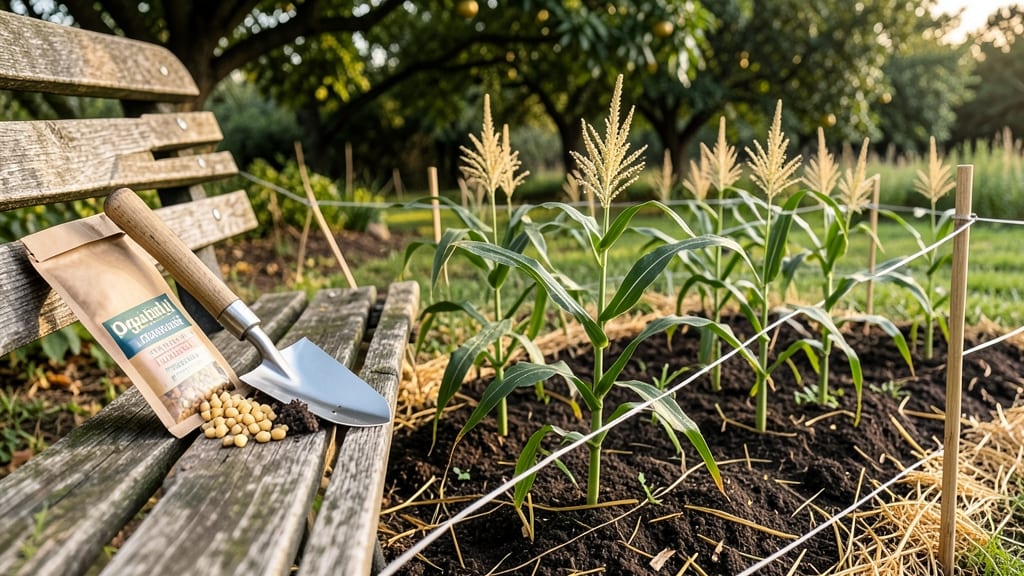
Planting corn in Mississippi at the wrong time can turn your 🌽 dreams into a sad, stunted mess—especially when humidity and heat play tricks on your schedule.
The exact weeks before your last frost (around March 15) are the difference between a towering, productive crop and one that struggles to mature before the first frost nips at the leaves.
Mississippi’s 8a climate zone gives you a longer growing window than most, but that doesn’t mean you can slack off on timing. Too early, and your seeds rot in cold soil; too late, and your corn won’t reach peak sweetness before October’s chill sets in.
I’ve spent years fine-tuning the ideal planting strategy for this region, and the secrets I’m about to share will help you avoid the most common pitfalls.
Whether you’re in the northern part of the state or down south where the heat hits faster, knowing when to drop those seeds is critical.
We’ll break down the perfect planting windows for your specific area, plus how to adjust for soil temperature, microclimates, and even the type of corn you’re growing. Ready to grow corn that’s not just tall but bursting with flavor?
Let’s dive into the exact weeks that will set you up for a harvest that’ll make your neighbors jealous—no guesswork, just proven Mississippi wisdom.
Mississippi corn planting schedule by region: exact weeks before last frost
Mississippi’s diverse climate zones—Northern, Central, and Southern—create unique planting windows for corn. Understanding your region’s last frost dates and soil temperature requirements (corn needs at least 60°F) ensures your seeds germinate properly and mature before fall frost.
Planting too early risks frost damage, while late planting may leave corn vulnerable to drought stress or poor pollination from summer heat.
For Northern Mississippi (USDA Zones 7b-8a), the last frost typically occurs around March 15, giving you a 10-12 week window before summer’s peak heat. Central Mississippi (Zones 8a-8b) enjoys a slightly longer season, with last frosts around March 1-15, while Southern Mississippi (Zones 8b-9a) can plant as late as April 15 with minimal frost risk.
Each zone also faces distinct challenges, like sandy soils in the Delta or clay-heavy soils in the North.
In Northern Mississippi, aim to plant sweet corn varieties like Silver Queen or Peaches and Cream between April 15 and May 1. These varieties mature in 60–90 days, ensuring harvests before fall frost.
If you miss this window, consider fast-maturing varieties (e.g., Ambrosia) or succession planting every 2 weeks for continuous harvests. For Central Mississippi, where summers are hotter, dent corn varieties (e.g., Pioneer 39T20) thrive when planted April 1–May 15 and take 70–100 days to mature.
Southern Mississippi gardeners have the most flexibility, with planting windows stretching from March 15 to April 30. This region’s longer growing season allows for late-season varieties like Golden Bantam (ideal for heirloom corn) or early sweet corn like Country Gentleman. However, planting too late (after May 1) risks heat stress during pollination, leading to blind ears (ears without kernels). To mitigate this, use shade cloth during peak summer heat or choose heat-tolerant hybrids like Pioneer 4787.
Soil temperature is critical—corn seeds won’t germinate below 50°F, but ideal conditions require 60°F+. Use a soil thermometer to monitor temperatures, especially in sandy soils (which warm faster) or clay-heavy soils (which retain moisture but cool slower). If your soil is too cold, delay planting or use black plastic mulch to warm the soil 2–3 weeks faster. In Northern Mississippi, this might mean waiting until late April even if your frost date is earlier.
Another key factor is succession planting. Mississippi’s heat can lead to bolting (premature flowering) or ear rot if corn matures too slowly. To stagger harvests, plant one batch every 2 weeks through early June. For example, in Central Mississippi, plant:
- 🌡️ Soil Temp Check: Wait until soil reaches 60°F+—use a thermometer for accuracy. Sandy soils warm faster; clay soils lag behind.
- 🏙️ Urban Gardens: Plant 2-3 weeks later than rural areas due to heat islands and faster drying. Opt for fast-maturing varieties (60-75 days).
- 🏞️ Clay Soil Fix: Amend with compost or sand to improve drainage. Plant late April to early May for best results.
- 💧 High Humidity Zones: Choose disease-resistant varieties (e.g., 'Silver Queen'). Space plants wider (36-inch rows) for airflow.
- ☀️ Row Covers: Extend season by 2-3 weeks in cool areas. Use floating row covers until plants reach 12 inches tall.
- 🌽 Variety Selection: Northern MS: Early varieties (60-75 days). Southern MS: Standard (90-120 days). Check MSU Extension for local recommendations.
- 📅 Succession Planting: For sandy soils, plant every 2 weeks from April to June. Use short-season varieties for fall harvests.
How to adjust corn planting time for Mississippi’s microclimates and soil types
Mississippi’s diverse microclimates and soil types can drastically change your corn’s success. Urban gardens with sandy soils dry out faster, while clay-heavy areas stay soggy longer. High humidity in southern regions also affects planting timing—don’t assume one schedule fits all! Adjusting for your specific conditions ensures healthy, productive corn plants.
Start by testing your soil temperature with a soil thermometer—corn needs 60°F+ soil to germinate. In sandy soils, warm up faster, so you can plant earlier.
Clay soils hold cold longer, delaying planting by 2-3 weeks. Use these adjustments to match your local conditions and avoid stunted growth or poor germination.
For urban gardens, heat islands can push soil temps up quickly, so delay planting until late April or early May. Fast-maturing varieties like 'Early Sunglow' (72 days) thrive in these conditions.
In contrast, clay-heavy soils in northern Mississippi may need to wait until early May—amend with organic matter to speed up warming.
High humidity in southern Mississippi demands extra care. Select disease-resistant varieties and space plants farther apart to reduce fungal risks. If your area experiences late frosts, use row covers to protect young plants until they’re established. This simple trick can add weeks to your growing season.
Don’t overlook succession planting—especially in sandy soils where moisture evaporates quickly. Plant a new batch every 2 weeks from April to June, using shorter varieties like 'Ambrosia' (85 days). This ensures a steady harvest and maximizes your garden space.
Mississippi’s soil diversity and microclimates reward gardeners who tailor their approach. By adjusting planting times, choosing the right varieties, and using simple tools like soil thermometers and row covers, you’ll transform challenges into opportunities for a bountiful corn harvest. Start with these adjustments, and watch your plants thrive! 🌽