
Planting
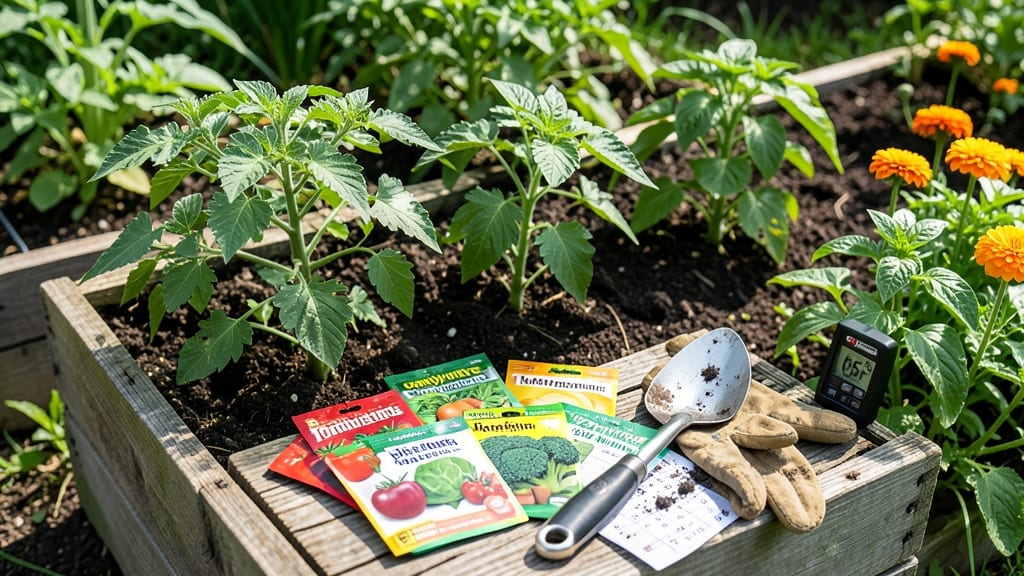
Planting your Tennessee garden at the wrong time can mean the difference between a bountiful harvest and wasted seeds—especially when frost dates shift from Memphis to the Smoky Mountains. Whether you're growing tomatoes in Zone 7b or sweet potatoes in Zone 6a, timing matters more than you think.
I’ve tracked frost patterns across Tennessee for years, and the key to success isn’t just knowing what to plant—it’s knowing when. For example, Nashville’s last frost typically hits around April 15, while Chattanooga’s high-elevation areas can linger until May 1.
These differences can throw off your entire planting schedule if you’re not prepared.
In this guide, I’ll break down the exact frost-free dates by county, so you can align your 🌱 General Garden with Tennessee’s unpredictable climate. You’ll learn how to adjust for microclimates, pick the best crops for your region, and avoid common mistakes that cut yields short.
Ready to turn your garden into a thriving ecosystem? Let’s get started with the planting windows that actually work for Tennessee’s diverse zones.
Tennessee’s frost-free dates by county: when to plant cool vs warm season crops
Tennessee’s diverse geography means frost dates can vary by hundreds of miles—from the Smoky Mountains’ late springs to the Memphis Delta’s early warm-ups.
Knowing your county’s last spring frost and first fall frost ensures you plant cool-season crops (like spinach) early enough and warm-season crops (like tomatoes) after the danger of frost has passed. Below are the average frost-free windows for key regions, with actionable timing for your garden’s most popular plants.
For cool-season crops, such as lettuce, kale, and peas, aim to sow seeds 4-6 weeks before your last frost date. These plants thrive in cooler temperatures (40–75°F) and can even tolerate light frosts.
In contrast, warm-season crops like tomatoes, peppers, and cucumbers need soil temperatures above 60°F and should only go into the ground 2 weeks after your last frost. Use these county-specific guidelines to align your planting schedule with Tennessee’s microclimates.
🌱
If you’re in West Tennessee, like Shelby County, you can start cool-season crops as early as mid-February, giving you a head start on lettuce and spinach. Meanwhile, gardeners in East Tennessee’s mountains may need to wait until mid-April for safe planting.
For warm-season crops, West Tennessee’s earlier frost-free dates mean you can plant tomatoes by early April, while East Tennessee gardeners should hold off until mid-May to avoid frost damage.
Pro tip: Use row covers or cold frames to extend your cool-season growing window by 2–4 weeks in regions with late springs, like Sevier County.
Similarly, black plastic mulch can warm soil faster in early spring, helping you plant warm-season crops like peppers and eggplants sooner in Middle Tennessee. Always check your local USDA Hardiness Zone (6a–7b for most of TN) for additional guidance.
For fall planting, aim to sow cool-season crops like broccoli and cabbage 8–10 weeks before your first frost.
In West Tennessee, this means starting in early August, while East Tennessee gardeners should begin by mid-August. Warm-season crops like sweet potatoes and okra can often handle light frosts, so plant them 6–8 weeks before your first frost for a late-season harvest.
🌿
Remember, these dates are averages—actual frost dates can shift by 1–2 weeks due to weather patterns. Monitor your local National Weather Service updates or use a frost calendar from your county extension office for real-time adjustments.
For example, Nashville’s urban heat island often experiences earlier last frosts than rural areas just 2
How to adjust planting times for Tennessee’s microclimates and soil types
Tennessee’s diverse geography—from the high elevations of Sevier County to the urban heat islands of Nashville—creates unique gardening challenges. These microclimates can shift planting windows by 2-4 weeks, while clay-heavy soils in Middle Tennessee require special prep.
For example, my tomato plants in Knoxville thrive when started 2 weeks later than those in Memphis, where soil warms faster.
Soil type also dictates timing. Clay soils hold moisture longer, delaying spring planting until soil temperatures hit 60°F consistently. Meanwhile, sandy soils in West Tennessee dry out quickly, demanding earlier watering.
I’ve learned to test soil temps with a soil thermometer—critical for warm-season crops like peppers that need heat to germinate.
⚠️ callout warning
West Tennessee’s earlier springs (last frost: March 15) tempt gardeners to plant corn in late April. But heat stress in May/June can reduce yields. Solution: Start seeds indoors by March 1 or use early-maturing varieties (e.g., ‘Silver Queen’).
🌱 Pro Tip: Extend seasons with row covers or cold frames—I’ve added 2-3 weeks to my fall harvests in East Tennessee’s Zone 6a using these tools.
For high-elevation areas like Sevier County, delay planting until after May 15 to avoid late frosts. I’ve seen frost damage on broccoli planted in early April—even with row covers. Instead, opt for cold-hardy crops like kale or spinach in March, then transition to tomatoes after Memorial Day.
Urban heat islands (e.g., Nashville) can be 5-10°F warmer than rural areas, accelerating growth. My peppers mature 3 weeks faster in city gardens than in cooler Chattanooga suburbs.
To adapt, I plant heat-tolerant varieties (e.g., ‘Carolina Wonder’ peppers) and use shade cloth during summer’s peak heat to prevent bolting.
Clay soils in Middle Tennessee need amendments like compost or sand to improve drainage. I test soil pH (aim for 6.0-7.0) and add gypsum to break up compaction. For slow-draining areas, raise beds or plant shallow-rooted crops (e.g., lettuce) in mounds to prevent rot.
Extend your season with seasonal extensions: Use row covers for cool-season crops (e.g., carrots) planted in September, or cold frames to harvest greens until December. In my Zone 7a garden, these tricks add 4-6 weeks of growing time—critical for winter squash and garlic.