
Planting
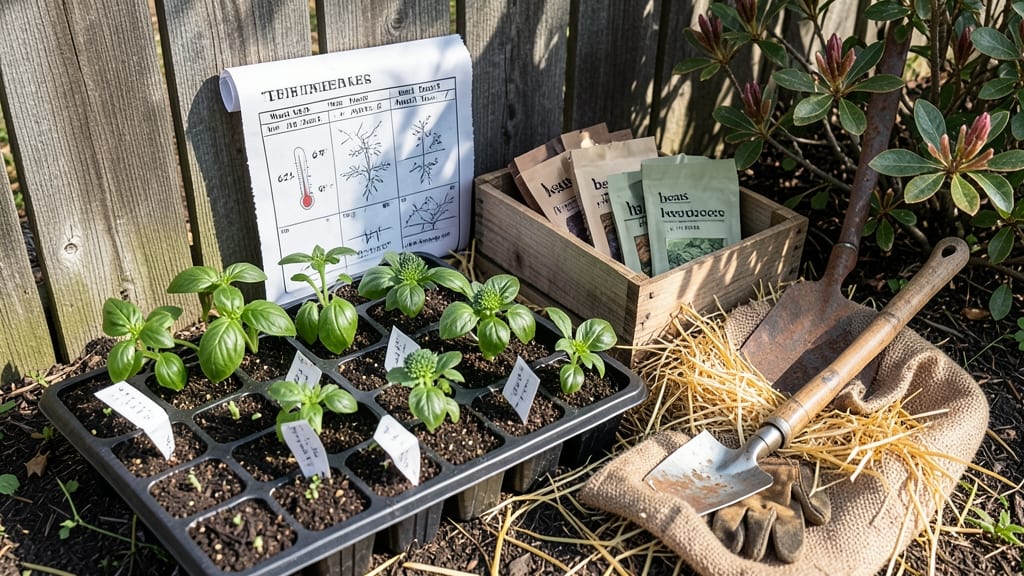
Timing your garden planting in Tennessee isn't just about grabbing seeds and digging in—it's about catching that perfect window between frost and scorching heat to ensure your 🌱 General Garden Vegetables & Plants thrive.
Miss the mark, and you could end up with bolted lettuce or stunted tomatoes, no matter how much care you put in.
With USDA zones 6a-7b and three distinct regions—East, Middle, and West—Tennessee’s climate varies enough that a one-size-fits-all approach won’t cut it.
Whether you’re in the cooler Appalachian foothills or the warmer Memphis plains, knowing your last frost date (which can vary by two weeks or more) is the key to planting with confidence.
In this guide, I’ll break down the exact months to plant everything from cool-season greens to heat-loving peppers, plus how to adjust for microclimates like urban heat islands or mountain valleys. No more guessing—just data-driven planting that maximizes your harvest.
Ready to turn your garden into a year-round success? Let’s dive into the schedules that work for Tennessee’s unique growing seasons—and how to tweak them for your specific corner of the state.
Tennessee’s last frost dates by region: when to plant cool-season vs. warm-season crops
Tennessee’s gardening calendar isn’t one-size-fits-all—its three distinct regions (East, Middle, and West) experience last frost dates that can vary by 3-4 weeks. Whether you’re growing cool-season greens like kale or heat-loving tomatoes, timing is everything.
In East Tennessee’s mountains, the last frost might linger until April 15, while West Tennessee’s flatter terrain often sees frost-free soil by March 15. These differences mean your spring planting window could shift dramatically depending on where you live.
Understanding these regional patterns helps you avoid frost damage to tender seedlings and ensures you’re not planting too early or too late. For example, peppers and eggplants, which need warm soil, should wait until after the average last frost date—typically May 1 in most of Tennessee.
Meanwhile, spinach and peas thrive when sown 4-6 weeks before that date. Let’s break down the specifics so you can plan your garden like a pro.
Here’s a comparison of Tennessee’s three key gardening regions, including average last frost dates, 10-year trends, and the best planting windows for both cool-season and warm-season crops. Use this as your guide to align your planting schedule with your local climate.
| Region | Key Counties | Avg. Last Frost | 10-Year Trend | Cool-Season Planting Window | Warm-Season Planting Window |
|---|---|---|---|---|---|
| East TN | Sevier, Cocke, Sullivan, Johnson | April 1-15 | Shifting 2-3 days earlier per decade | March 1-15 (sow peas, spinach, lettuce) | May 15-June 1 (transplant tomatoes, peppers) |
| Middle TN | Davidson, Williamson, Rutherford, Wilson | March 25-April 5 | Shifting 1-2 days earlier per decade | February 20-March 10 (sow broccoli, carrots, onions) | April 20-May 10 (direct-sow beans, cucumbers) |
| West TN | Shelby, Fayette, Tipton, Dyer | March 10-20 | Shifting 3 days earlier per decade | February 1-15 (sow radishes, kale, collards) | April 1-May 1 (transplant squash, okra) |
| All Regions | Fall Planting | N/A | First frost: November 1-15 | August 1-September 15 (sow spinach, peas, lettuce) | N/A (focus on cool-season crops) |
If you’re in East Tennessee and your seedlings emerge in early April, be prepared for a late frost—especially in higher elevations. Use row covers or move tender plants to a protected microclimate near a south-facing wall.
Meanwhile, gardeners in West Tennessee can often start warm-season crops like squash and melons as early as April 1, thanks to warmer soils and earlier last frosts.
For those who miss the spring planting window, don’t despair—fall planting is a great second chance. In most of Tennessee, you can sow cool-season crops like spinach and peas from August 1 to September 15.
These crops thrive in cooler weather and can even overwinter with a little protection. Just remember: first frost typically arrives between November 1 and 15, so plan accordingly.
If you’re a late starter or live in a microclimate with unpredictable frosts, opt for heat-tolerant varieties
How to adjust your planting schedule for Tennessee’s microclimates and soil types
Tennessee’s varied landscapes—from the Appalachian mountains to the Mississippi River bottoms—create unique growing conditions that demand flexibility in your planting schedule. Urban gardens in Nashville with clay-heavy soil behave differently than sandy loam in Memphis, while mountain valleys experience cooler microclimates.
Adjusting your timing based on these factors can mean the difference between a thriving garden and a disappointing one.
Start by identifying your specific microclimate. Urban areas often trap heat, while valleys can stay 10°F cooler than surrounding regions. River bottoms, with their rich alluvial soil, may allow earlier planting, but poor drainage requires raised beds.
Test your soil’s pH and texture—Nashville’s clay needs organic matter to improve drainage, while Memphis’ sandy soil benefits from compost and mulch to retain moisture.
🌱 Key Adjustments for Tennessee’s Microclimates
| Microclimate | Soil Type | Planting Adjustment | Tool/Technique |
| Urban (Nashville) | Clay-heavy | Plant 2 weeks later; use raised beds | Row covers, compost |
| Mountain Valleys | Well-draining | Plant 3 weeks earlier; extend season | Cold frames, mulch |
| River Bottoms | Sandy loam | Plant 1 week earlier; monitor drainage | Raised beds, drip irrigation |
Pro Tip: Use row covers to extend spring planting by 4-6 weeks in cooler areas.
For clay-heavy soils like those in Nashville, amend the soil with 3-4 inches of compost or aged manure before planting. This improves drainage and aeration, preventing root rot in tomatoes or peppers.
In sandy soils common in Memphis, mix in peat moss or coconut coir to retain moisture. Always water deeply once a week in sandy areas to encourage deep root growth.
Extend your growing season with seasonal tools. Use row covers to protect cool-season crops like lettuce or spinach from late frosts, or cold frames to grow herbs like cilantro through winter.
In urban heat islands, shade cloth can prevent bolting in leafy greens during summer. Monitor your garden’s microclimate shifts—a 5°F difference can change planting windows significantly.
Adjust your fall planting schedule based on soil type. In clay soils, plant broccoli or kale in late August to avoid compacted soil from fall rains. In sandy soils, sow radishes or turnips as early as mid-September for a quick harvest before frost.
Always check local frost dates—East Tennessee’s later frosts may delay fall planting by 2-3 weeks compared to West Tennessee.
Finally, rotate crops annually to maintain soil health. Heavy feeders like corn or squash exhaust nutrients in sandy soils, while legumes like beans improve clay soils through nitrogen fixation.
Keep a garden journal to track what works best in your unique microclimate—your notes will become your most valuable tool over time.