
Plants
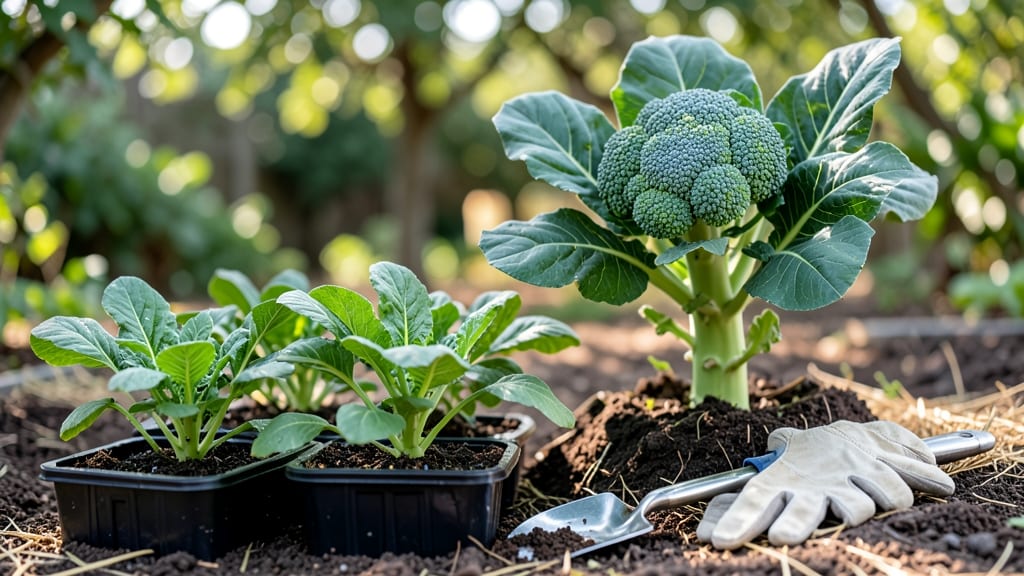
Planting broccoli 🥦 in Texas isn’t just about sticking seeds in the ground—it’s about outsmarting the heat and avoiding frost surprises that can ruin your harvest.
The perfect timing depends on where you live in the Lone Star State, because what works in North Texas won’t cut it in South Texas.
If you’ve ever watched your broccoli bolt in the summer heat or wilt under an unexpected freeze, you know how critical seasonal planning is. The key is planting in September-October for fall crops or February-March for spring, but even then, your local frost dates and microclimate play a huge role.
I’ll break down exactly when to plant based on your Texas heat zone, plus pro tips to extend your growing season.
Whether you’re starting seeds or buying transplants, these strategies will help you avoid common pitfalls and grow broccoli that’s crisp, flavorful, and ready to harvest before the Texas sun gets the best of it.
Let’s get your broccoli in the ground at the right time—so you can enjoy a homegrown harvest instead of store-bought disappointment.
Texas broccoli planting calendar by heat Zone (and frost dates)
Texas’s diverse climate—from North Texas’s chilly winters to South Texas’s near-tropical summers—means broccoli planting timing varies wildly. In Zone 8a, a late spring freeze can still hit, while Zone 10a gardeners might plant year-round with care.
The key? Aligning your schedule with last frost dates and heat tolerance limits to avoid bitter, bolted plants.
Broccoli thrives in cool weather (50–75°F), making fall and early spring the sweet spots. But Texas’s long, hot summers and unpredictable freezes demand precision.
For example, a Zone 9a gardener in Austin can squeeze in a winter crop, while a Zone 10a gardener in Brownsville might grow broccoli almost year-round with shade and irrigation.
Here’s your Texas-specific planting calendar, broken down by USDA Heat Zones, including frost-free deadlines, ideal transplant windows, and heat-zone adjustments. Use this to time your seed starts or transplants for maximum success.
🌱
Notice how Zone 10a’s timeline stretches into winter planting, while Zone 8a gardeners must rush to beat March freezes. This difference comes down to frost sensitivity and heat tolerance.
For example, Zone 9a’s July–August window works because temps stay mild, but Zone 8a’s August heat would cause bolting.
For fall crops, aim to transplant 4–6 weeks before frost. In Zone 9a, that’s mid-July to late August; in Zone 10a, you can push it to early September. Start seeds 6–8 weeks before transplanting indoors or under shade cloth if direct-sowing.
Spring planting is trickier. Zone 8a gardeners must plant by mid-March to avoid late-spring heat, while Zone 10a can extend to early February. Use heat-tolerant varieties like ‘De Cicco’ or ‘Waltham 29’ for longer windows.
How to extend broccoli’s growing season in Texas heat
Texas summers can turn broccoli into a sad, wilted mess—but with the right strategies, you can keep your plants thriving even when temps soar. The key is heat management through shade, soil prep, and smart variety selection.
I’ve learned that ‘Waltham 29’ and ‘De Cicco’ varieties handle heat better than most, while succession planting ensures a steady harvest.
Start by protecting your plants from intense afternoon sun using 30-50% shade cloth. This reduces soil temperature by up to 10°F, giving roots a fighting chance. Pair this with mulch (straw or wood chips) to lock in moisture—Texas heat drains soil faster than you’d think.
I’ve seen broccoli bolt in 90°F+ weather without these precautions.
Here’s how to beat the heat with proven techniques for Texas gardeners:
- 1. Use shade cloth – Install 30-50% shade over plants during peak sun (11 AM–3 PM). Remove after harvest to avoid stunted growth.
- 2. Choose heat-tolerant varieties – Opt for ‘Waltham 29’ (slow-bolting) or ‘De Cicco’ (compact, early maturing) over standard types.
- 3. Mulch heavily – Apply 3-4 inches of straw to retain moisture and cool roots. Replenish every 2 weeks in extreme heat.
- 4. Succession plant every 2 weeks – Start new batches in late summer (August) and early fall (September) for staggered harvests.
- 5. Water deeply in mornings – Soak soil 1-2 inches per week (more in 100°F+ weather). Avoid wetting leaves to prevent disease.
Don’t overlook soil moisture retention—broccoli hates dry feet. I’ve had success amending beds with compost and coconut coir to improve water-holding capacity. For container gardens, use self-watering pots filled with moisture-retentive mix (50% potting soil, 30% compost, 20% perlite).
Timing is everything: Plant transplants in late summer (August) for a fall crop, then again in early spring (February) before heat peaks. Avoid seeding directly in summer—seedlings struggle in Texas’s oppressive humidity. Instead, start seeds indoors 6-8 weeks before transplanting to give them a head start.
With these adjustments, I’ve harvested crisp broccoli heads well into November, even in Zone 9a’s brutal summers. The secret? Shade + succession planting + heat-tolerant varieties—no magic, just smart gardening. Give it a try, and you’ll be rewarded with homegrown broccoli when stores run out.