
Planting
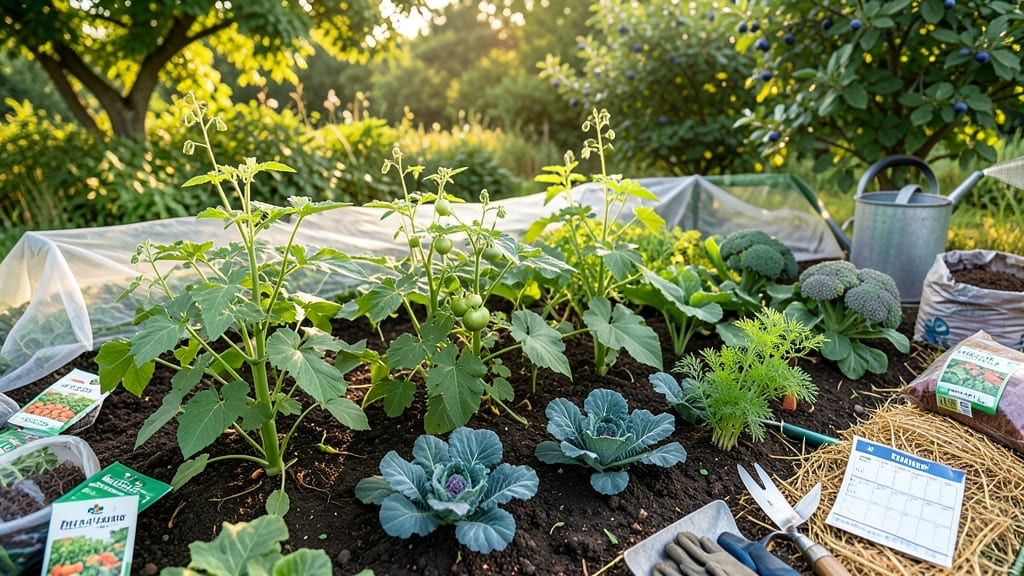
Timing your garden just right in Maine isn’t just about luck—it’s about knowing when to plant garden in Maine to beat unpredictable frost and maximize your harvest.
With coastal areas like Portland enjoying slightly earlier springs and inland spots like Bangor playing catch-up, getting the dates wrong can mean the difference between a thriving 🌱 patch and a sad, frost-nipped disappointment.
Most gardeners in USDA Zones 5b-6a wait until late April to mid-June to plant after the last frost, but those dates shift depending on whether you’re near the ocean or tucked inland.
I’ve learned the hard way that planting too soon—even with row covers—can turn your seedlings into icy snacks, while waiting too long cuts your growing season short.
What you’ll discover here are the exact frost-free windows tailored to Maine’s microclimates, plus pro tips for adjusting your schedule based on coastal breezes or inland heat waves.
No more guessing whether your tomatoes will ripen or your kale will bolt—just a clear, actionable timeline to make your garden work for you.
From extending your season with cold frames to picking the right heat-loving varieties for inland zones, this guide covers everything you need to turn Maine’s short growing season into your most productive garden yet. Let’s get those seeds in the ground at the perfect moment!
Maine’s frost-free timeline: coastal vs inland planting dates by Zone
Maine’s USDA Zones 4-5 create a dramatic contrast between coastal areas like Portland and inland regions such as Bangor. Coastal gardens often enjoy 10-14 extra frost-free days thanks to the moderating influence of the Atlantic Ocean.
Meanwhile, inland zones face shorter growing seasons and earlier frost risks. Understanding these differences is key to timing your cool-season crops (like kale and peas) and warm-season plants (like tomatoes and peppers) perfectly.
For coastal Maine (Zone 5a), the average last spring frost typically occurs around April 25-May 5, while inland areas (Zone 4b) may not see their final frost until May 10-20.
The first fall frost hits coastal areas around October 10-20, but inland gardens can expect frost as early as September 25-October 5. These variations mean your planting windows should shift based on your location—coastal gardeners can start 2 weeks earlier than inland growers for many crops.
Here’s how to use these frost dates to plan your garden:
For cool-season crops like lettuce, spinach, and peas, coastal gardeners can start seeds indoors as early as February 15 and transplant outdoors by March 15. Inland gardeners should wait until April 1 to avoid frost damage.
These crops can handle light frosts (down to 20°F for some varieties), so they’re ideal for extending your harvest into fall.
Warm-season crops such as tomatoes, peppers, and cucumbers require more precise timing. In coastal zones, you can plant these after May 10, while inland areas should wait until May 20-June 1.
To maximize your harvest, consider using row covers or cold frames to protect tender seedlings if you’re eager to get an early start. For heat-loving varieties, prioritize quick-maturing types like ‘Early Girl’ tomatoes or ‘Jalapeño’ peppers, which can produce fruit in as few as 50-60 days.
Don’t overlook fall planting—many crops thrive when sown in late summer. Coastal areas can plant kale, carrots, and radishes until September 1, while inland gardens should aim for August 15 to ensure harvests before the first frost.
These late-season crops benefit from longer daylight hours and cooler temperatures, which reduce pest pressure and improve flavor.
Pro tip: Use Maine’s State Climate Office frost maps for real-time updates, as frost dates can shift by 1-2 weeks yearly. Bookmark the USDA Plant Hardiness Zone Map and check local weather forecasts in mid-April to fine-tune your planting schedule.
A 5-day forecast before your target transplant date is your best friend for avoiding frost surprises!
Remember, soil temperature matters just as much as air temperature. Wait until the soil reaches <
How to adjust planting dates for Maine’s microclimates and unpredictable weather
Maine’s coastal and inland areas can feel like two different climates—coastal regions like Portland and Bar Harbor enjoy milder winters, while inland spots like Bangor or Presque Isle face earlier frosts. This means your tomato seedlings might thrive 3 weeks earlier near the ocean than in the Maine interior.
The key? Adjusting your planting dates based on microclimates and using tools to predict frost risks.
Start by checking the Maine State Climate Office or USDA Plant Hardiness Zone Map for your exact location. Coastal Maine (Zones 5b-6a) often has 10-14 extra frost-free days compared to inland areas.
For example, Portland’s last frost averages May 15, while Bangor’s can hit as early as May 1. Use these tools to fine-tune your planting calendar and avoid costly mistakes.
- Use row covers or cold frames to extend your growing season by 2-4 weeks in both coastal and inland areas. These tools trap heat and protect tender plants like lettuce or spinach from late frosts.
- For inland zones, opt for heat-tolerant varieties like ‘Early Girl’ tomatoes or ‘Black Krim’ tomatoes, which mature faster in shorter seasons. Coastal gardeners can afford slower-growing varieties like ‘Brandywine’ tomatoes.
- Monitor the Maine State Climate Office’s frost alerts and adjust your planting dates accordingly. Sign up for local weather updates to get real-time frost warnings that can shift your timeline by days or even weeks.
- Plant cool-season crops like kale or peas as early as late April in coastal areas, but wait until mid-May in inland zones. These hardy plants can handle light frosts and even improve in flavor after exposure.
- Use succession planting to stagger your harvests. For example, sow bush beans every 2 weeks from late May to early July to ensure a continuous supply, regardless of your microclimate.
If you’re gardening in coastal Maine, take advantage of the longer season by planting early-blooming perennials like peony or iris in early spring. These plants thrive in the cooler, humid air and often bloom earlier than inland varieties.
Inland gardeners should focus on fast-maturing annuals like bush beans or radishes, which can go from seed to harvest in as little as 30 days.
Don’t overlook the power of mulching to regulate soil temperature. A thick layer of straw or wood chips can keep roots 5-10°F warmer in spring and protect plants from early fall frosts.
This simple trick can buy you an extra 2-3 weeks of growing time, especially in inland areas where nights cool quickly.
For warm-season crops like peppers or eggplants, consider starting them indoors and transplanting after the last frost date for your area. Coastal gardeners can often transplant by mid-May, while inland gardeners should wait until early June.
Use black plastic mulch to warm the soil faster and give these heat-lovers a head start.
Finally, keep a gardening journal to track your local frost dates and plant performance. Over time, you’ll notice patterns—like how your backyard’s microclimate might be 1-2 weeks ahead of official frost dates. Share your observations with neighbors to build a community-based planting guide tailored to Maine’s ever-changing weather. 🌱