
Planting
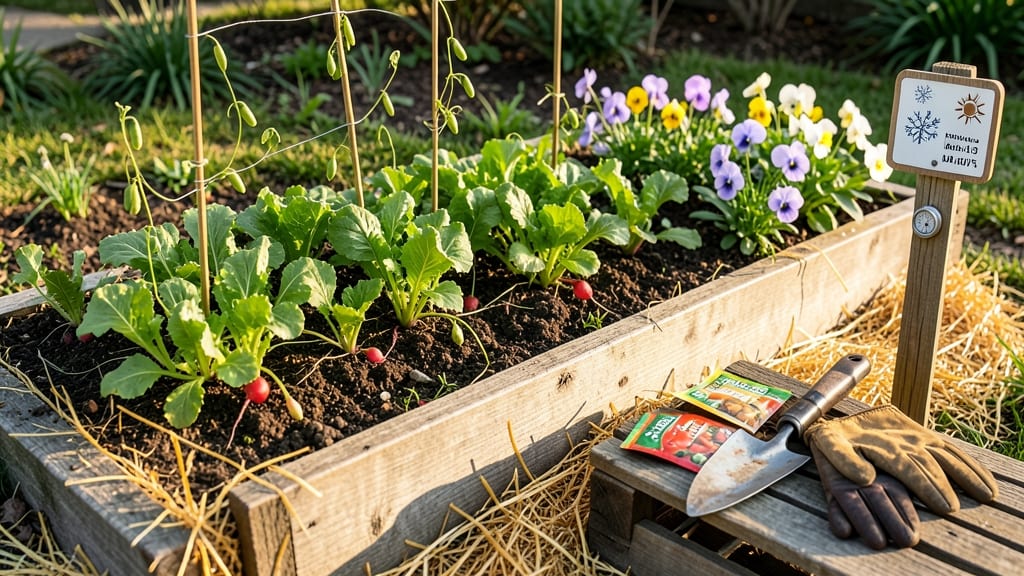
When to plant a garden in Arkansas isn’t just about throwing seeds in the ground—it’s about avoiding frost damage and maximizing harvests, especially when last frost dates shift from March 1 in Zone 6b to April 1 in Zone 8a.
With 180 frost-free days to work with, one wrong move could mean wilted tomatoes or stunted greens.
I’ve spent years tracking Arkansas planting windows, and the key isn’t just memorizing dates—it’s understanding how microclimates (like the Ozark highlands vs. the Delta) throw off the average.
Whether you’re growing cool-season crops like spinach or warm-season favorites like peppers, getting it right means the difference between a bumper crop and a sad, half-empty garden.
Here’s what I’ll show you: a county-by-county breakdown of planting windows, plus backup plans for when Arkansas weather throws curveballs. No more guessing—just proven strategies to stretch your growing season, whether you’re in North Arkansas or the South Arkansas flatlands.
Ready to turn your garden into a thriving, year-round success? Let’s dive into the exact dates—and what to do when Mother Nature doesn’t cooperate.
Arkansas last frost dates by county: exact planting windows for vegetables & flowers
Arkansas spans USDA zones 6b through 8a, creating dramatic differences between the Ozark highlands (cooler) and the Delta region (warmer). These variations mean your last spring frost could arrive 3 weeks earlier in southern counties like Chicot (Zone 8a) than in northern Benton (Zone 7a).
Knowing your county’s average frost dates helps you time warm-season crops like tomatoes and peppers perfectly while protecting cool-season greens from late freezes.
For cool-season vegetables (lettuce, spinach, kale), start seeds 4-6 weeks before your county’s last frost date. Warm-season crops (tomatoes, peppers, cucumbers) should wait until 2-3 weeks after the last frost. The Ozark Mountains (e.g., Washington or Carroll counties) often see frost 10-14 days later than the Delta, so adjust accordingly.
Visualize your planting window with this county-by-county guide, featuring last frost dates, USDA zone adjustments, and ideal planting windows for Arkansas’s most popular crops. Use this as your garden calendar to avoid costly mistakes.
| County | USDA Zone | Avg. Last Frost | Cool-Season Plant | Warm-Season Plant |
|---|---|---|---|---|
| Benton (North) | 7a | March 25 | Spinach (Feb 15) | Tomatoes (Apr 15) |
| Washington (Ozarks) | 6b | April 5 | Kale (Mar 1) | Peppers (May 1) |
| Chicot (Delta) | 8a | March 10 | Lettuce (Jan 20) | Cucumbers (Mar 20) |
| Pulaski (Central) | 7b | March 20 | Broccoli (Feb 10) | Okra (Apr 1) |
| Crawford (Ozarks) | 7a | March 22 | Peas (Feb 20) | Eggplant (Apr 10) |
*Dates reflect 30-year averages; check Arkansas Ag Extension for updates.
Notice how Chicot County’s last frost (March 10) allows early cucumber planting by March 20, while Washington County’s April 5 frost means waiting until May 1 for peppers. These differences highlight why localized planning is critical.
For example, bush beans thrive in Zone 7b (like Pulaski) when planted by April 1, but in Zone 6b (like Washington), they need to wait until May 15.
How to adjust planting dates for Arkansas’ unpredictable weather (with backup plans)
Arkansas’ unpredictable spring frosts and sweltering summer heat can throw off even the most experienced gardener. While the average last frost date hovers around March 15 for most of the state, late freezes—especially in USDA Zone 6b areas like the Ozarks—can push that window to April 1 or later.
The key to success? Flexibility and backup strategies.
I’ve learned that succession planting, season-extending tools, and heat-tolerant varieties can turn Arkansas’ climate into an advantage. For example, bush beans and radishes mature quickly (30–50 days), giving you a safety net if frost strikes late.
Meanwhile, cold frames can push your growing season 4–6 weeks earlier or 2–3 weeks later in fall.
Here’s my 3-step risk assessment for late frost years, using National Weather Service data to guide your decisions:
For fall gardening, aim to sow cool-season crops by August 15 in Zone 7a and September 1 in Zone 6b. Use black plastic mulch to absorb heat during the day and radiate warmth at night, giving seedlings a head start.
I’ve had lettuce and carrots grow well into November with this trick!
Don’t overlook succession planting—it’s my secret weapon for Arkansas gardens. Instead of planting all your bush beans at once, stagger them every 2 weeks from April 15 to June 1.
This ensures a continuous harvest even if Mother Nature throws a curveball. Pair this with fast-maturing varieties like ’Contender’ bush beans (50 days) for maximum flexibility.
If all else fails, container gardening lets you move tender plants indoors during cold snaps. Place tomato or pepper pots near a south-facing window and use a grow light for 12+ hours of light daily. I’ve salvaged entire harvests this way after April frosts!
Remember: Arkansas’ weather is unpredictable, but your garden doesn’t have to be. By combining local data, season-extending tools, and smart crop choices, you can turn challenges into opportunities. Happy planting! 🌱