
Planting
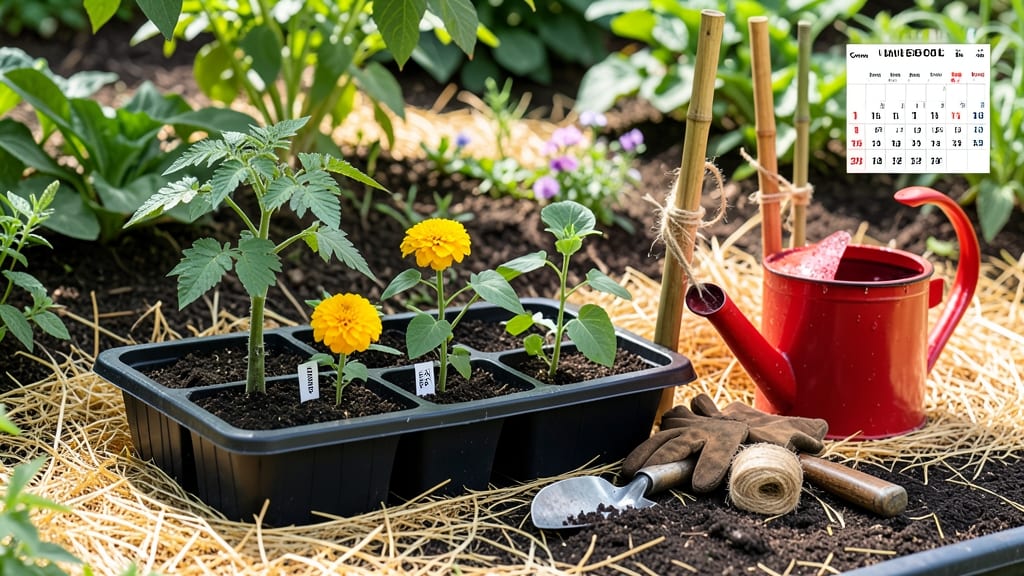
Timing your garden planting in Indiana can mean the difference between a thriving harvest and a frost-nipped disappointment. With USDA Zones 5b-6a and unpredictable spring weather, knowing exactly when to plant your 🌱 General Garden Plants is the key to success.
Most gardeners in Indiana wait until after the average last frost date around April 15 to plant warm-season crops like tomatoes and peppers, but cool-season plants like lettuce and spinach can go in as early as March.
The challenge? Indiana’s microclimates mean your neighbor’s perfect timing might not work for your yard.
In this guide, I’ll break down the exact planting windows for your zone, from frost dates to soil temperature tricks that actually work. No more guessing—just proven strategies to maximize your garden’s potential.
Ready to plant with confidence? Let’s dive into the frost-date cheat sheet that’ll have your garden flourishing all season long.
Indiana planting zones & frost dates by month (2024 guide)
Indiana spans USDA Plant Hardiness Zones 5b through 6a, meaning gardeners here enjoy a moderate climate with distinct planting seasons. The average last spring frost typically arrives between April 15 and May 1, while the first fall frost usually hits around October 15.
These dates create a 165-180 day growing season, perfect for both cool-season and warm-season crops when timed correctly.
Understanding your specific zone matters because northern Indiana (Zone 5b) faces earlier frosts than southern Indiana (Zone 6a). For example, Evansville (Zone 6a) can plant warm-season crops like tomatoes 2-3 weeks earlier than South Bend (Zone 5b).
Always check your exact location using the USDA Interactive Plant Hardiness Map or local Purdue Extension resources for precise guidance.
| Month | Zone 5b (North) | Zone 6a (South) | Cool-Season Crops | Warm-Season Crops |
|---|---|---|---|---|
| March | Start seeds indoors (peppers, tomatoes) | Direct sow peas, spinach, lettuce | Peas, spinach, kale, onions | None (too cold) |
| April | Transplant cool crops; last frost ~April 25 | Transplant cool crops; last frost ~April 15 | Broccoli, cabbage, carrots | Wait until after May 1 |
| May | Plant warm crops after May 15 | Plant warm crops after May 1 | Radishes, lettuce (successive) | Tomatoes, peppers, beans |
| June | Direct sow beans, cucumbers, squash | Direct sow beans, cucumbers, squash | None (heat-sensitive) | Corn, melons, okra |
| July-August | Sow fall crops: kale, spinach | Sow fall crops: kale, spinach | Kale, spinach, Brussels sprouts | Late tomatoes, peppers |
| September | Plant garlic, onions for spring | Plant garlic, onions for spring | Lettuce, radishes, peas | None (frost risk) |
🌱 Pro Tip: Use row covers to extend cool-season planting by 2-3 weeks in spring/fall.
Cool-season crops like lettuce, spinach, and peas thrive when planted 4-6 weeks before the last frost date. In Zone 5b, that means starting seeds in early March for a late April harvest.
For Zone 6a, you can push it slightly later—mid-March—but always monitor soil temperatures. A soil thermometer helps; aim for 40°F+ for cool crops and 60°F+ for warm-season starters like tomatoes.
Warm-season crops such as tomatoes, peppers, and cucumbers need to wait until 2-3 weeks after the last frost. In Zone 5b, that’s typically mid-May, while Zone 6a gardeners can plant by early May.
If you’re eager to get a head start, begin seeds indoors in March under grow lights, then transplant hardened-off seedlings after the frost danger passes.
Indiana’s fall planting window is equally important. Cool-season crops like kale, spinach, and Brussels sprouts can be sown as early as mid-July for a fall harvest before frost. For a winter harvest, plant garlic and onions in September—they’ll overwinter and produce next spring.
Always aim to harvest before the first hard frost, which in Zone 5b can arrive as early as October 10, while Zone 6a often holds until October 25.
Microclimates play a huge role in Indiana gardening. Urban areas like Indianapolis (Zone 6a) may experience 2-3°F warmer soil temperatures than rural northern Indiana. If you’re near a large body of water or in a southern exposure, you can push planting dates 1-2 weeks earlier.
Conversely, valleys and low-lying areas often frost earlier, so err on the side of caution.
For container gardening, remember that pots warm up faster than in-ground soil. You can plant
Best plants to start indoors vs. direct-sow in Indiana’s climate
Indiana’s variable climate makes planting decisions tricky—some plants thrive when started indoors weeks before last frost, while others prefer direct sowing into warm soil.
For example, tomatoes and peppers need a head start indoors to avoid stunted growth, while beans and lettuce can handle cooler soils and often do better when sown directly. The key is understanding each plant’s temperature preferences and growth timeline.
In USDA Zones 5b-6a, Indiana’s average last frost date ranges from mid-April to early May, depending on location.
This means warm-season crops like peppers and eggplants should start indoors 8-10 weeks before last frost, while cool-season crops like spinach and kale can go straight into the garden 4-6 weeks before.
Below, I’ve broken down 14 common plants to help you decide whether to start indoors or sow directly.