
Plants
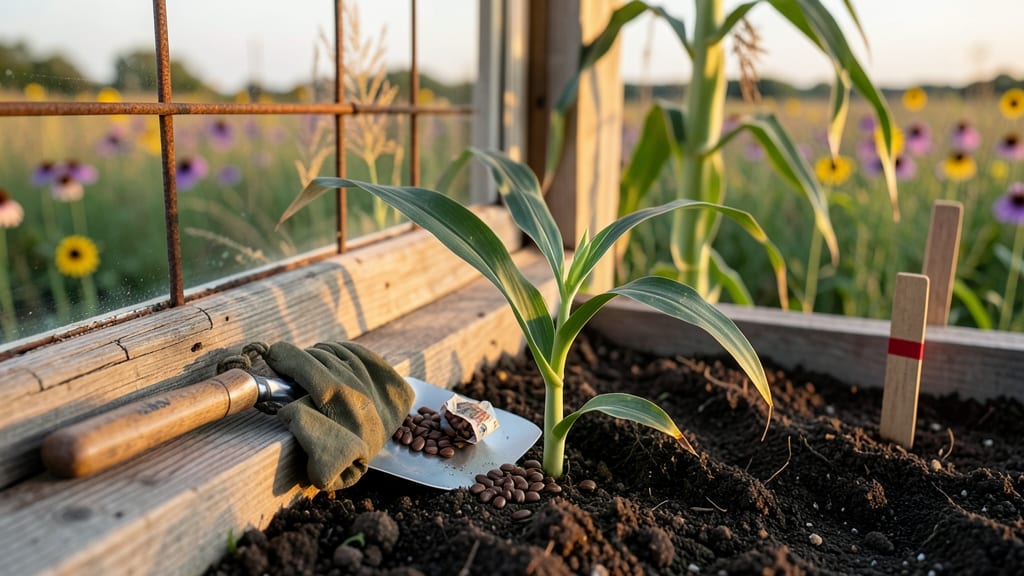
Planting your 🌽 corn at the wrong time in West Virginia could mean the difference between a golden harvest and a sad, wilted disappointment.
The key to success lies in knowing exactly when to put those seeds in the ground—typically between April 15 and May 15, but with critical variations depending on your county and elevation.
If you've ever wondered why some gardeners swear by early spring planting while others wait until late May, it all comes down to soil temperature and frost risk.
In USDA Zone 6a, where West Virginia falls, corn needs warm soil—at least 60°F—to germinate properly, and planting too soon can leave tender seedlings vulnerable to late frosts.
Don’t stress over memorizing exact dates—this guide breaks down the perfect planting window for your specific county, plus smart adjustments for rocky soil, high-altitude areas, and even how to extend your growing season with simple tricks like row covers.
By the end, you’ll know not just when to plant, but how to give your corn the best shot at thriving—so you can enjoy fresh ears straight from your garden come summer. Let’s get started!
West Virginia corn planting dates by last frost date (county breakdown)
West Virginia’s diverse geography—from the Ohio River Valley to the Appalachian Mountains—creates wildly different planting windows for corn. In southern counties like Cabell, warm springs let you plant as early as late March, while high-altitude areas like Pocahontas County may not be frost-free until mid-May.
Getting this timing right ensures your corn thrives, not just survives. Let’s break down the exact frost-date windows and soil temperature thresholds by region so you can plant with precision.
Corn is a warm-season crop that demands consistent temperatures above 60°F and frost-free conditions for at least 90 days to mature. In West Virginia, this means aligning your planting with local last-frost averages while accounting for microclimates—like valleys warming faster than ridges.
For example, Charleston’s last frost typically occurs by April 10, while Elkins’ last frost can linger until May 5. These differences matter because planting too early in cold soil stunts roots, while waiting too long risks early fall frosts cutting the season short.
Here’s the county-by-county breakdown you need to time your corn planting perfectly. This summary table includes last frost dates, ideal planting windows, and soil temperature thresholds to avoid common mistakes like frost damage or poor germination.
For southern counties like Cabell and Putnam, where last frosts average March 25–April 10, you can start planting early-maturing varieties as soon as April 1, provided soil temperatures stay above 60°F.
These areas benefit from longer growing seasons, but watch for late spring frosts—they’re more common than you’d think. Use black plastic mulch to warm the soil faster if needed.
In central regions like Kanawha and Boone, last frosts typically arrive April 1–15, making April 10–May 1 the sweet spot for planting. These areas have a moderate frost risk, so avoid planting before April 10 unless you’re using row covers.
For fast-maturing varieties (like ‘Silver Queen’), you can push the envelope slightly, but standard varieties need the full window.
High-altitude counties such as Pocahontas and Randolph have last frosts as late as May 5–15, which drastically shortens the growing season. Here, soil temperatures must reach 65°F+ before planting, and you’ll want to focus on early-maturing varieties (60–75 days).
Consider successive plantings every 2 weeks to stagger harvests and maximize your yield. These areas also benefit from black plastic mulch or
How to adjust corn planting for West Virginia’s microclimates and soil types
West Virginia’s diverse geography—from the Allegheny Mountains to the clay-heavy river valleys—means your corn’s success hinges on adapting to local conditions. Rocky soils in Pocahontas County drain too fast, while clay-heavy areas like Cabell County hold moisture but suffocate roots.
Even within a single county, a 1,000-foot elevation change can shift your planting window by 2 weeks. Understanding these variations lets you tweak timing, soil prep, and season extension to maximize yields.
Before digging in, test your soil’s drainage and pH. Corn thrives in 6.0–7.0 pH and well-draining soil. Use a simple percolation test: Dig a 12-inch hole, fill with water, and time how long it drains.
If it takes less than 4 hours, your soil drains too fast—amend with compost. If it pools, mix in sand or organic matter to improve aeration. My go-to fix for clay? Raised beds with a 50/50 mix of topsoil and compost.
⚠️ callout warning
Corn seeds won’t germinate below 50°F soil temp, and seedlings die in frost. Even if your last frost date is April 15, wait until soil reaches 60°F (use a soil thermometer for accuracy). In high-altitude zones (e.g., Tucker County), this could mean delaying planting until May 1—don’t rush it!
🌱 Pro Tip: Use black plastic mulch to warm soil 5–10°F faster and extend your season by 2 weeks.
For rocky or shallow soils, prioritize deep-rooted varieties like ‘Country Gentleman’ (110 days to maturity) and plant on mounds or hills to improve drainage. In clay-heavy areas, opt for shorter varieties (e.g., ‘Golden Bantam’, 70 days) to avoid lodging.
My mountain garden hack: Plant corn in south-facing slopes where it gets 2 extra hours of sunlight daily—critical for West Virginia’s shorter growing season.
Extend your season with row covers or cold frames. In northern counties, use floating row covers to plant 2 weeks earlier and delay fall frost by 3 weeks.
For late summers, black plastic mulch raises soil temps and lets you plant a second crop in July (choose fast-maturing varieties like ‘Early Sunglow’, 65 days). Just remove covers when tassels emerge to allow pollination.
Common mistakes to avoid: overcrowding seeds (space corn 12–18 inches apart), skipping soil tests, or planting in low spots where frost lingers. My 2023 lesson: I planted ‘Peaches and Cream’ in a north-facing bed—the stalks grew 3 feet shorter than my south-facing patch.
Always scout your garden for sun exposure and windbreaks before planting.
Finally, monitor soil moisture closely. Clay soils stay soggy longer, while rocky soils dry out fast. Use drip irrigation or soaker hoses to deliver 1–2 inches of water weekly, focusing on the root zone.
Mulch with straw or grass clippings to retain moisture and suppress weeds—critical in West Virginia’s humid summers. With these adjustments, you’ll turn even the trickiest microclimate into a corn-growing goldmine.