
Trees
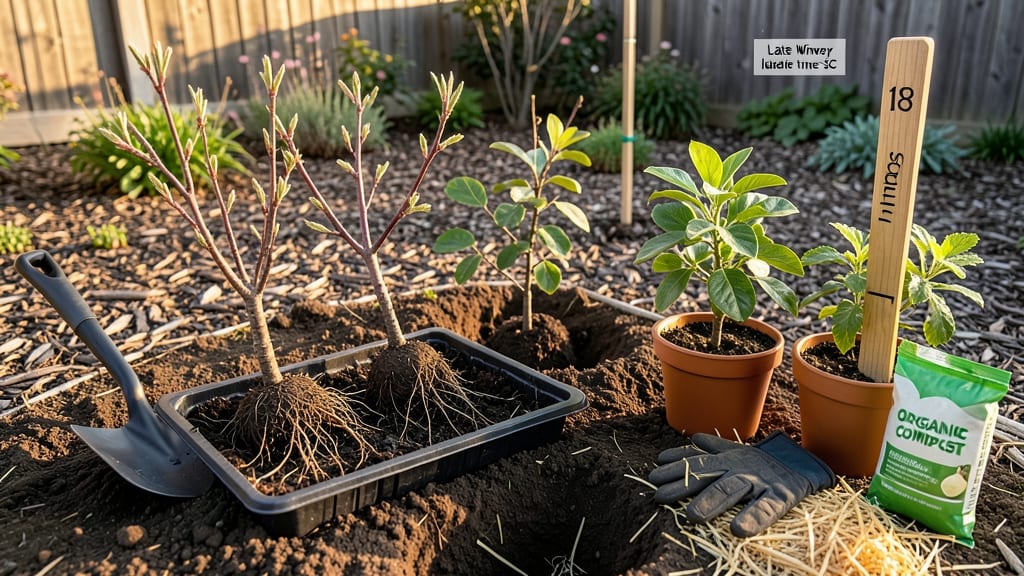
Planting fruit trees in South Carolina at the wrong time can mean the difference between a thriving orchard and a struggling sapling—especially with the state's unpredictable frost patterns and humid summers.
If you've ever wondered why some local growers get perfect fruit yields while others struggle, timing is the key. The best window isn't just about avoiding frost; it's about matching your microclimate—whether you're in the Coastal Plain, Piedmont, or Upstate regions.
I'll break down the exact months to plant bare-root vs. container-grown trees, plus soil prep secrets that work in SC's unique conditions. Let's get your fruit trees off to the strongest start possible.
From peaches in the Piedmont to citrus along the coast, we'll cover what to plant and when—so you can enjoy homegrown harvests for years to come. Ready to dig in?
South Carolina’s fruit tree planting calendar by microclimate zone
South Carolina’s diverse microclimates create perfect conditions for fruit trees—but only if you plant at the right time. The Coastal Plain enjoys milder winters, while the Piedmont and Mountains face earlier frosts. Each zone demands a tailored approach to avoid winter damage or summer stress.
I’ll break down the best months, soil temps, and top varieties for each region to help you time your planting perfectly.
Your planting window hinges on two key factors: soil temperature (ideally 60°F+) and frost-free dates. Coastal areas can plant as early as February, while Mountain regions must wait until April or May.
Bare-root trees thrive in dormant season (late winter), while container-grown trees adapt better to spring planting. Let’s dive into the specifics for each zone.
🌱
| Zone | Best Planting Months | Ideal Soil Temp | Frost-Free Window | Top Varieties |
|---|---|---|---|---|
| Coastal Plain | Feb-Apr (bare-root) Mar-May (container) |
60°F+ | Mar 15 - Nov 15 | Citrus, Fig, Persimmon, Loquat |
| Piedmont | Mar-Apr (bare-root) Apr-May (container) |
55°F+ | Apr 1 - Nov 1 | Peach, Pear, Apple, Blueberry |
| Mountains | Apr-May (bare-root) May-Jun (container) |
50°F+ | May 1 - Oct 31 | Apple, Cherry, Plum, Pawpaw |
🌿 Note: Bare-root trees establish faster in dormant season; container-grown trees adapt better to warmer soil.
In the Coastal Plain, where winters are mild, you can plant citrus trees as early as February—just ensure soil temps stay above 60°F. Varieties like Satsuma mandarins and figs thrive here, but avoid late-season planting after May to prevent heat stress.
The longer frost-free window (March 15 to November 15) gives you flexibility, but prioritize well-draining soil to prevent root rot in humid summers.
For Piedmont gardeners, focus on March-April for bare-root trees like peaches and pears. Soil temps should reach 55°F+, and avoid planting after May 15 to prevent summer drought stress.
The Piedmont’s shorter frost-free window (April 1 to November 1) demands quicker root establishment—mulch heavily to retain moisture. Blueberries are a standout choice here, but they require acidic soil (pH 4.5-5.5).
Mountain regions have the latest planting windows—wait until April-May for bare-root trees and May-June for container-grown varieties. Apples and cherries flourish here, but their shorter growing season (May 1 to October 31) means you’ll need cold-hardy varieties like ‘Liberty’ apple or ‘Montmorency’ cherry.
Test soil temps with a soil thermometer—plant only when they consistently stay above 50°F.
No matter your zone, avoid planting during drought or when soil is waterlogged. Amend clay soils with compost and sandy soils with organic matter to improve moisture retention. Water deeply after planting to encourage root growth, and apply a 2-3 inch mulch layer to protect roots from temperature swings.
In Coastal areas, watch for hurricane season (June-November)—secure young trees with stakes if needed.
🪴
If you’re unsure about your microclimate, check the USDA Hardiness Zone Map (most of SC falls in Zones 7b-8a) and consult your local SC Extension Service for hyper-local advice. For example, Charleston’s Coastal zone (Zone 8a) can handle
Critical factors that determine the best planting time for fruit trees in SC
South Carolina's humid subtropical climate creates unique challenges for fruit tree planting. Unlike northern states, we don't face harsh winters, but our long growing seasons and variable frost patterns require careful timing.
The key is balancing root establishment with heat tolerance—plant too early and roots may suffer from winter chills, too late and summer heat stress becomes a risk.
Your local microclimate plays the biggest role in determining ideal planting windows. Coastal areas like Charleston experience milder winters, while the Upstate can see harder frosts even in spring. Even within 50 miles, frost dates can vary by 2-3 weeks.
Check your USDA Zone (7b-8a) and track last frost dates from reliable sources like the SC Extension Service.
🌱 Key Planting Factors for SC Fruit Trees
Pro Tip: Test soil 2 weeks before planting—ideal temps accelerate root growth by 30%.
Your tree type dramatically affects timing. Bare-root trees (dormant) can handle cooler soils and should be planted during their dormant season—typically December through early April. These trees establish roots before spring growth begins, giving them a 2-3 week head start on container-grown varieties.
Container-grown trees, however, need warmer soil temperatures (50-60°F) to avoid root shock. Aim for February through early March in most of SC, but adjust for your elevation and frost patterns. In the Upstate, wait until mid-March to avoid late frosts that can damage tender new growth.
Don't overlook soil drainage—SC's clay-heavy soils can become waterlogged in winter. Amend with organic matter (compost or pine bark) to improve aeration. For citrus and figs, prioritize well-draining sites to prevent root rot during our humid summers.
A simple percolation test (pouring water on soil and measuring drainage) takes 10 minutes and can save your investment.
Finally, consider your tree's maturity. Younger trees (1-2 years old) establish faster but need more frequent watering during establishment. Mature trees (3+ years) can handle broader planting windows but may require staking if planted in windy areas.
Always water deeply after planting—10-15 gallons for small trees—to encourage root expansion into surrounding soil.