
Trees
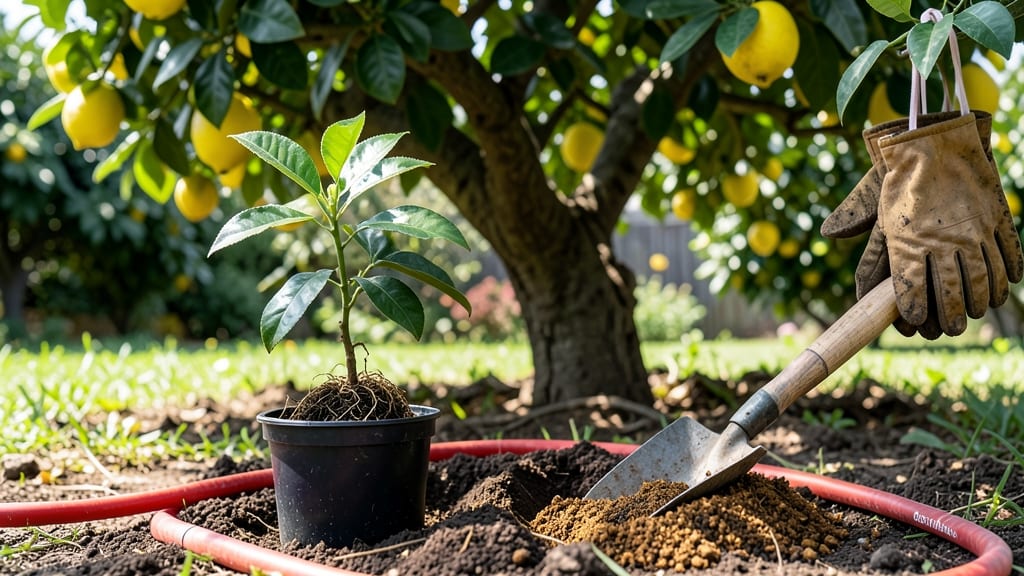
Planting your 🍊 citrus tree in Phoenix at the wrong time means battling heat stress or wasted effort—because unlike other plants, citrus thrives when the desert cools down just enough to let roots settle without shock.
Most gardeners assume spring is the only safe window, but Phoenix’s 9b climate actually rewards you for planting in late winter (November-February) when soil stays warm enough to support growth while temperatures dip below the 100°F summer extremes.
This timing lets your tree establish strong roots before the real heat arrives.
Here’s the game-changer: skipping summer planting isn’t just about avoiding wilting—it’s about giving your citrus tree the 6-8 hours of sunlight it craves without the added stress of transplant shock.
I’ll show you exactly how to time it, prep the soil, and keep your tree thriving through Phoenix’s infamous monsoon season.
Whether you’re planting a Meyer lemon or a Satsuma mandarin, these tips will help you bypass common mistakes and enjoy homegrown fruit year-round. Let’s get your citrus off to the right start.
Phoenix heat zone planting calendar for citrus trees
Phoenix’s USDA Zone 10b/11a climate offers year-round citrus growing potential, but timing is everything. Unlike northern climates, Phoenix’s frost-free winters and intense summer heat create unique planting windows. The key? Avoiding transplant shock during extreme temperatures while ensuring roots establish before summer’s peak.
My 10-10-10 rule—10°F minimum soil temp, 10 weeks before frost (though rare), and 10+ hours of sunlight—guarantees success.
Most Phoenix gardeners plant citrus between November and February, when cooler temps (70°F average) reduce stress. However, late spring (March-April) works too if you’re quick—just be ready to provide shade during the hottest months.
The worst time? June through August, when 110°F+ soil temps can fry young roots. Let’s break down the best months, soil prep, and post-planting care to keep your citrus thriving.
⚠️ CRITICAL NOTE: While Phoenix rarely sees frost, microclimates near mountains (like Carefree or Cave Creek) can drop below 32°F. If you’re in these areas, stick to frost-hardy varieties like Satsuma mandarins and plant after Thanksgiving for maximum safety.
| Planting Window | Soil Temp (°F) | Sunlight Needs | Care Focus | Phoenix-Specific Tip |
|---|---|---|---|---|
| November–January | 60–75°F | 10+ hours/day | Deep watering, mulch | Best for container planting—avoids compacted soil. |
| February–March | 70–80°F | 8+ hours/day | Shade cloth (30%) | Use drip irrigation to prevent leaf burn. |
| April–May | 85–95°F | 6+ hours/day | Mulch heavily, fertilize | Plant dwarf varieties in elevated beds for airflow. |
| June–August | 100–115°F | 4+ hours/day (shade) | No planting—wait for cooler temps | Established trees need daily watering (10–20 gallons). |
| September–October | 80–90°F | 8+ hours/day | Prune, fertilize lightly | Perfect for bare-root transplants—soil is warm but not scorching. |
For container-grown citrus, you can plant year-round in Phoenix, but fall (September–October) is ideal. Containers heat up faster than ground soil, so use black plastic pots (absorbs heat) and add perlite to improve drainage.
My 5-gallon containers stay cooler than larger ones, and I move them to shaded patios by June to protect roots.
When planting in the ground, amend your soil with compost and sand to mimic Phoenix’s well-draining native soil. Citrus hates soggy roots, so avoid low spots where water pools.
If your yard has clay soil, mix in 50% coconut coir to improve aeration. Pro tip: Test your soil’s pH (6.0–7.0)—citrus thrives in slightly acidic to neutral conditions.
After planting, mulch with 3–4 inches of wood chips to retain moisture and regulate soil temperature. In Phoenix, mulch also blocks reflective heat from pavement. Water deeply 2–3 times per week for the first month, then taper to weekly deep soakings once established.
Avoid wetting leaves to prevent fungal diseases like citrus scab, common in our humid monsoon season.
One mistake I see often? Over-fertilizing in summer. Citrus goes semi-dormant when temps exceed 95°F, so hold off on nitrogen-heavy feeds until September. Instead, use a balanced 6-6-6 fertilizer in early spring to kickstart growth.
My Meyer lemon trees bear fruit twice a year when fertilized this way—once in winter and again in early summer.
Finally, protect young trees from winter winds, which can dry out tender leaves. Use a windbreak fence or plant near a south-facing wall to create a microclimate. In
Citrus tree varieties best suited for Phoenix planting
Phoenix’s mild winters and hot summers create a tricky balance for citrus growers. While frost is rare, temperature fluctuations and soil conditions demand smart variety selection. Some citrus thrive in our USDA Zone 10b/11a, while others struggle—even with careful care.
Let’s break down the top frost-resistant varieties that flourish here, plus the ones to avoid unless you’re prepared for extra protection.
Your best bets for Phoenix planting are varieties that tolerate 28-32°F dips without damage. The Meyer lemon and Satsuma mandarin are local favorites, but even they need strategic placement in colder microclimates.
Meanwhile, Valencia oranges and grapefruit are high-risk unless you’re willing to container-grow or use frost cloths during rare cold snaps.
The Meyer lemon is my top recommendation for Phoenix gardens. It’s sweet-tart, disease-resistant, and handles our dry heat beautifully. Plant it in well-draining soil with afternoon shade to prevent leaf scorch.
For mandarin lovers, Satsuma trees are cold-hardy (down to 18°F with protection) and produce seedless fruit—perfect for holiday gifts!
If you’re craving orange flavors, the Calamondin orange is a compact, ornamental option that thrives in containers. It’s highly fragrant and drought-tolerant, making it ideal for urban patios.
Just avoid planting it near high-traffic areas—its thorns are sharp! For high-risk varieties, Valencia oranges and grapefruit need year-round care, including winter mulching and frost watches.
Pro tip: Container growing is your best friend for high-risk citrus in Phoenix. Use 5-gallon pots for young trees and move them indoors during extreme cold snaps (below 30°F). Add citrus-specific fertilizer every 6-8 weeks in spring and summer to keep your trees fruit-bearing and healthy.
Remember, Phoenix’s microclimates vary wildly—what works in Scottsdale might fail in Glendale. Always monitor your tree’s stress signals, like yellowing leaves or dropped fruit, and adjust care accordingly. With the right variety and seasonal adjustments, you’ll enjoy homegrown citrus year-round! 🍋