
Trees
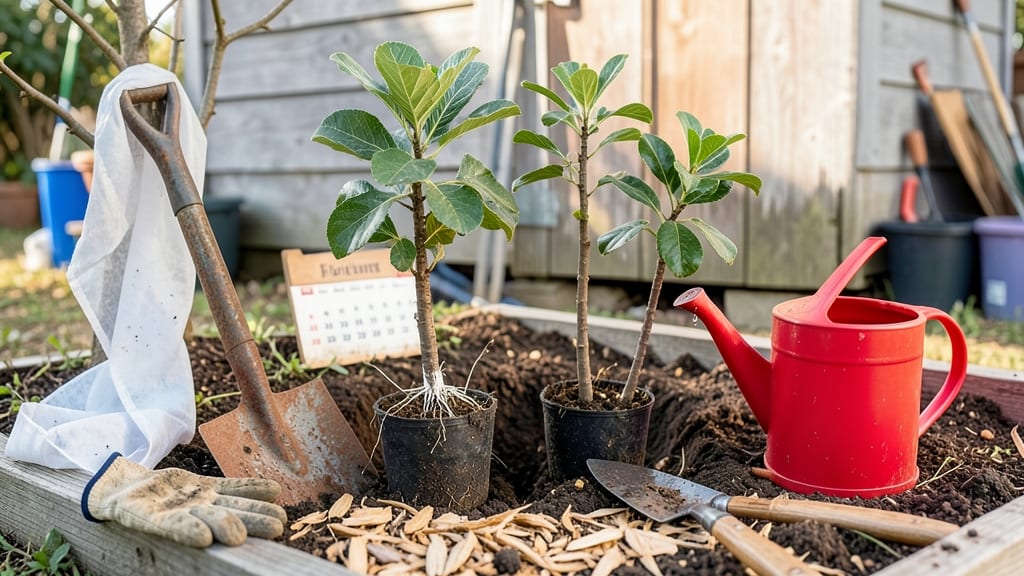
Planting your 🍎 fruit trees at the wrong time in Northern California could mean the difference between a bountiful harvest and a sad, withered sapling.
The key isn’t just picking a season—it’s understanding your county’s unique chill-hour requirements and frost-free windows, which vary wildly from the Bay Area to the Sierra foothills.
Most gardeners assume late spring is the best time, but that’s a recipe for disaster in many parts of the state.
Stone fruits like peaches and plums need to be planted while dormant—between November and February—to avoid frost damage, while citrus thrives when planted in summer to skip the chill.
I’ve spent years studying local microclimates, and what I’ve learned will save you from costly mistakes. Whether you’re in USDA Zone 7b or 9a, I’ll break down the exact planting windows for your region, plus soil prep secrets to help your trees take root faster.
Ready to grow fruit trees that actually produce? Let’s dive into the science—and the shortcuts—that make all the difference in Northern California’s unpredictable climate.
Northern California chill-hour zones explained: matching trees to your county’s climate
Northern California’s diverse microclimates create a puzzle for fruit tree growers. While the Bay Area enjoys 300-500 chill hours, inland valleys like Sacramento need 700-1000+ hours for apples to thrive.
Understanding your chill-hour zone determines which fruit trees will bear fruit—and which will disappoint you with failed blooms or sparse harvests.
Chill hours measure the accumulated winter temperatures between 32°F and 45°F that trees need to break dormancy. A peach tree in Sonoma County (400-500 hours) won’t produce well if planted in Placer County (800+ hours), where it’ll struggle to flower.
Conversely, apples and cherries demand high chill hours, making them poor choices for coastal areas.
Here’s how to decode your county’s chill-hour range and pick the perfect fruit trees for your orchard:
🌱 Key Insight: Use the USDA Plant Hardiness Zone Map as a starting point, but chill hours are the real game-changer for fruit trees in Northern California.
| Chill-Hour Zone | Counties | Best Fruit Trees | Avoid These |
|---|---|---|---|
| 300–500 hours | Marin, San Francisco, Santa Cruz, Monterey | Apricots, Figs, Pomegranates, Low-Chill Peaches | Apples, Cherries, High-Chill Plums |
| 500–700 hours | Sonoma, Napa, Solano, Contra Costa | Peaches, Nectarines, Plums, Persimmons | Standard Apples, European Pears |
| 700–1000+ hours | Sacramento, Yolo, Stanislaus, Placer | Apples, Pears, Cherries, High-Chill Plums | Citrus, Olives, Low-Chill Stone Fruits |
| Transition Zones (e.g., Santa Clara) | Santa Clara, San Benito, Merced | Hybrid Varieties (e.g., ‘Bonanza’ Peach) | Extreme-Chill or Low-Chill Trees |
🌿 Pro Tip: Check your local Cooperative Extension office for precise chill-hour data—microclimates can vary even within a county!
For coastal counties like Marin or Santa Cruz, stone fruits like apricots and low-chill peaches shine. These varieties thrive with 300-500 chill hours and handle the mild winters typical of the Bay Area. Plant ‘Blush’ apricots or ‘Redhaven’ peaches (low-chill selections) for reliable harvests.
Inland areas like Sacramento Valley or the Sierra foothills (700+ chill hours) are perfect for apples and cherries. Varieties like ‘Gala’ apples or ‘Stella’ cherries demand these higher chill hours to set fruit.
If you’re in Placer County, avoid citrus trees—they’ll struggle with winter freezes, even if they love your summers.
Transition zones, like Santa Clara County, require careful selection. Here, hybrid varieties bridge the gap between low- and high-chill needs. Look for ‘Bonanza’ peaches or ‘Flame’ nectarines, bred to handle 500-700 chill hours reliably. These trees are your safety net in unpredictable microclimates.
🌡️ Watch Out: Even within a chill-hour zone, elevation changes can shift requirements. A 1000-foot elevation gain might add 100+ chill hours—so always check local data before planting!
Once you’ve matched your trees to your chill-hour zone, timing your planting window becomes critical. Bare-root trees should go in late fall or winter (November–February) while dormant, while container-grown trees can be planted year-round—just avoid summer heat stress.
Pair this with your frost-free deadlines (next section!), and you’ll set your orchard up for success.
🍎 Final Tip: Start with dwarf or semi-dwarf varieties if space is limited—they adapt well to containers and smaller yards while still delivering big harvests!
Frost-free planting deadlines by county: when to avoid late spring freezes
Northern California’s microclimates create wildly different frost-free windows for planting fruit trees. While coastal areas like Sonoma County may see late-April freezes, inland regions like Shasta County often face May frost risks.
Timing your planting just 10 days too late can mean the difference between a thriving orchard and lost seedlings. Let’s break down the critical deadlines by region to help you avoid frost damage.
To plan safely, check your local USDA Zone (typically 7b-9a in Northern California) and monitor National Weather Service alerts for late-spring frost warnings. Many counties release frost-free date forecasts by early March—bookmark these resources now.
For example, Sacramento’s average last frost date is March 15, while Redding’s can linger until April 15. These dates shift yearly, so flexibility is key.
Here’s your county-by-county guide to frost-free planting deadlines, including the safest last-planting dates for bare-root and container-grown fruit trees:
- 📍 Sonoma County (Zone 9a): Last frost avg. April 15 → Plant by March 20 to avoid late-spring freezes. Coastal areas (e.g., Point Reyes) may be safe until April 30, but inland valleys like Dry Creek are riskier.
- 📍 Napa County (Zone 9b): Last frost avg. April 1 → Aim for February 28 for bare-root trees. Container-grown trees can go until March 15 with frost cloth protection.
- 📍 Sacramento/El Dorado (Zone 8a): Last frost avg. March 15 → Deadline is February 20. High-elevation areas (e.g., Folsom) may need to plant by January 31.
- 📍 Shasta/Tehama (Zone 7b): Last frost avg. April 30 → Plant by March 15 to ensure roots establish before May frost risks. Use row covers if extending to April 1.
- 📍 San Francisco Bay Area (Zone 9a-10a): Last frost rare after March 1 → Safe to plant until April 15, but avoid June gloom heat stress. Ideal window: March 1–April 15.
For container-grown trees, you have slightly more flexibility—up to 2 weeks later than bare-root deadlines—because their roots are already established. However, avoid planting after May 1 in most counties, as summer heat stress becomes a bigger threat than frost.
If you’re in a high-chill zone (e.g., Placer County), prioritize apple or pear varieties that need 500+ chill hours and plant early to meet their dormancy requirements.
Use these deadlines as a starting point, not a rulebook. Check the California Department of Water Resources or your local Cooperative Extension office for real-time updates.
For example, the 2023 late-spring freeze in Madera County caught many gardeners off guard—planting just 10 days late resulted in 30% seedling loss. When in doubt, err on the side of earlier planting and protect young trees with frost blankets or string lights for warmth.
Remember: Frost-free doesn’t mean frost-proof. Even after the official last frost date, radiation frosts can still occur in valleys and low-lying areas. Monitor low-temperature alerts and keep a space heater or wind machine on standby for your nursery area.
With the right timing, your fruit trees will root deeply and reward you with abundant harvests for decades.