
Trees
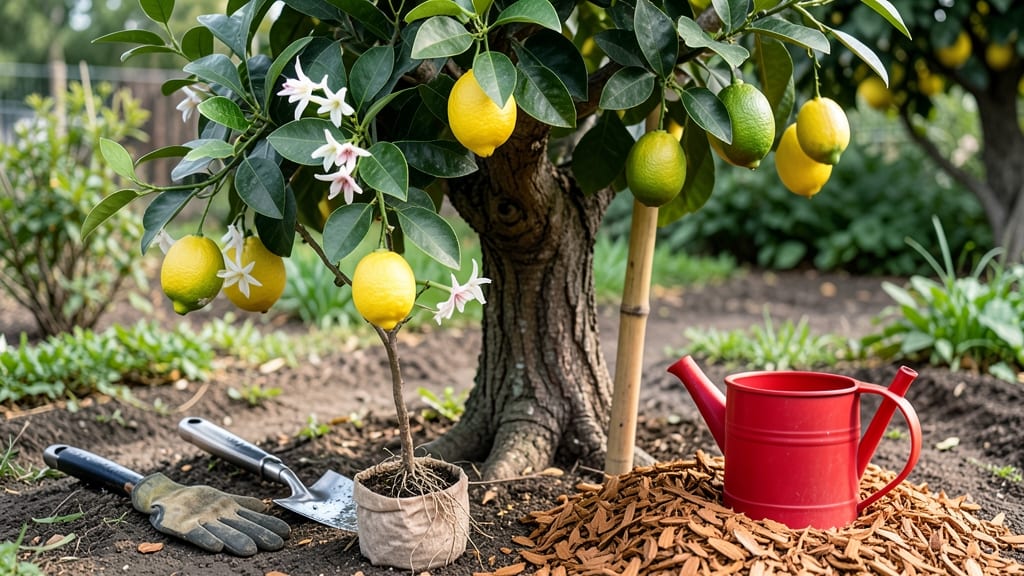
Planting a 🍊 citrus tree in Louisiana might seem straightforward, but timing can make or break your tree's survival—especially when frost sneaks in unexpectedly. The difference between a thriving orchard and a sad, shriveled plant often comes down to those critical weeks when you put it in the ground.
Most gardeners in zones 8a-9b know spring is prime time, but the real secret lies in waiting until after the last frost date—usually around mid-February. Plant too early, and your young tree could face cold damage before roots establish.
Too late, and summer heat might stress it before it's ready to grow.
In this guide, I’ll break down the exact window for planting citrus trees in Louisiana, including how to prepare your soil, choose the right varieties, and protect your investment from the state’s unpredictable frost risks.
Whether you’re planting in containers or directly in the ground, these tips will set your 🍊 citrus tree up for success.
By the end, you’ll know not just when to plant, but how to give your tree the best shot at flourishing year-round—even in Louisiana’s tricky climate. Let’s get started.
Best planting months for citrus trees in Louisiana’s heat zones
Louisiana’s USDA zones 8a-9b offer perfect conditions for growing citrus trees like oranges, lemons, and grapefruits—if you plant them at the right time.
The key is avoiding early spring frosts (which can hit as late as mid-February) while giving roots time to establish before winter chill sets in. March and April are the sweet spots for most of the state, but timing varies slightly between zones.
In Zone 8a (northern Louisiana), where frosts linger longer, aim to plant by March 15 to avoid cold snaps.
Meanwhile, Zone 9b (southern Louisiana) can handle slightly later plantings into early April. Container-grown citrus offers flexibility—you can plant them a few weeks earlier or move them indoors during cold snaps if needed.
Here’s a quick reference for the best planting windows by zone, including soil temperature and frost risk considerations:
For container-grown citrus, you can plant as early as February in Zone 9b or even late into May if using frost cloth. However, in-ground plantings should always wait until soil temperatures stabilize above 60°F to prevent root shock.
Use a soil thermometer to check—citrus roots thrive when soil stays warm.
If you’re in Zone 8a or 8b, consider starting citrus trees in containers indoors in late winter, then transplanting them outdoors after the last frost.
This gives young trees a head start on root growth before summer heat arrives. Meyer lemons and Calamondin oranges are excellent cold-hardy choices for these zones.
One common mistake is planting too early in February, especially in northern Louisiana. Even if the air feels warm, soil temperatures can still dip below 55°F, slowing root growth.
Always check local frost date averages from the National Weather Service or your local Cooperative Extension office for precise timing.
After planting, focus on mulching with 2–3 inches of organic mulch (like pine bark) to insulate roots and retain moisture. Water deeply once a week for the first month to encourage root spread. Avoid overhead watering, which can promote fungal diseases in Louisiana’s humid climate.
Remember, citrus trees in Louisiana can produce fruit year-round, but proper planting timing ensures they’ll thrive for decades. Patience pays off—a well-established citrus tree can bear fruit within 2–3 years if planted correctly. Start with the right month, and you’ll be enjoying homegrown oranges by next winter!
Critical signs your citrus tree is ready for Louisiana planting
Planting a citrus tree in Louisiana at the wrong time can mean wasted effort—or worse, frost damage to delicate roots. The key to success lies in reading your local climate cues and preparing your tree for Louisiana’s humidity shifts and occasional cold snaps.
Unlike northern states, Louisiana’s USDA zones 8a-9b offer a longer growing season, but timing still matters to avoid stress on young trees.
First, focus on the soil temperature, which should consistently stay above 60°F (15°C) for at least a week before planting. Citrus roots thrive in warmth, and cooler soils can stunt growth or invite fungal diseases.
Check the ground temperature with a soil thermometer—this simple tool is your first clue that conditions are ideal.
Next, examine the root health of your citrus tree. Healthy roots should appear white or light tan and firm to the touch. If roots are dark, mushy, or smell sour, your tree may be waterlogged or diseased—wait until conditions improve.
Louisiana’s clay-heavy soils can trap moisture, so amend with compost to improve drainage before planting.
🚨 callout warning ⚠️
⚠️ Avoid These Louisiana Planting Pitfalls
❌ Planting too early (before February 15) risks frost damage to tender roots—Louisiana’s last frost can hit unexpectedly, even in Zone 9.
❌ Ignoring humidity spikes—high humidity in spring can promote fungal growth. Choose well-draining soil and space trees 10-15 feet apart for airflow.
✅ Plant after soil warms (test with a thermometer) and when daytime highs stay above 65°F consistently.
Don’t overlook the seasonal humidity shifts that signal the perfect moment. In Louisiana, humidity often drops in late winter as winds shift, creating drier conditions—ideal for root establishment. Listen for drier mornings and warmer nights, which reduce transplant shock.
If you’re planting in coastal areas, aim for early March; inland regions can wait until late February.
Finally, check your tree’s foliage and growth stage. New leaves should be bright green and slightly waxy, indicating active growth. Avoid planting trees that are dormant or stressed, as they’ll struggle to adapt to Louisiana’s heat and humidity.
If your tree is already flowering, delay planting until after the blooms fade—this ensures energy goes to root growth, not fruit production.
Once you’ve confirmed all signs align—warm soil, healthy roots, and ideal humidity—your citrus tree is ready to thrive in Louisiana’s climate. With the right timing, you’ll set the stage for years of frost-free harvests and lush growth. 🍊