
Plants
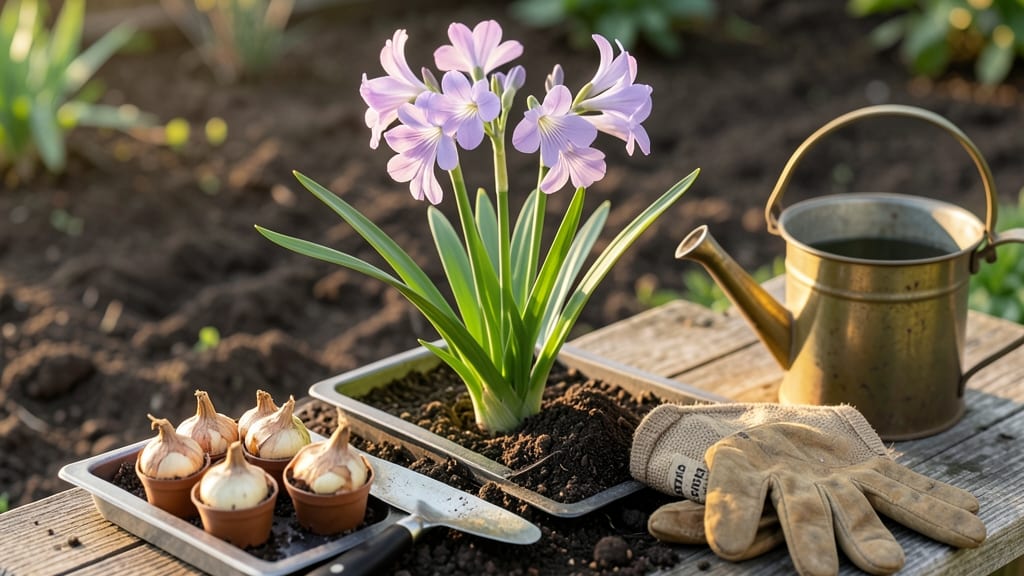
Timing your freesias 🌸 just right in Melbourne can mean the difference between a fragrant spring garden and a missed opportunity—because planting too early risks frost damage, while waiting too long might delay those showstopping blooms.
If you've ever wondered why some gardens burst with color while others struggle, the answer often lies in the autumn planting window.
Melbourne’s unique microclimates—from coastal breezes to inland warmth—create the perfect conditions when you plant freesias between March and May, ensuring they establish strong roots before winter sets in.
I’ve learned the hard way that freesias thrive when planted 4-6 weeks before your first frost, which in Melbourne usually lands around mid-August. That means late winter to early spring is your sweet spot for getting those corms in the ground without worrying about sudden cold snaps.
In this guide, I’ll walk you through exactly when to plant, how to prep your soil, and the simple care steps that’ll have your freesias blooming like clockwork next season—no guesswork required.
Optimal freesia planting months in Melbourne’s climate zones
Melbourne’s climate creates unique challenges for gardeners, especially when planting freesias. Unlike other regions, Melbourne’s coastal and inland microclimates can shift planting windows by weeks.
The key to success lies in understanding soil temperature thresholds—typically 12–15°C (54–59°F)—and avoiding late frost risks that linger in inland areas until early May.
For coastal Melbourne (e.g., St Kilda, Brighton), the safest planting window stretches from mid-March to early April. Warmer ocean breezes moderate temperatures, reducing frost risk.
In contrast, inland zones (e.g., Bendigo, Castlemaine) often wait until late April to early May when soil has fully warmed and frost warnings have passed.
Here’s a quick reference for your region’s ideal planting window:
| Zone | Best Planting Window | Soil Temp Threshold | Frost Risk |
|---|---|---|---|
| Coastal (e.g., St Kilda, Brighton) | Mid-March to early April | 12–15°C (54–59°F) | Low (ocean moderates temps) |
| Inland (e.g., Bendigo, Castlemaine) | Late April to early May | 14–16°C (57–61°F) | Moderate (late frosts possible) |
| Peninsula (e.g., Mornington, Frankston) | Early March to mid-April | 11–14°C (52–57°F) | Very low (warmer microclimate) |
Planting too early—before soil temperatures reach 12°C (54°F)—can stunt root growth, while waiting too long risks crowded blooms or missed seasonal displays. Use a soil thermometer to confirm readiness, especially in inland areas where cooler nights delay warming.
Melbourne’s first frost typically arrives between mid-August and early September, but inland zones can experience late frosts as late as early May. If you’re in a high-risk area, opt for container planting—easy to move indoors if frost warnings appear.
For coastal gardeners, aim to plant by late March to ensure 90–120 days of growth before Melbourne’s spring blooming peak (September–October). Inland gardeners should delay until after Labour Day weekend (early May) to align with warmer soil conditions.
Pro tip: Pre-warm your soil in cooler zones by covering beds with black plastic mulch for 2–3 weeks before planting. This raises soil temps by 2–3°C, creating an earlier planting window for freesias.
Melbourne’s autumn rainfall (March–May) also plays a role. If your area experiences dry spells, supplement with 1–2 inches of water per week to prevent dormant corms from drying out before roots establish.
Finally, choose early-blooming varieties like ‘Blue Bird’ or ‘Red Beauty’ for coastal zones, as they tolerate slightly cooler soils. Inland gardeners should select ‘Golden Ratio’ or ‘Mammoth’—hardier types that thrive in warmer, later-planted conditions.
With these adjustments, your freesias will burst into fragrant blooms just as Melbourne’s spring gardens come alive—timed perfectly for Mother’s Day or ANZAC Day celebrations. 🌸
Step-by-step guide to planting freesias for Melbourne gardens
Timing is everything when planting freesias in Melbourne’s cooler autumn months. These fragrant flowers thrive when planted between March and May, giving their roots time to establish before winter’s chill.
I’ve planted freesias in my garden for years, and this timing ensures vibrant spring blooms that last until summer. The key? Well-prepared soil and proper spacing to prevent overcrowding.
Start by selecting plump, firm freesia corms—avoid any that feel soft or shriveled, as these won’t thrive. Melbourne’s well-draining soil is crucial, especially in coastal areas where clay can trap moisture.
If your soil is heavy, mix in sand or perlite to improve drainage. I always add a handful of compost to enrich the soil before planting, giving my freesias a nutrient boost.
Step-by-Step Planting Guide
- Choose a sunny spot with 6+ hours of sunlight—freesias love light but tolerate partial shade in hotter inland areas.
- Dig holes 3–4 inches deep, spacing corms 2–3 inches apart in rows. This prevents overcrowding and allows airflow.
- Place corms pointy end up, covering them with soil. Gently water to settle the soil without displacing the corms.
- Apply a 2-inch layer of mulch (straw or bark) to retain moisture and insulate roots during Melbourne’s cooler nights.
- Water deeply once a week in autumn, reducing to bi-weekly once growth slows in winter. Avoid soggy soil—freesias hate root rot!
After planting, protect freesias from frost if Melbourne’s winter surprises you with early chills. A light covering of hessian or fleece works wonders. I’ve also found that planting near shrubs or walls provides extra shelter.
Once spring arrives, you’ll see slender green shoots emerging—this is when regular watering and a balanced fertilizer (like 10-10-10) kickstarts blooming.
Freesias reward patience with clusters of trumpet-shaped flowers in shades of purple, pink, and white. To prolong their beauty, deadhead spent blooms and avoid overwatering once flowering starts. In my garden, freesias bloom from September to November, adding a burst of color just as Melbourne’s weather warms up.
With the right care, your freesias will become a fragrant centerpiece for years to come.
Pro tip: If you’re in Melbourne’s coastal areas, plant slightly earlier (late March) to take advantage of milder temperatures. Inland gardeners should wait until early April to avoid unexpected frost. Either way, freesias are low-maintenance once established—just give them love, light, and good drainage!
🌸