
Flowers
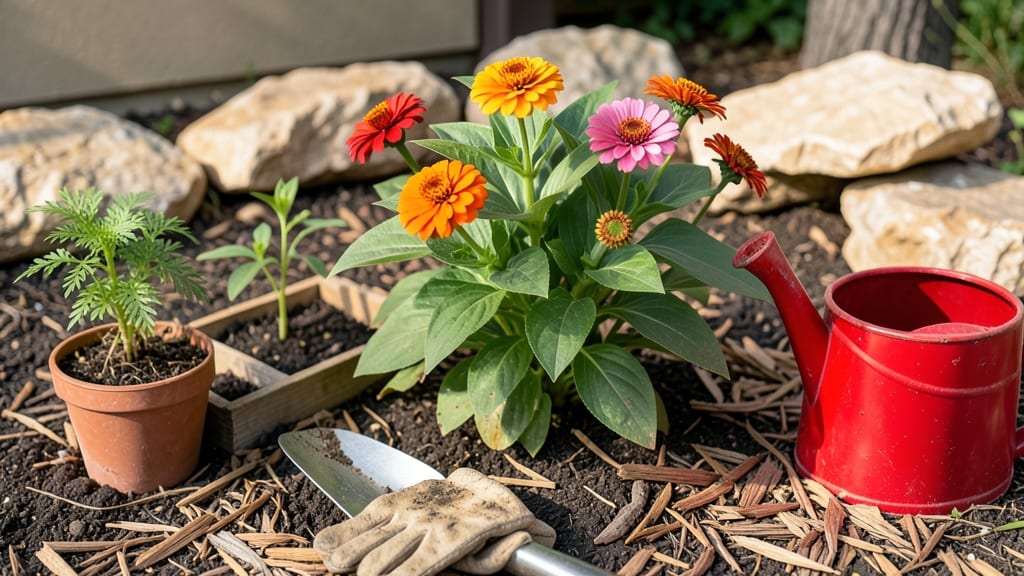
Planting flowers in San Antonio at the wrong time can mean wilting blooms before they even begin—or worse, losing them to sudden heat or frost.
The key to a thriving garden here lies in understanding when to plant flowers so they take root just as the weather shifts in their favor.
With Zone 8a summers that hit 100°F and winters that rarely dip below freezing, timing matters more than most gardeners realize. Whether you're dreaming of vibrant spring petunias or hardy fall marigolds, the right schedule ensures your 🌸 stay lush and colorful all season long.
I’ve tested what works in San Antonio’s unique climate—from Hill Country’s cooler evenings to urban areas where pavement radiates heat. You’ll discover the best months for planting annuals, perennials, and bulbs, plus how to adjust for microclimates that can shift planting windows by weeks.
Ready to skip the guesswork? Let’s dive into the exact planting calendar that’ll give you blooms from March through November—no matter where you garden in the Alamo City.
Best flower planting schedule by season in San Antonio
San Antonio’s Zone 8b/9a climate offers a long growing season, but timing is everything. Late frosts can still hit in February-March, while summer heat (often 95°F+) demands heat-tolerant varieties. My schedule balances these extremes, ensuring vibrant blooms year-round with minimal stress on your plants.
For spring planting, focus on February-March after the last frost date (typically mid-March). This gives tender annuals like petunias and impatiens time to establish before summer’s intensity. Meanwhile, fall planting (September-November) capitalizes on cooler temps and 6-8 weeks before first frost for established roots.
| Season | Best Planting Months | Flower Types | Key Tips |
|---|---|---|---|
| Spring | February-March | Annuals (marigolds, zinnias), cool-season perennials (pansies, snapdragons) | Wait until soil warms to 60°F+; mulch to retain moisture. |
| Summer | June-July | Heat-tolerant annuals (portulaca, lantana), bulbs (dahlias) | Plant in late afternoon to avoid transplant shock; shade cloth helps. |
| Fall | September-November | Bulbs (tulips, crocus), perennials (black-eyed Susans), cool-season veggie flowers (nasturtiums) | Aim for 6-8 weeks before first frost; water deeply before rains arrive. |
| Winter | December-January | Cold-hardy annuals (pansies, sweet alyssum), spring bulbs (daffodils, hyacinths) | Protect with mulch; avoid wet soil to prevent rot. |
In spring (February-March), prioritize cool-season annuals like pansies and snapdragons, which thrive in 50-65°F soil. For perennials, divide clumps in early spring before new growth begins. My trick? Plant marigolds alongside veggies to deter pests naturally.
Summer planting (June-July) demands heat-loving varieties. Portulaca and lantana handle 100°F+ with ease, while dahlias need well-draining soil to avoid root rot. Always plant after 6 PM to reduce stress from afternoon heat.
Fall is my favorite season for bulbs and perennials. Tulips and crocus planted in October-November will reward you with early spring blooms. For annuals, choose kale or stock, which tolerate light frosts and add winter interest.
Winter (December-January) isn’t just for dormant plants. Pansies and sweet alyssum bloom cheerfully in 40-50°F, while spring bulbs like daffodils should be planted by January 10 for reliable blooms. A 2-inch layer of mulch protects roots from temperature swings.
San Antonio’s microclimates matter—Hill Country areas stay cooler, while urban zones can be 5°F hotter. Adjust planting by 1-2 weeks if your yard is shaded or exposed. For example, impatiens may need extra shade cloth in full-sun urban spots.
Pro tip: Use soil thermometers to check temperatures before planting. Most flowers need 60°F+ soil to thrive. In Zone 8b/9a, this usually means waiting until mid-March for spring plantings.
With this schedule, your garden can burst with color from February through November. Start with one season’s plants, then expand as you master the timing. Happy planting!
Top 5 heat-tolerant flowers for San Antonio’s summer garden
San Antonio’s summer heat can turn your garden into a wilting wasteland if you’re not careful—but not with these heat-tolerant superstars! When temperatures soar past 90°F, these five flowers thrive while others struggle.
Whether you need drought-resistant powerhouses or shade-loving survivors, this list ensures your garden stays vibrant all season long. The key? Proper spacing, mulching, and morning watering to keep roots cool.
First up are Lantana, Zinnias, and Portulaca—the holy trinity of San Antonio summer blooms. These three handle full sun like champions, requiring minimal water once established. Pair them with Salvia for hummingbird visitors and Gaillardia (blanket flower) for nonstop color that laughs at the heat.
All five are native-friendly or drought-tolerant, making them perfect for water-wise gardens.
🌡️ Pro Tip: Plant these in late winter (February) or early spring (March) to give roots time to establish before the real heat arrives. Avoid transplanting during peak summer—start from seeds or buy established plants at local nurseries like San Antonio Garden Center or The Natural Gardener.
Their roots will thank you!
🌿 Top 5 Heat-Tolerant Flowers for San Antonio
- 🌼 Lantana – Thrives in full sun, drought-resistant, blooms nonstop in pink/yellow/orange. Height: 1–3 ft, Spacing: 12–18 in apart.
- 🌻 Zinnias – Easy-care annuals with bold blooms; attract butterflies. Height: 1–4 ft, Water: Deep soak 2x/week in heat.
- 🌵 Portulaca (Moss Rose) – Succulent-like, thrives in poor soil, blooms all day long. Height: 4–12 in, Bonus: Edible petals!
- 💜 Salvia (Autumn Sage) – Drought-proof, attracts hummingbirds, fragrant foliage. Height: 2–4 ft, Light: Full sun to partial shade.
- 🌺 Gaillardia (Blanket Flower) – Heat-loving perennial, blooms red/yellow all summer. Height: 1–2 ft, Soil: Well-draining.
💧 Care Tip: Mulch with 2–3 inches of straw to retain moisture and block weeds. Water deeply at dawn to prevent fungal issues.
For shadier spots (like under oak trees), opt for Salvia or Gaillardia—both tolerate partial shade while still blooming like crazy. If your garden gets scorching afternoon sun, Portulaca and Zinnias are your best bets for zero-fuss survival.
And don’t forget: Deadhead spent blooms weekly to encourage continuous flowering through fall!
One common mistake? Overwatering in the heat. These flowers hate soggy roots—let soil dry 2–3 inches deep between waterings. A 5-gallon bucket of water 2x/week is plenty for established plants.
Pair your heat lovers with native grasses like Muhly Grass for a low-maintenance, high-impact San Antonio garden that wows without the work.
🌞 Final Thought: With these five heat-proof picks, your summer garden will be a blooming oasis—not a sad, wilted mess. Plant them now, sit back, and enjoy the nonstop color while your neighbors sweat over their struggling petunias!
For extra resilience, add a thin layer of compost at planting time to boost root health.