
Flowers
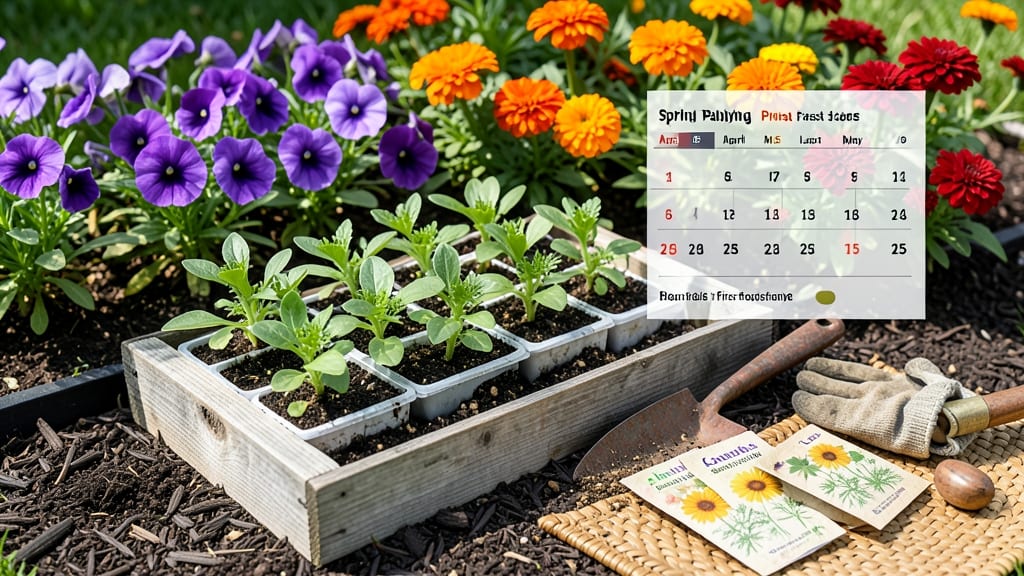
Timing when to plant flowers in Philadelphia just right can mean the difference between a vibrant garden and a sad, wilted disappointment.
With frost dates that shift yearly and summer heat that can stress young plants, knowing when to plant isn’t just helpful—it’s essential for success in USDA Zone 7a. Whether you’re dreaming of spring tulips or fall mums, getting the timing wrong could leave your garden looking half-hearted.
Most gardeners in Philly focus on the March-May window for spring planting, but the real magic happens when you account for soil temperatures and last frost dates—typically around April 15.
But here’s the twist: fall planting (September-October) often gives flowers a head start on growth before winter sets in, giving you stronger blooms next season. I’ll break down exactly when to plant each type of flower, so you never miss a beat.
Let’s cut through the guesswork. You’ll learn the critical deadlines for annuals, perennials, and bulbs, plus how to adjust for Philly’s microclimates—whether you’re in the city’s urban heat islands or the cooler suburbs.
No more second-guessing whether your 🌸 flowers will thrive or wither. Ready to turn your garden into a showstopper? Let’s get started.
Spring flower planting deadlines in Philadelphia by hardiness zone 6b-7a
Philadelphia’s hardiness zones 6b-7a create a unique challenge for gardeners—late frosts can linger until mid-April, while summer heat arrives early. Missing your planting window means risking stunted growth or frost damage.
The key is understanding soil temperature thresholds (typically 50-60°F) and local frost-free averages (April 15 in most areas).
For annual flowers, timing is everything. Start cool-season varieties like pansies and snapdragons as early as late February (under frost protection), while heat-lovers like marigolds and zinnias should wait until after Memorial Day.
Perennials and bulbs have more flexibility but still need careful scheduling to avoid root rot from soggy spring soil.
🌱
| Plant Type | Ideal Planting Window | Soil Temp Threshold | Last Safe Date | Heat-Tolerant Varieties |
|---|---|---|---|---|
| Cool-Season Annuals | Late Feb - Early April | 40-50°F | April 15 (avg.) | Pansies, Violas, Snapdragons |
| Warm-Season Annuals | After May 15 | 60°F+ | June 1 (safe) | Marigolds, Zinnias, Petunias |
| Perennials | March - Early May | 50°F+ | May 10 (late) | Coneflowers, Black-Eyed Susans |
| Spring-Blooming Bulbs | September - November | 60°F+ (fall) | N/A (fall-planted) | Tulips, Daffodils, Hyacinths |
| Container Flowers | April 15 - May 15 | 55°F+ | June 1 (late) | Geraniums, Coleus, Begonias |
Philadelphia’s urban microclimates add another layer of complexity. Areas near the Schuylkill River or Delaware River often warm up faster than inland neighborhoods, giving you a 1-2 week advantage for planting. Use this to your advantage by starting heat-sensitive annuals like impatiens a few days earlier in these zones.
For bulbs, timing is critical but often misunderstood. While spring-blooming varieties (like tulips) should be planted in fall, summer-blooming bulbs (such as dahlia tubers) need to wait until after the last frost—typically mid-May. Plant them too early, and they’ll rot in cold soil.
🌷
If you’re planting perennials, prioritize early spring (March-April) to give roots time to establish before summer heat. Daylilies and hostas are excellent choices—they tolerate Philly’s humidity and soil variability better than many other perennials.
For annuals, consider succession planting: Start a second batch of basil flowers or cosmos in early July for late-summer blooms.
Pro tip: Monitor soil temperature with a soil thermometer—most flowers need soil to stay above 50°F for at least 7-10 days before planting. In Philly, this usually aligns with late April, but
Fall planting advantages for Philadelphia gardens: best flowers to start after Labor Day
Fall planting often gives Philadelphia gardeners an edge over spring planting. Cooler soil temperatures, reduced pest pressure, and fewer weeds create ideal conditions for flowers to establish strong roots before winter. Plus, many hardy annuals and perennials thrive when planted in September or October, delivering vibrant blooms well into winter.
Unlike spring, when unpredictable frost and heat waves can stress young plants, fall offers a gentler transition. Flowers planted after Labor Day benefit from consistent moisture and cooler air, reducing transplant shock. With the right varieties, you can enjoy colorful gardens from late fall through early spring—even under snow!
Top Fall-Planted Flowers for Philadelphia Gardens
- Pansies: Plant September 15–October 15 for winter blooms. Thrives in partial shade and tolerates light frost. Ideal for containers and borders.
- Mums (Chrysanthemums): Best planted September 1–October 15. Choose hardy varieties like 'Autumn Joy' for extended color. Needs full sun and well-draining soil.
- Asters: Sow September 1–October 1. Loves sunny spots and attracts pollinators. Perfect for wildflower gardens.
- Sweet Alyssum: Plant September 15–October 15. Fragrant blooms thrive in cool weather and partial sun. Great for edging and containers.
- Calendula: Start September 1–October 1. Edible petals and disease-resistant. Prefers full sun and regular watering.
- Snapdragons: Plant September 1–October 15. Tall varieties add height to fall arrangements. Needs well-draining soil.
For perennials like coneflowers and black-eyed Susans, fall planting gives roots time to establish before spring growth. These plants often bloom earlier and with more vigor when planted in autumn. Just be sure to water deeply after planting and apply a light layer of mulch to protect roots.
Philadelphia’s USDA Zone 7a climate means first frost typically arrives around November 15. To maximize success, aim to plant 6–8 weeks before frost. This window ensures flowers have enough time to root before winter dormancy. For tender annuals, consider using row covers for extra protection.
Don’t overlook bulbs like tulips and daffodils for fall planting. Plant them October 1–November 1 for stunning spring blooms. Their deep roots benefit from cooler fall soil, making them more resilient to summer heat. Mix bulbs with fall flowers for a seamless transition from autumn to spring color.
Fall planting isn’t just about timing—it’s about strategic variety selection. Choose flowers that thrive in cool-season conditions and align with your garden’s sun exposure. With the right approach, your Philadelphia garden can stay vibrant long after summer fades.