
Plants
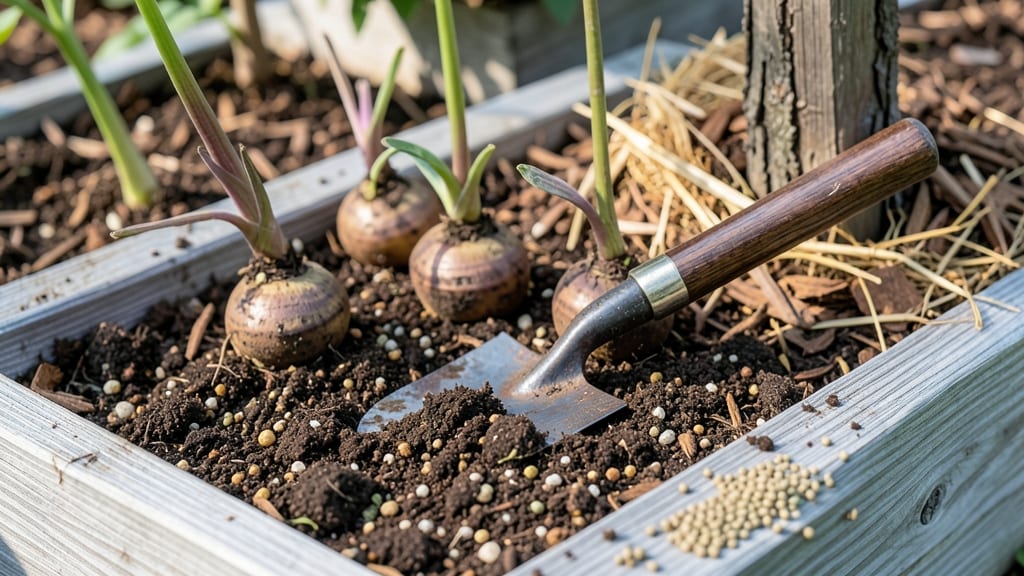
Planting dahlia tubers in Michigan isn’t just about waiting for spring—it’s about catching that perfect frost-free window when your 🌼 blooms will thrive. Too early, and a late frost can wipe out your progress; too late, and you’ll miss the summer-long show of color you’ve been dreaming of.
Most Michigan gardeners aim for mid-April to mid-May, but the real secret lies in soil temperature. Tubers need the ground to warm to at least 60°F—a rule that aligns with Michigan’s 5b-6b USDA zones and keeps your dahlias from rotting in cold, damp earth.
In this guide, I’ll break down exactly when to plant based on your region—whether you’re in Detroit, the Upper Peninsula, or somewhere in between—and how to prep your tubers for success. No more guesswork, just blooms that last from July to frost.
Ready to turn your garden into a dahlia paradise? Let’s get those tubers in the ground at the right time—and keep them flourishing all season long.
Michigan’s ideal soil temperature & frost-free window for dahlia tubers
Dahlias (🌼) are one of my favorite summer bloomers, but Michigan’s unpredictable spring frosts make timing critical. Planting too early risks frost damage, while waiting too long cuts your blooming season short. The key? Waiting until soil reaches 50–60°F consistently—this triggers tuber growth and avoids rot.
Michigan’s frost-free window varies 10–20 days between regions. Southern areas like Detroit and Ann Arbor typically see their last frost around April 15–20, while the Upper Peninsula can linger until May 10–20. Always check your local USDA Zone (5b–6b) for precision.
🌱 Pro Tip: Use a soil thermometer to confirm temps—surface temps can be misleading. Dahlias need warm roots to thrive, so don’t rush planting just because air temps are mild.
| Region | Avg Last Frost | Ideal Planting Window | Soil Temp Goal | Notes |
|---|---|---|---|---|
| Southern MI (Detroit, Ann Arbor) | April 15–20 | May 1–15 | 55–60°F | Warmest zone; plant early May |
| Central MI (Grand Rapids, Lansing) | April 25–May 5 | May 10–25 | 50–55°F | Moderate risk of late frost |
| Upper Peninsula (Marquette, Houghton) | May 10–20 | May 25–June 10 | 50–58°F | Coolest zone; wait for warm soil |
If your spring is warmer than average, you might plant as early as late April in southern Michigan. But if frost warnings linger, delay until May 1—better late than sorry! Use row covers or cold frames to protect young shoots if late frosts threaten.
For early blooms, start tubers indoors in March (place in a cool, dark spot until sprouts appear). Once soil warms, transplant after last frost—this gives you a 2–3 week head start on neighbors.
💧 Watering Tip: After planting, keep soil consistently moist (not soggy) to encourage root establishment. Dahlias hate wet feet, so amend heavy clay soils with compost or sand for drainage.
In late springs (like 2021’s frost in May), extend your window by chitting tubers indoors—place them in pearlite or vermiculite and keep at 60–65°F until shoots emerge. Transplant once soil hits 50°F.
🌡️ Soil Temp Test: Stick your finger 2 inches deep—if it feels warm to the touch, it’s ready. Cold soil = rot risk for tubers. Mulch with straw or shredded leaves to retain heat after planting.
Remember: Dahlias need 6–8 hours of sun daily to bloom. In northern Michigan, choose south-facing beds for maximum light exposure. With the right timing, you’ll enjoy summer-long color from July to frost!
How to prepare dahlia tubers for Michigan’s unpredictable spring weather
Michigan’s spring weather can be as unpredictable as a dahlia’s growth cycle—one day it’s 60°F, the next it’s 32°F. To give your tubers the best head start, I start prepping them indoors 6-8 weeks before the last frost date.
This way, they’ll be ready to hit the garden when soil temps finally cooperate, especially in cooler regions like Traverse City or Marquette.
First, inspect your tubers for any soft spots or shriveling, which signal rot. Trim away damaged areas with a clean knife, then let them dry for a day. Store them in a cool, dark place (like a basement) until you’re ready to start chitting.
This step is crucial—it jump-starts growth so your dahlias aren’t playing catch-up when summer arrives.
Step-by-Step: Chitting & Hardening Off Dahlia Tubers
- Step 1: Place tubers eye-side up in a shallow tray filled with moist perlite or potting mix. Cover with a plastic bag to retain humidity.
- Step 2: Set the tray in a bright, warm spot (70–75°F). Shoots should emerge in 2–4 weeks.
- Step 3: Once shoots are 2–3 inches tall, remove the plastic and move the tray to a sunny windowsill for hardening off.
- Step 4: Gradually expose tubers to outdoor conditions over 7–10 days: start with 1 hour/day, then increase.
- Step 5: Plant outdoors only when soil temps hit 60°F and nighttime temps stay above 45°F.
Pro Tip: In Grand Rapids or Detroit, wait until mid-May to plant—late frosts are common!
After hardening off, it’s time to plant. In southern Michigan, where springs warm faster, you might plant by late April. But in the Upper Peninsula, hold off until early June—those tubers need warmth to thrive.
Bury them 4–6 inches deep, spacing them 12–18 inches apart, and water deeply to settle the soil.
To protect young shoots from late frosts, I use row covers or cloche tunnels until the danger of frost has passed. In Traverse City, this can mean waiting until mid-June—patience is key!
Mulch heavily with straw or shredded leaves to insulate roots and retain moisture, which is especially important in Michigan’s clay-heavy soils.
Once planted, keep an eye on soil moisture—dahlias hate soggy roots but also struggle in drought. Water deeply once a week (or more in heatwaves) and fertilize lightly with a balanced 5-10-10 mix when buds form.
With this prep, your dahlias will burst into color just in time for Michigan’s summer festivals.
Remember, every microclimate in Michigan is different. If you’re near Lake Michigan, cooler lake breezes may delay planting by a week or two. Trust your local frost data and adjust—your dahlias will thank you with bold blooms all season! 🌼