
Flowers
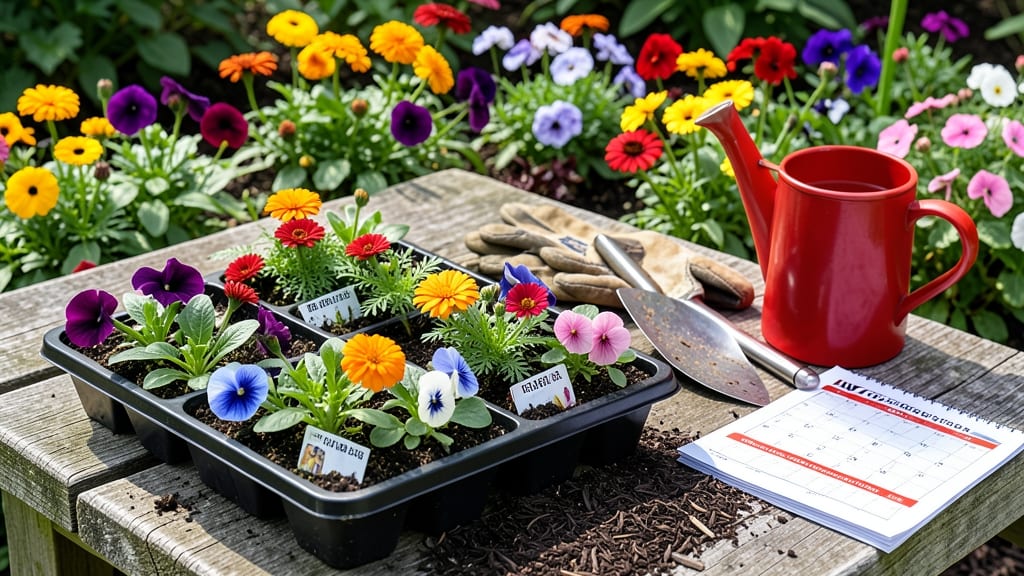
Planting flowers in NY at the wrong time can mean the difference between a garden bursting with color and one that never quite takes off. With frost dates shifting from April 15 in NYC to May 1 in Buffalo, timing is everything for zero-frost success and vibrant blooms.
I’ve spent years watching gardens thrive—and fail—based on when those first seeds hit the soil. Whether you’re planting 🌸 annuals for summer splashes or hardy perennials to return year after year, getting the timing right is the key to avoiding frost damage and stunted growth.
In this guide, I’ll break down the exact planting windows for NY’s 5b-7b zones, from late April to early June for spring blooms and late August to early September for fall planting.
You’ll also learn how to prep your soil, spot microclimate differences (like NYC’s urban heat islands vs. Upstate’s cooler nights), and avoid common mistakes that derail even the most eager gardeners.
Ready to transform your garden into a year-round showstopper? Let’s dive into the seasonal secrets that’ll keep your flowers blooming like clockwork—no frost mishaps included.
NY planting zones explained: when to plant flowers by last frost dates
New York spans USDA Hardiness Zones 5b through 7b, creating dramatic differences in frost timing from NYC’s Zone 7b to Buffalo’s Zone 6a. These zones dictate when to plant flowers—whether you’re tucking in tulip bulbs in fall or sowing marigold seeds in spring.
Getting the timing wrong can mean wilted petals or stunted growth from late frosts. Let’s break down the last frost averages and ideal planting windows for each zone.
In Zone 5b (northern NY), the average last frost date is around May 15, while Zone 7b (NYC area) typically sees its last frost by April 15. These dates shift your spring planting window by nearly a month!
For fall planting, aim to get seeds or bulbs in the ground 6-8 weeks before first frost—usually by late August to early September.
For spring planting, wait until the soil reaches at least 50°F and nighttime temperatures stay above 40°F consistently. In Zone 7b, you can start annual flowers like marigolds as early as mid-April, but Zone 5b gardeners should wait until late May to avoid frost damage.
Always check your local National Weather Service for 10-day forecasts before planting tender annuals.
Fall planting offers a second chance to add color! Cool-season flowers like pansies and snapdragons thrive when planted 6-8 weeks before first frost.
In NYC (Zone 7b), this means late August to early November, while northern NY (Zone 5b) should aim for late August to early September. Bulbs like tulips and
Best flowers to plant in NY by season: spring vs. fall timing guide
Timing is everything when it comes to planting flowers in New York’s variable climate. The wrong window can mean frost damage or stunted growth, while perfect timing unlocks lush blooms from spring to fall.
I’ve tested these strategies in my own garden—here’s what works best for cold-hardy perennials, heat-loving annuals, and spring bulbs.
Spring planting in NY kicks off after the last frost date, which varies from mid-April in NYC to early May upstate. Fall planting, however, offers a second chance to establish roots before winter.
The key is understanding which flowers thrive in each season—and how to prep your soil for success.
- 1 Spring Planting (April–May): Cold-hardy perennials like peonies and lavender go in after last frost. Annuals such as marigolds and zinnias love warm soil—wait until nighttime temps stay above 50°F.
- 2 Fall Planting (August–September): Bulbs like crocuses and hyacinths need 6–8 weeks to root before winter. Perennials like black-eyed Susans can handle cooler temps—plant by mid-September in NYC.
- 3 Soil Prep Tip: Amend clay-heavy NY soil with compost or aged manure 2–3 weeks before planting. Aim for pH 6.0–7.0 for most flowers—test your soil for accuracy.
- 4 Watering Window: After planting, water deeply to settle roots. Spring needs consistent moisture; fall plants need less water as temps drop—tapering off by October.
- 5 Mulch Matters: Apply 2–3 inches of mulch around perennials in fall to insulate roots. Skip mulching spring annuals until after germination to avoid rot.
For spring bloomers, I swear by tulips and daffodils—plant bulbs in October for early spring color. In my Zone 6b garden, these bulbs push through snow for March blooms. Pair them with annuals like petunias, which thrive in containers and extend your season.
Fall is my favorite time to plant perennials like coneflowers and sedum. Their deep roots establish before winter, giving them a head start in Zone 5–7. I’ve seen sedum survive -20°F winters with minimal care—just mulch and water before the ground freezes.
Pro tip: Use row covers for early spring plantings to shield tender annuals from late frosts. I’ve saved marigolds and cosmos this way in May when temps dip unexpectedly. And always harden off seedlings before transplanting to avoid shock.
Remember, NY’s microclimates matter. A NYC garden might be 5°F warmer than upstate—adjust your timing accordingly. With these strategies, you’ll enjoy continuous blooms from April through October, no frost damage in sight! 🌷