
Plants
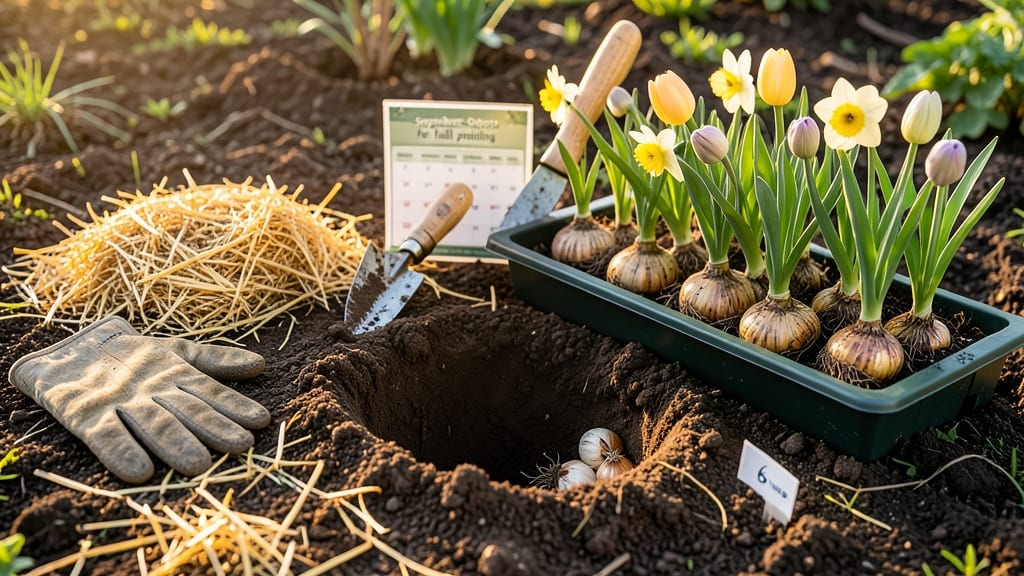
Planting bulbs at the wrong time in Iowa can mean the difference between a showstopping spring garden and a total flop. The key to vibrant blooms lies in understanding your hardiness zone—whether you're in chilly Zone 5a or slightly milder 5b—and aligning your planting with Iowa's first frost dates.
Most gardeners know fall is ideal, but did you know early October is your best window for spring-flowering bulbs like tulips and daffodils? Planting too early risks rot, while waiting too long means bulbs won't establish roots before winter.
I'll break down the exact months for both fall and spring planting, plus how to check soil conditions to avoid common mistakes.
What separates successful Iowa bulb plantings from failed ones? It's not just about timing—it's about soil temperature, frost forecasts, and even your local microclimate.
I'll show you how to adjust for early vs. late frosts and which bulbs thrive best in Iowa's climate, so you can confidently dig in and grow a garden that pops.
Ready to transform your yard with zero-frost blooms? Let's dive into the exact schedule, soil prep tips, and post-planting care that'll have your bulbs thriving year after year—no guesswork required.
Iowa bulb planting calendar by hardiness Zone (zones 4-6)
Iowa’s hardiness zones 4-6 create distinct windows for planting spring-flowering bulbs like tulips and daffodils versus fall-planted varieties such as hyacinths and crocuses. In Zone 4 (northern Iowa), frost arrives earlier, while Zone 6 (southern Iowa) enjoys slightly later planting dates.
Understanding these differences ensures your bulbs establish roots before winter’s chill sets in.
Most fall-planted bulbs need 6-8 weeks before the ground freezes, while spring-planted bulbs should go in 4-6 weeks before last frost. Iowa’s average first frost ranges from October 15 in Zone 6 to October 1 in Zone 4, making timing critical.
Let’s break down the exact months for each zone to maximize bloom potential.
For Zone 4 gardeners, prioritize fall planting in September—this gives bulbs time to root before first frost.
In Zone 6, you can extend planting into early November, but avoid waiting past November 15 to prevent rot. Spring planting follows a similar pattern: start earlier in Zone 4 and later in Zone 6.
Adjust for microclimates—urban areas may freeze 1-2 weeks earlier than rural zones. Use a soil thermometer to confirm 50°F (10°C) soil temps before planting in spring. In fall, aim for 60°F (16°C) or cooler to trigger dormancy without stressing the bulbs.
Plant tulips and daffodils in fall for spring blooms, but hyacinths and crocuses thrive when planted in late fall. In Zone 5, this means October 15 is your sweet spot.
Dig 6 inches deep for standard bulbs, 4 inches for smaller varieties, and add compost to improve drainage.
If you miss fall planting, spring is your backup—just plant 2-3 weeks earlier than your last frost date. For example, in Zone 4, plant by April 15; in Zone 6, you can stretch to May 1.
Water deeply after planting to settle the soil and encourage root growth.
In northern Iowa (Zone 4), early September is ideal for hardy bulbs like daffodils, which tolerate colder soil. In southern Iowa (Zone 6), late October works for tender bulbs like hyacinths. Always check local frost forecasts—a 3-day frost warning means it’s time to plant!
After planting, mulch with straw to insulate bulbs in winter. Remove mulch in early spring to prevent rot from excess moisture. In Zone 5, this means March 1 is your target for mulch removal.
Watch for squirrels digging up bulbs—bury them deeper or use chicken wire cages if needed.
Timing isn’t just about months—it’s about soil conditions. Test your soil’s drainage first: bulbs rot in soggy soil. Amend with sand or perlite if your garden holds water. For clay-heavy soils common in Iowa, planting on mounds improves airflow and prevents waterlogging.
Pro tip: Mark your bulb planting dates on a calendar with frost alerts. Use color-coded stickers—red for Zone 4, blue for Zone 6—to track progress. With this schedule, you’ll enjoy vibrant blooms year after year, no matter where in Iowa you garden. 🌱
5 Critical factors that determine your bulb planting window in Iowa
Timing your bulb planting in Iowa isn’t just about checking a calendar—it’s about understanding how soil temperature, frost forecasts, and even your yard’s microclimate shift the perfect window.
In Zone 4 (north Iowa), early frosts can strike by October 15, while Zone 6 (south Iowa) might wait until November 1. These differences mean the gap between ideal planting dates can be 3-4 weeks, and one wrong move risks bulb rot or failed dormancy.
First, soil temperature is your best friend. Most bulbs need the ground to cool to 50-60°F before planting—this signals them to start rooting. Use a soil thermometer to check; if it’s above 60°F, wait a week.
In rural areas, soil cools faster than in urban heat islands, where pavement delays cooling by 5-7 days. This microclimate shift alone can throw off your entire schedule.
Next, bulb hardiness changes everything. Tender bulbs like dahlias or gladiolas need to go in the ground after the last frost (early May in most of Iowa), while hardy bulbs like tulips and daffodils thrive when planted in fall.
Even within hardy bulbs, crocuses can handle earlier planting than hyacinths, which need cooler soils to prevent premature sprouting.
Don’t overlook microclimates—your yard isn’t uniform. A south-facing slope might warm up 5-7 days faster than a north-facing garden bed, while urban heat islands can delay soil cooling by a full week.
If you’re unsure, plant a test bulb in both locations and adjust next year based on sprouting success. Even a 10-foot difference in elevation can shift your ideal planting date by 3-5 days.
Finally, soil drainage is non-negotiable. Bulbs planted in waterlogged soil rot within weeks, even if timed perfectly. If your yard has clay soil, mix in compost or coarse sand to improve drainage.
In years with excessive rainfall, consider planting 2 weeks earlier to give bulbs time to establish roots before winter saturation sets in.
Master these five factors, and you’ll nail your bulb planting window—no more frost-damaged dreams or missed blooms. Start with a soil thermometer, check your local frost dates, and observe your yard’s quirks. With the right timing, your Iowa garden will burst into color year after year. 🌷