
Flowers
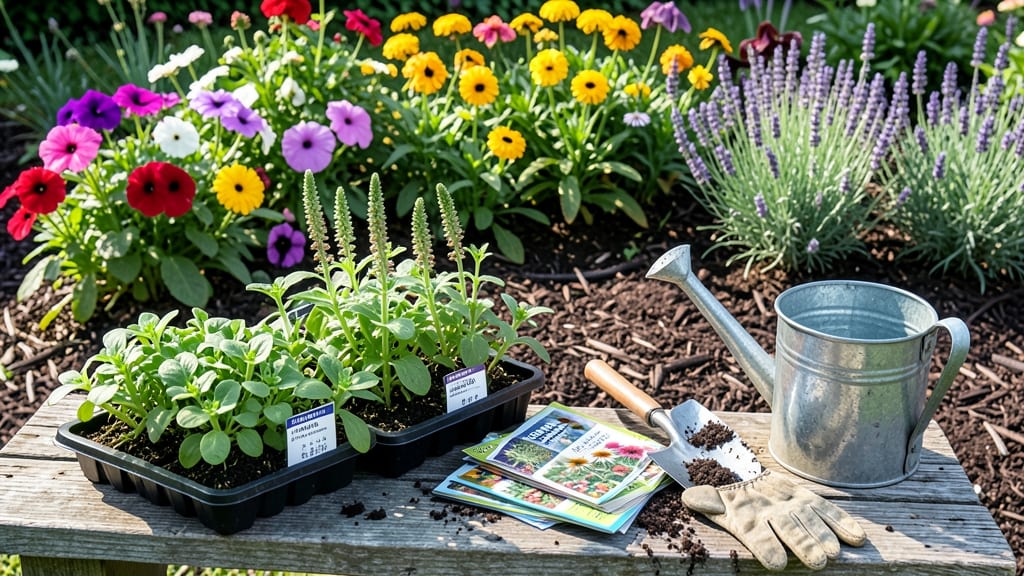
Timing your flower planting in Boise, Idaho, can feel like a guessing game—one wrong move and frost zaps your blooms before they even peek through the soil. The key to vibrant 🌸 gardens here lies in understanding exact planting windows that match Boise’s 6b zone and its fickle frost dates.
Most gardeners in Boise wait until after the last frost (around April 15) to plant annuals, but perennials and cold-hardy varieties can go in as early as March. The trick? Adjusting for microclimates—urban heat islands stay warmer, while valley floors can linger cold longer.
In this guide, I’ll break down the perfect months for every flower type, from frost-proof tulips to heat-loving petunias, plus pro tips to stretch your blooming season without risking frost damage.
Whether you’re a first-time gardener or a seasoned green thumb, these strategies will help you avoid common mistakes and enjoy a garden bursting with color all season long.
Boise’s frost-free planting calendar: exact months by flower type
Boise’s USDA Zone 7a/b climate means your flower planting schedule hinges on avoiding late spring frosts (April 15–May 1) and preparing for early autumn frosts (October 15–20).
Cold-hardy varieties like tulips and peony thrive when planted in early spring, while heat-sensitive petunias and geraniums need to wait until after the last frost date.
For annual flowers, the safest window is mid-May to early June, giving them time to establish roots before summer heat. Perennials, however, benefit from early spring planting (March–April) or late summer (August–September) to strengthen their root systems before winter.
Bulbs like daffodils and crocuses should be planted in fall (September–October) to naturalize and bloom early next spring. Meanwhile, tender perennials such as canna lilies must wait until after June 1 to avoid frost damage.
If you’re eager to extend your blooms, consider container gardening for heat-sensitive plants. Containers warm up faster in spring, allowing you to plant petunias or geraniums 2–3 weeks earlier than in-ground beds. Just be prepared to move them indoors or under cover if frost threatens.
For late-season blooms, focus on frost-resistant varieties like asters or Russian sage, which can handle light frosts and add color well into October. These plants are perfect for Boise’s short growing season and will reward you with late-season beauty.
Always test your soil before planting—Boise’s alkaline soil (pH 7.5–8.5) may require amendments like peat moss or compost for acid-loving plants like hydrangeas. A simple pH test kit (available at local nurseries) will guide your soil prep efforts.
Mulching is another game-changer for Boise gardens. Apply 2–3 inches of mulch around perennials and bulbs to retain moisture and insulate roots during temperature swings. Organic mulches like straw or wood chips also improve soil health over time.
Finally, keep an eye on Boise’s microclimates. Urban areas like Downtown stay warmer than rural spots, allowing for earlier plantings of heat-loving flowers. Conversely, higher elevations (e.g., Meridian) may experience later frosts, so adjust your schedule accordingly.
With this frost-free planting calendar, you’ll transform Boise’s unpredictable climate into an advantage—ensuring vibrant blooms from spring to fall. Happy gardening! 🌸
Microclimate-specific planting adjustments for Boise gardens
Boise’s diverse geography creates three distinct planting zones that can shift your flower planting window by up to 3 weeks. Urban heat islands near downtown can be 5–10°F warmer than foothill gardens, while valley floors often experience later spring frosts.
Understanding these microclimates helps you avoid frost damage while maximizing bloom time.
Container gardens—especially on patios or rooftops—heat up faster than in-ground beds, allowing you to plant heat-loving annuals like zinnias 2 weeks earlier in spring. Meanwhile, north-facing in-ground beds in the foothills may need to wait until mid-May for safe planting.
Row covers can bridge these gaps by extending both early spring and late fall planting by 3–4 weeks.
For container gardens, choose heat-tolerant varieties like lantana or verbena, which thrive in the warmer microclimates created by pots. These plants can handle Boise’s urban heat while still producing vibrant blooms.
Just remember to water containers daily during summer heat waves—they dry out 3x faster than in-ground beds.
If you’re planting perennials in cooler foothill pockets, opt for cold-hardy natives like blanket flower or columbine. These varieties establish roots early and rebloom reliably despite late frosts. For annuals, use row covers until May 15 to protect tender seedlings from unexpected 28°F nights.
Pro tip: Monitor your local Boise weather station (like the NWS Boise office) for frost advisories. Even a single night below 32°F can kill heat-sensitive annuals. Use frost cloth or burlap sacks to shield young plants during critical frost windows in April and October.
By adjusting your planting schedule based on Boise’s microclimates, you’ll enjoy longer bloom seasons and healthier plants. Start with container gardens for early color, then expand to in-ground beds once frost risk passes. Your garden will thank you with bold, continuous blooms all summer long! 🌸