
Plants
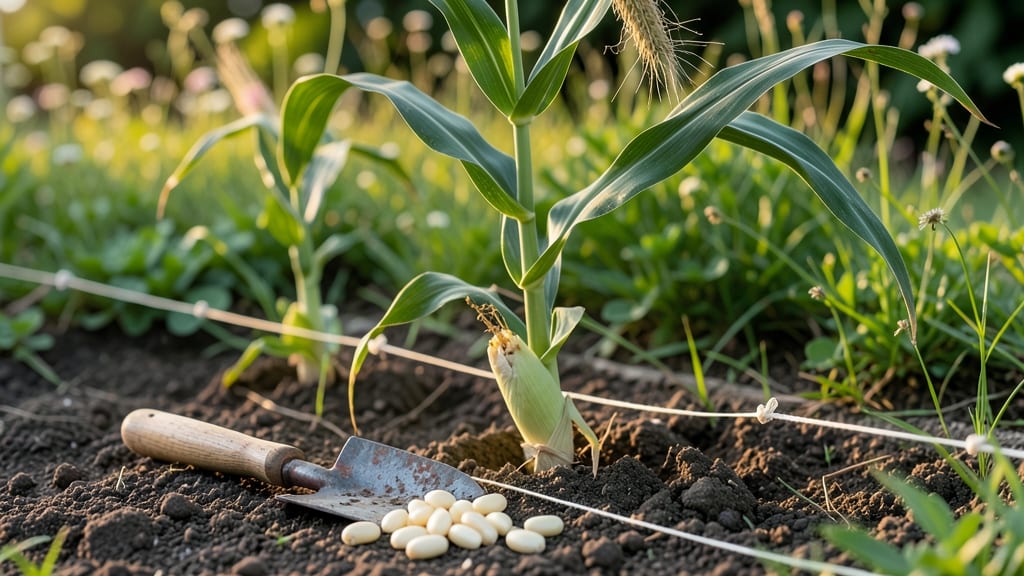
Timing your corn planting in Idaho isn't just about the calendar—it's about outsmarting frost, heat, and microclimates that can turn your 🌽 dreams into a gamble.
Plant too soon, and a late frost will nip your seedlings in the bud; wait too long, and your harvest shrinks before it even starts. The key? Understanding your USDA zone and local frost patterns to lock in the perfect window for your specific corner of the state.
Most Idaho gardeners swear by mid-April to early June as the ideal range, but that’s a broad brushstroke—your exact dates depend on whether you’re in Boise’s 7b warmth or the cooler 5b foothills near McCall.
Soil temperature matters just as much as the calendar, and I’ll show you how to test it (hint: it needs to hit 50°F+ consistently).
Here’s what you’ll discover: the exact planting schedule for Idaho’s 5 microclimate zones, plus pro tips to adjust for Idaho’s wild swings—like using row covers to buy time in chilly springs or choosing heat-tolerant varieties for early June plantings. No more guessing games, just data-backed dates to maximize your harvest.
Ready to grow corn that thrives? Let’s break down the step-by-step timeline tailored to your backyard’s unique conditions, so you can go from soil to silks with confidence—and maybe even outpace your neighbors’ yields this season.
Idaho corn planting dates by microclimate Zone (with frost risk charts)
Idaho’s 5 USDA hardiness zones (3A–7B) create wildly different planting conditions. In Zone 7B (Treasure Valley), you can plant sweet corn as early as mid-April, while Zone 3A (northern panhandle) waits until late May. The key? Soil temperature must stay above 50°F for 7+ days before planting.
Each zone has unique frost risks.
Southern Idaho sees last frosts by April 15, but northern areas can experience frost until May 15. Field corn (like Pioneer 39T23) needs 120+ heat units after planting, while sweet corn (like Silver Queen) thrives with 90–110 heat units.
Use this microclimate guide to pick your planting window. For example, Boise (Zone 6B) plants in late April, while Moscow (Zone 5A) waits until early May. Elevation matters: Add 1–2 weeks to planting dates for areas above 5,000 feet.
Pro Tip: Test soil temperature with a soil thermometer—corn roots won’t grow below 50°F. If temps dip, use black plastic mulch to warm the soil 5–10°F faster.
For 10 Idaho cities, check local frost data via the Idaho Master Gardeners Association or Almanac’s Frost Calculator. For example, Pocatello (Zone 6A) has a 30% frost risk after April 20, while Burley (Zone 7A) drops to 10% risk by March
How to adjust planting dates for Idaho’s unpredictable weather patterns
Idaho’s weather can shift faster than a mountain breeze, leaving gardeners scrambling to protect their corn crops. Sudden frost in May or early heatwaves in April throw off even the most experienced growers.
The key to success? Flexible planting strategies that account for soil temperature, elevation changes, and 7-day forecasts before committing to your schedule.
For example, Boise’s USDA Zone 6b might see last frost dates around April 20, while Zone 4a in northern Idaho could still face frost until May 15. These differences mean your planting window could vary by 3 weeks—so planning ahead is critical.
I’ll show you how to adjust using soil warming, seedling hardening, and backup dates for each zone.
Corn planted after June 1 in Idaho’s shorter growing zones (5a-6a) risks immature harvests before frost. Use fast-maturing varieties (60-75 days) or row covers to extend the season. Never plant corn after June 15 in Zone 5a—yields will be minimal.
Start by warming your soil 2-3 weeks before your target planting date. Lay down black plastic mulch 1-2 weeks prior to trap heat—this raises soil temps by 5-10°F, helping seeds germinate faster.
For high-elevation areas (like Zone 4a), combine black plastic with clear plastic tunnels to create a greenhouse effect. Test soil temps with a soil thermometer; corn seeds need 50°F+ for consistent germination.
If a cold snap threatens your seedlings, use row covers or frost blankets to protect young plants. Harden off seedlings by exposing them to outdoor conditions for 2-3 hours daily, increasing time gradually.
This toughens stems so they can withstand temperature swings of 10°F or more—a common Idaho occurrence. For Zone 6b-7b, consider a second planting in early June for a staggered harvest.
Create a 7-Day Weather Watch checklist before planting: monitor high-pressure systems (which often bring cold air), check NOAA frost predictions, and avoid planting if nighttime temps dip below 45°F.
Use this backup schedule by zone: - Zone 3a-4a: Plant May 15-30 (last resort) - Zone 5a-5b: Plant May 1-15 (backup) - Zone 6a-7a: Plant April 20-May 5 (primary)
For elevation adjustments, subtract 1 week of planting time for every 1,000 feet above 3,000 ft. For example, if your garden sits at 5,000 ft, delay planting by 2 weeks compared to valley zones.
Always choose drought-tolerant varieties like ‘Bodyguard’ or ‘Silver Queen’—they handle Idaho’s unpredictable rainfall better than standard hybrids.