
Plants
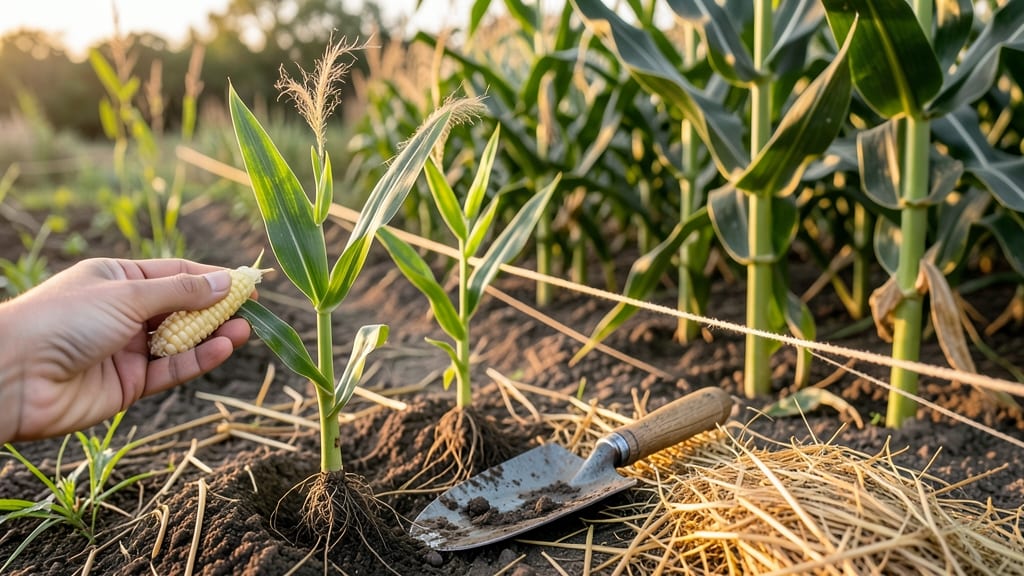
Planting field corn 🌽 at the wrong time in North Carolina can mean the difference between a thriving harvest and wasted effort—soil temperatures and frost-free dates vary dramatically across counties. If you've ever stared at seed packets wondering when to start, you're not alone.
The ideal window is surprisingly narrow, and getting it wrong can lead to stunted growth or even total crop failure.
Most gardeners in USDA Zones 7a-8b should aim for mid-April to early May, but timing depends on your exact location. Coastal areas like Wilmington have earlier frost-free dates, while the Mountains may need to wait until late April.
I'll break down the exact soil temperature thresholds you need to hit for successful germination—60°F+ is non-negotiable—and how to adjust for early versus late varieties.
Beyond dates, there are common mistakes that even experienced growers make—like planting too shallow or ignoring soil prep. I've seen firsthand how a few extra weeks of warm soil can turn a mediocre crop into a bumper harvest.
Let me show you exactly how to time your planting for maximum yields, including county-specific adjustments and pro tips for extending your growing season.
Ready to grow field corn that rivals the pros? Whether you're a beginner or a seasoned gardener, these insights will help you avoid costly errors. Let's get those seeds in the ground at the perfect moment for your North Carolina location.
North Carolina field corn planting dates by soil temperature zones
Field corn thrives in North Carolina's warm climate, but timing is everything—soil temperatures below 50°F delay germination, while late frosts after planting can devastate seedlings. The state's USDA Zones 7a-8b create dramatic regional differences, from the Mountains' cooler springs to the Coastal Plain's earlier warm-ups.
I'll break down the exact planting windows by county groups so you can align your variety with local conditions.
North Carolina's frost-free dates range from mid-March in the Coastal Plain to late April in the Mountains. Most field corn varieties need 90-120 days to mature, so planting too late risks immature harvests before frost.
The key is waiting for consistent soil temps above 60°F—use a soil thermometer to confirm readiness. I've organized planting dates by three regional groups with similar climates.
🌽 IMPORTANT: Early varieties (90-day) can handle cooler Mountain regions, while late varieties (120-day) need the longer Coastal Plain summers. Always check your seed packet for days to maturity and count backward from your area's first frost date (typically mid-October).
| Region | County Examples | Last Frost | Ideal Planting Window | Soil Temp Threshold | Best Varieties |
|---|---|---|---|---|---|
| Mountains | Haywood, Ashe, Mitchell | Late April | Mid-May to early June | 60°F+ (wait for warm nights) | Early maturing (90-day) |
| Piedmont | Wake, Guilford, Forsyth | Mid-April | Late April to mid-May | 55°F+ (germinates at 50°F) | Medium (100-110-day) |
| Coastal Plain | New Hanover, Brunswick, Sampson | Early March | Mid-April to early May | 50°F+ (earlier warm-up) | Late (110-120-day) |
⚠️ Pro Tip: Use black plastic mulch to warm soil 2-3 weeks earlier in cooler zones.
For Mountain counties, I recommend starting seeds indoors in late March and transplanting after last frost. The Piedmont region offers the most flexibility, with late April to mid-May being ideal for direct sowing.
In the Coastal Plain, you can plant as early as mid-March if soil temps stay above 50°F, but be prepared for hurricane risks that may delay harvests.
Always test your soil pH (ideal range: 6.0-7.0) and amend with compost before planting. Field corn is heavy-feeding, so apply balanced fertilizer at planting and again when plants reach 6 inches tall.
In drought-prone areas, use drip irrigation to maintain 1-2 inches of water weekly during tasseling (when pollen sheds).
If you're in a transitional zone like the Sandhills (Moore County), split your planting: 20% early (late April) and 80% mid-May to stagger harvests and reduce frost risk. For organic growers, cover seeds with straw mulch to retain moisture and prevent crusting that blocks germination.
Watch for soil-borne diseases like Fusarium if planting too early—cool, wet soils create perfect conditions. In warmer years, you might push planting to early June for a fall harvest, but expect smaller ears due to shorter daylight.
Always rotate crops to prevent corn borer infestations, which are worse in monoculture fields.
Use a planting calendar to track heat units (growing degree days) for your county—NC State Extension provides free tools to calculate when your variety will mature. For example, Burpee's Silver Queen (110-day) needs 2,500 heat units, while Early Sunglow (90-day) only needs 2,000.
Adjust your planting date if your area's average heat units fall short.
Finally, save seeds from your best ears for next year—hand-pollinate by shaking tassels over silks on dry, windless days to ensure uniform maturity. Store dried ears in paper bags at 50°F or below for up to 3 years.
With the right timing, your field corn can reach 10 feet tall and produce
How to adjust planting timing for early vs. late corn varieties in NC
North Carolina's diverse climate means 90-day early corn and 120-day full-season corn need different planting strategies. Early varieties thrive with a mid-April start, while late varieties often need late April to early May planting to avoid frost.
The key is heat unit accumulation—counties like Cumberland (Coastal Plain) have 3,000+ growing degree days, while Haywood (Mountains) may only reach 2,500.
For short-season varieties, plant as soon as soil reaches 55°F (use a soil thermometer). In USDA Zone 7a (western NC), aim for April 15-30 to ensure harvest before first frost.
In Zone 8a (eastern NC), you can push planting to May 1-15 for late varieties. Always check your last frost date—NC State Extension provides county-specific data.
🌽 Heat tolerance matters: Early varieties like 'Silver Queen' (90 days) handle cooler soils better than 'Pioneer 3906' (120 days), which needs 60°F+ soil to germinate reliably.
In hotter Piedmont regions, late varieties may struggle with drought stress if planted too late. Always match your variety to your growing season length.
Early (90-Day) vs. Late (120-Day) Corn Planting in NC
Early Varieties (90 Days)
- ✅ Pros: Faster harvest, better for short seasons, handles cooler soils
- ✅ Ideal for Mountains (Zone 7a) and late starts
- ✅ Examples: 'Silver Queen', 'Ambrosia'
Late Varieties (120 Days)
- ✅ Pros: Higher yields, better for longer summers, drought-tolerant
- ✅ Best for Coastal Plain (Zone 8a) and early starts
- ✅ Examples: 'Pioneer 3906', 'Golden Bantam'
Early Varieties (Cons)
- ❌ Lower yield potential
- ❌ Risk of early frost damage if planted late
- ❌ Needs warmer soils than claimed (55°F+)
Late Varieties (Cons)
- ❌ Needs longer growing season (120+ days)
- ❌ Struggles in cooler climates (Mountains)
- ❌ Higher water needs during drought
Use a heat unit calculator (like NC State's) to adjust timing. For example, in Wake County, plant 90-day corn April 1-15 and 120-day corn April 15-30. In Henderson County, delay 120-day corn until May 1 to avoid late summer drought.
Always account for soil moisture—dry soils delay germination by 3-5 days.
For extended seasons, try succession planting: Sow early corn April 1 and late corn May 15 to stagger harvests. In southern NC, you can even plant late corn June 1 for a fall harvest before frost.
Just monitor soil temperatures—they must stay above 50°F for consistent germination.
🌡️ Pro Tip: If your county has unpredictable frosts (like the Piedmont), use row covers for early plantings. For heat-sensitive varieties, avoid planting after June 1 in most of NC—summer heat can cause kernel abortion and reduce yields by 30-50%.