
Flowers
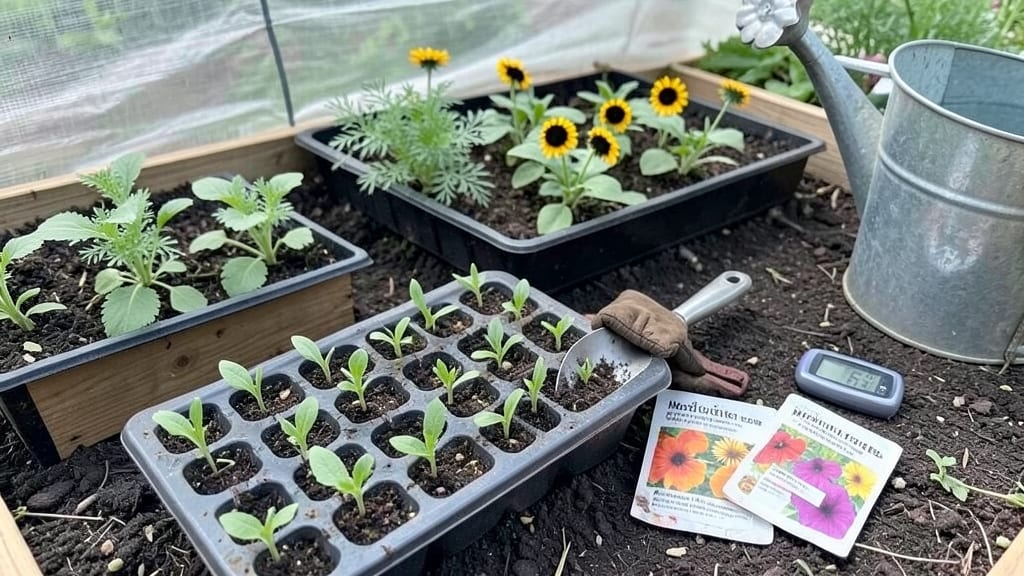
When to plant flower seeds in Michigan 🌸 just right means the difference between a garden bursting with color and one that never quite takes off. With frost dates shifting between mid-April and early May, knowing the perfect window to plant can feel like solving a puzzle.
I’ve spent years perfecting my Michigan garden, and the key is understanding how your USDA zone (5b-6b) affects when to start seeds indoors versus direct sowing outdoors. Whether you’re dreaming of vibrant marigolds or hardy coneflowers, getting the timing right ensures your flowers beat the frost and thrive all season.
In this guide, I’ll break down the exact month-by-month schedule for planting annuals, perennials, and bulbs—plus pro tips for extending your bloom time. No more guessing whether your seeds will survive Michigan’s unpredictable spring!
Ready to transform your yard into a year-round floral masterpiece? Let’s dive into the zone-specific deadlines that’ll have your garden looking like a postcard from May through October.
Michigan flower seed planting deadlines by USDA Zone (5 & 6)
Michigan’s USDA Zones 5 and 6 experience wildly different frost dates—just 100 miles can mean 2 weeks of planting window shifts. In Zone 5a/5b (northern Michigan), last frost typically hits May 15-20, while Zone 6a (southern Michigan) sees frost-free soil by April 25-May 5.
These dates determine whether your marigolds or coneflowers survive—or get nipped by surprise frost.
For annual flowers like zinnias and cosmos, timing is everything. Plant too early, and they’ll bolt in 50°F soil. Too late, and summer heat arrives before blooms appear. My rule? Start 4-6 weeks indoors for heat-lovers like sunflowers and 4 weeks indoors for cool-season pansies and snapdragons.
Perennials like black-eyed Susans and bee balm can handle direct sowing as soon as soil warms to 55°F.
| Zone | Last Frost Date | Indoor Start (Weeks Before Last Frost) | Direct Sow After | Cold-Hardy Flowers |
|---|---|---|---|---|
| 5a (Northern MI) | May 15-20 | 6-8 weeks (heat-lovers) 4-6 weeks (cool-season) |
Soil 55°F+ (late May) | Pansies, Snapdragons, Sweet Alyssum |
| 5b (Central MI) | May 1-10 | 5-7 weeks (heat-lovers) 3-5 weeks (cool-season) |
Soil 50°F+ (early May) | Lupines, Columbine, Forget-Me-Nots |
| 6a (Southern MI) | April 25-May 5 | 4-6 weeks (heat-lovers) 2-4 weeks (cool-season) |
Soil 45°F+ (late April) | Calendula, Stock, Sweet Peas |
🌱 Pro Tip: Use row covers to extend Zone 5a’s planting window by 2-3 weeks.
In Zone 6a, where summers are longer, I recommend succession planting for annuals like zinnias. Start a second batch June 15 to enjoy blooms through October’s first frost.
For perennials, divide peony and daylily clumps in early fall (September)—they’ll establish roots before winter and bloom 2 weeks earlier next spring.
Don’t overlook fall planting for biennials like foxglove and hollyhock. Sow seeds in late August (Zone 6a) or early September (Zone 5b) to let them germinate before frost.
These plants need cold stratification to flower, so timing is critical. I’ve seen foxglove produce 6-foot spikes from seeds planted just 6 weeks before first frost.
For bulbs like tulips and daffodils, plant in October-November when soil temps drop below 60°F. This gives roots time to establish before winter. In Zone 5a, aim for mid-October; in Zone 6a, wait until late October.
Mulch with 3 inches of straw to protect tender shoots during Michigan’s unpredictable thaws.
If you’re seed-starting indoors, begin heat-loving annuals like geraniums and petunias under grow lights in early March (Zone 6a) or late March (Zone 5a). Use seedling heat mats to maintain 70-75°F soil temps—critical for fast germination.
Harden off seedlings 10-14 days before transplanting to avoid shock from Michigan’s windy spring conditions.
Watch for false springs—those 70°F days in March that fool you into planting too early. I’ve lost dozens of
Best flowers to plant early vs. late in Michigan (frost-proof strategies)
Michigan’s unpredictable frost dates demand a strategic approach to flower planting. Early bloomers like pansies and snapdragons handle cooler soil temperatures, while late-season stars such as cosmos and zinnias thrive when summer heat arrives.
The key is matching your flowers to Michigan’s 150-180 frost-free days to maximize bloom time without frost damage.
For early plantings, start seeds indoors in March for frost-tender varieties like petunias and geraniums. These need a head start to avoid late spring frosts that hit Michigan until mid-May.
Conversely, late plantings like sunflowers and marigolds can wait until May 15-June 1 when soil temperatures consistently stay above 50°F (10°C).
Pro Tip: Use row covers or cold frames for early plantings to extend your frost-free window by 2-3 weeks. This simple trick lets you plant calendulas and stocks as early as April 1 in most of Michigan’s USDA Zones 5b-6a.
Early Planting Flowers (March-April)
| Flower | Pros | Cons |
|---|---|---|
| Pansies | Cold-hardy, blooms early | Short-lived in heat |
| Snapdragons | Tolerates light frost | Needs consistent moisture |
| Calendulas | Edible petals, pest-resistant | Leggy in poor light |
Late Planting Flowers (May-June)
| Flower | Pros | Cons |
|---|---|---|
| Cosmos | Drought-tolerant, self-seeds | Needs full sun |
| Zinnias | Long bloom season, attracts pollinators | Susceptible to powdery mildew |
| Sunflowers | Fast-growing, dramatic height | Needs staking for tall varieties |
For heat-tolerant flowers that thrive in Michigan’s summer heatwaves, prioritize zinnias, black-eyed Susans, and portulaca. These varieties handle 90°F+ temperatures without wilting, ensuring late-season color when other flowers fade. Plant them directly after May 15 for best results.
Don’t overlook succession planting—sow fast-germinating seeds like bachelor’s buttons every 2 weeks from May through July. This creates a continuous bloom effect, keeping your garden vibrant until Michigan’s first frost in mid-October.
Experiment with microclimates in your garden. South-facing beds warm up faster, allowing you to plant heat-loving flowers like lantana 2 weeks earlier than north-facing areas. This simple adjustment can extend your bloom season by 3-4 weeks!
With these frost-proof strategies, you’ll enjoy colorful blooms from spring to fall—no matter when Michigan’s unpredictable weather strikes. Happy planting! 🌸