
Plants
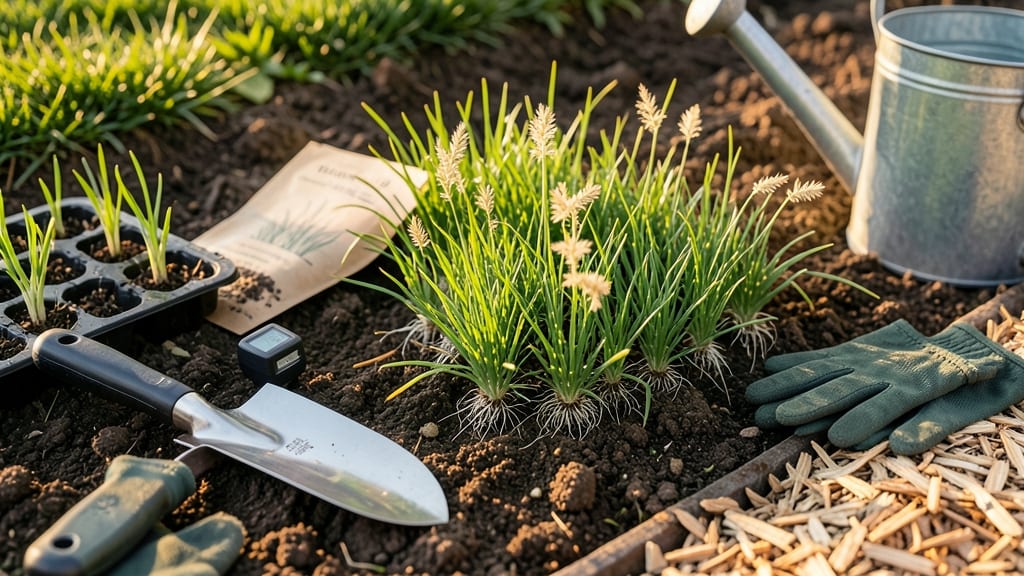
Planting fescue grass at the right time in spring can make all the difference between a fast-growing, vibrant lawn and one that struggles to take hold. But with unpredictable weather and shifting soil temperatures, figuring out the perfect window often feels like guessing.
The key lies in understanding your local climate and soil conditions—because planting too early risks frost damage, while waiting too long means slower root establishment.
For most regions, including USDA Zone 6a, the ideal window opens in early to mid-spring, typically between March and April. This timing allows your 🌱 fescue grass to establish roots before summer heat sets in.
However, the real secret isn’t just the calendar—it’s soil temperature. When the ground warms to 50-65°F, seeds germinate faster and roots grow deeper, setting your lawn up for success.
If you’ve ever watched your grass patch unevenly or struggle to fill in, you know how frustrating it can be. The good news? With the right approach, you can avoid these pitfalls.
I’ll walk you through how to check soil temperature, prepare your lawn, and adjust for regional differences—so you can plant with confidence and see results in just a few weeks.
Ready to transform your lawn this season? Let’s dive into the fastest, most reliable methods for planting fescue grass at the perfect moment—no more second-guessing, just a lush, green outcome. Your future lawn will thank you!
Optimal soil temperature ranges for planting fescue grass in spring
Fescue grass thrives when planted in soil with temperatures between 50°F and 65°F. This ideal window ensures fast root establishment and minimizes stress on young seedlings. Cooler soil temperatures slow germination, while warmer soil can cause seeds to dry out or sprout too quickly, leading to weak roots.
Understanding these thresholds helps you time your planting for maximum success, especially in regions with unpredictable spring weather.
Soil temperature isn't the same as air temperature—it's influenced by sunlight, moisture, and even mulch. For example, a 60°F air temperature might correspond to 55°F soil in shaded areas, while sunny spots could reach 70°F or higher.
This discrepancy is why relying on air temperature alone can lead to poor germination rates. To avoid guesswork, use a soil thermometer for accurate readings.
A soil thermometer is your best tool for precision planting. Insert it 4-6 inches deep (the depth where fescue roots will establish) and check readings in the morning for consistency. Most garden centers sell affordable digital models, or you can repurpose an old meat thermometer by cleaning it thoroughly.
For a DIY approach, bury a thermometer in a small pot of soil for 24 hours to simulate ground conditions.
Regional planting windows vary widely due to climate differences. In coastal areas like California or Oregon, soil may warm to 60°F as early as February, while inland zones like the Midwest or Northeast often wait until late April or early May.
Mountainous regions, such as the Rockies, may experience delayed warming, requiring patience until soil reaches 55°F consistently. Always align your planting with your last frost date—aim to plant 4-6 weeks before frost to avoid seedling damage.
| Region | Optimal Soil Temp Range | Best Planting Window | Key Consideration |
|---|---|---|---|
| Pacific Northwest | 50°F–58°F | Late February–March | Cooler, moist soil; watch for late frosts. |
| Midwest | 55°F–62°F | Mid-April–May | Variable weather; test soil weekly. |
| Southeast | 60°F–65°F | Early March–April | Humid conditions; ensure good drainage. |
| Mountain West | 50°F–55°F | Late April–May | High elevation delays warming; plant early. |
| Southwest | 65°F–70°F | September–October (fall preferred) | Spring heat stress; fall planting avoids drought. |
If your soil temperature hovers below 50°F, delay planting until conditions improve. Cold soil can cause seeds to rot or fail to germinate. Conversely, waiting until soil exceeds 65°F risks drought stress or weed competition.
For example, in Zone 5, where frosts linger into May, planting in early April (when soil hits 52°F) often yields better results than waiting until late May.
To accelerate soil warming, use black plastic mulch or clear plastic tunnels to trap heat. These methods can raise soil temperatures by 5–10°F in just a few days, giving you a head start in cooler climates.
Just remove the mulch once seeds sprout to prevent overheating. Alternatively, cover seeds with straw mulch to retain moisture while allowing sunlight to penetrate and warm the soil gradually.
Once soil reaches the optimal range, plant fescue seeds ¼ inch deep and water gently to settle them without displacing them. Keep the soil consistently moist (not soggy) for the first 2–3 weeks to encourage germination.
Avoid compacting the soil with foot traffic, as this can suffocate young roots. A light layer of straw mulch after planting helps retain moisture and regulates temperature fluctuations.
Monitor your lawn closely after planting. If seedlings appear yellow or stunted, soil may be too cold or too dry. Adjust watering as needed—morning watering is ideal to reduce evaporation and fungal risks.
With the right soil temperature and care, your fescue should establish a dense, resilient lawn by late summer, ready to handle heat and foot traffic.
Pro tip: Track your soil temperature for a few weeks before planting to spot trends. If mornings are consistently 55°F or warmer for 3–4 days in a row, it’s a green light to start sowing. Patience here pays off with a healthier, faster-growing lawn that outcomp
5 Signs your spring conditions are perfect for fescue planting
Spring’s fleeting window for planting fescue grass can feel like trying to hit a moving target. One week the soil is too cold, the next it’s drying out too fast. But nature gives us subtle clues—if you know what to watch for.
These 5 key signs will help you pinpoint the perfect moment to plant, ensuring your seeds germinate quickly and establish strong roots before summer heat arrives.
First, check your local frost dates. Fescue thrives when planted 4-6 weeks before the last frost—this gives seedlings time to grow without being fried by sudden freezes. Use your USDA hardiness zone as a guide, but don’t rely solely on averages.
A late frost can delay planting, while an early warm spell might trick you into planting too soon.
Here’s what to look for when spring finally cooperates:
- 🌡️ Soil temperature reaches 50-65°F (test with a soil thermometer or the back of your hand—warm but not hot). Fescue roots won’t activate until the soil warms to this range.
- 🌱 Weeds like chickweed or crabgrass begin sprouting—this signals consistent moisture and stable temperatures. Fescue seeds need steady dampness to germinate, so wait until weeds confirm the ground is ready.
- ☀️ Days are lengthening to 10+ hours of daylight. Fescue needs light to trigger germination, and shorter days can delay sprouting. Track sunrise/sunset times to time your planting.
- 💧 Rainfall averages 1 inch per week (or you can water deeply 2-3x/week). Dry spells after planting can cause seeds to bake in the soil, while soggy conditions risk rot.
- 🌿 Dormant grass (if overseeding) turns green at the tips. This means your lawn’s roots are waking up, and your new fescue seeds will have competition-free space to establish.
If spring arrives early in your zone, don’t rush—wait for soil warmth and stable temps. Planting too soon can leave seedlings vulnerable to late frosts or drought stress.
Conversely, if spring lingers, adjust your schedule: late April or early May is still ideal in cooler climates like Zones 4-6, while Zones 7-9 can plant as late as mid-May.
Pro tip: Mark your calendar for 6 weeks after planting. This is when fescue should show visible growth (1-2 inches of blades). If it doesn’t, check for shade issues, poor soil contact, or dry spells—all fixable with a little TLC.
Patience here pays off with a thick, drought-resistant lawn by summer.
Once you spot these signs, grab your seeds and plant within 24 hours. Fescue’s window is narrow—don’t let perfect conditions slip away! 🌱