
Vegetables
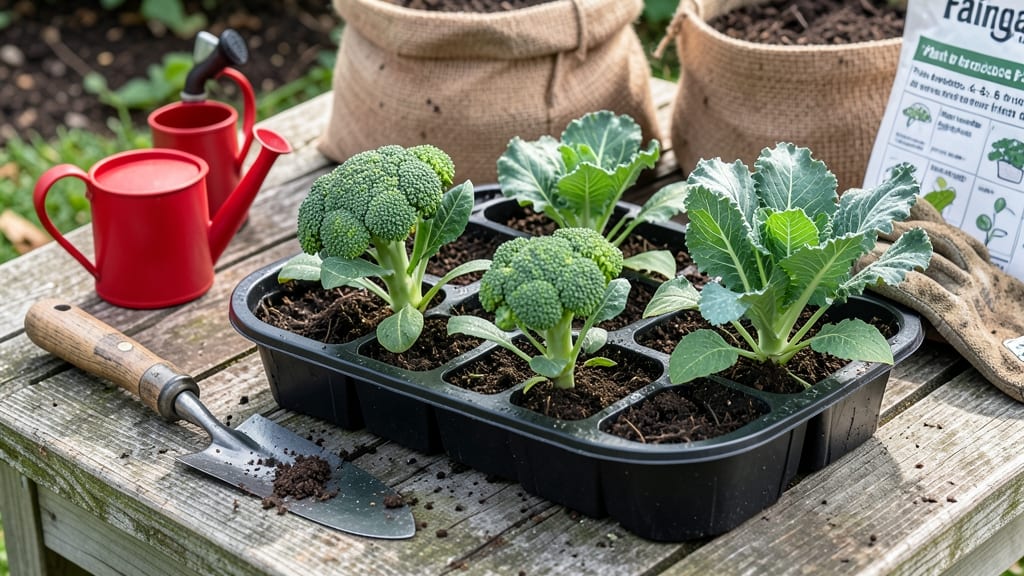
Planting fall vegetables in Virginia isn't just about timing—it's about beating the clock before frost steals your harvest. Whether you're growing crisp carrots or hearty collards, knowing the exact window for each county means the difference between a thriving garden and a sad, wilted disappointment.
I've spent years watching frost creep in across Virginia's varied landscapes, from the cooler highlands of the Blue Ridge to the milder coastal plains. The key?
Starting seeds and transplants at the right moment—usually 6-8 weeks before your first frost date—so your greens and root crops mature just as temperatures dip.
In this guide, I'll break down the county-specific deadlines you need to know, plus which vegetables thrive best in Virginia's fall soil. We're talking sweet potatoes in August, kale in September, and broccoli right up until October's last hurrah.
Ready to turn your garden into a fall feast? Let's dive into the exact dates and strategies that'll keep your harvest going long after your neighbors' plants have turned to mush.
Virginia county planting deadlines: when to start fall vegetables for zero-frost harvests
Timing your fall vegetable planting in Virginia depends on your USDA hardiness zone and last frost dates. Northern counties like Fairfax (Zone 7b) face earlier frosts than Southern regions like Accomack (Zone 8a). Missing these deadlines means frost-damaged crops or wasted seeds.
For frost-sensitive crops like tomatoes and peppers, aim to plant by mid-August in Northern Virginia and early September in the South. Hardy greens such as kale and spinach can handle cooler temps, so you can plant them up to 6 weeks before frost.
Below is a county-by-county breakdown of last planting dates for key fall vegetables, adjusted for Virginia’s microclimates. Use this as your guide to avoid frost surprises and maximize your harvest.
🌱
| County (Zone) | Last Planting Date (Frost-Sensitive Crops) |
Last Planting Date (Hardy Greens) |
Notes |
|---|---|---|---|
| Fairfax (7b) | August 15 | September 30 | Early frost risk; use row covers |
| Arlington (7a) | August 20 | October 5 | Cold air pockets; plant near walls |
| Loudoun (7a) | August 18 | September 25 | Higher elevation; plant low-lying areas |
| Prince William (7a) | August 22 | October 1 | Soil stays warm longer; extend season |
| Roanoke (6b) | July 31 | September 15 | Short growing season; prioritize fast crops |
| Norfolk (8a) | September 10 | October 15 | Coastal warmth; extend dates slightly |
| Accomack (8a) | September 15 | October 30 | Longest frost-free season; plant late |
For Northern Virginia (Zones 6b-7a), focus on fast-maturing varieties of tomatoes and peppers. In Southern Virginia (Zones 7b-8a), you can push dates later but still watch for unexpected cold snaps.
Adjust your planting schedule based on your county’s microclimate. For example, urban areas like Arlington may experience colder pockets due to buildings, while rural Loudoun benefits from warmer soil in valleys.
Use Virginia Cooperative Extension’s frost maps for real-time updates. If frost is forecasted, cover sensitive crops with floating row covers or lightweight blankets to protect them for 2-3 additional weeks.
Start seeds indoors 6-8 weeks before your county’s last planting date for tomatoes, peppers, and eggplants. This gives them a head start in warmer soil and increases your chances of a successful harvest.
🌿
For hardy greens like spinach and kale, direct-sow seeds 4-6 weeks before frost. These cold-hardy crops actually sweeten in cooler temps, making them perfect for fall harvests.
Plan for succession planting by sowing new seeds every 2-3 weeks until your county’s last planting date. This ensures a continuous harvest and minimizes waste.
💧
Best fall vegetables for Virginia gardens: what to plant by month for maximum yield
Fall gardening in Virginia rewards patience with sweet, crisp vegetables that thrive in cooler weather. The key is knowing when to plant each crop to avoid early frost while maximizing your harvest.
My month-by-month guide aligns with Virginia's USDA Zones 6b-8a, ensuring you get the most from your garden before winter sets in.
Start in late summer with heat-loving crops like tomatoes and peppers, then transition to cool-season favorites as temperatures drop. Succession planting every 2-3 weeks keeps your kitchen stocked with fresh produce. For example, radishes mature in 25 days, while broccoli takes 70-90 days—perfect for staggered harvests.
🌱
For maximum yield, prioritize succession planting every 2 weeks after the initial sowing. For instance, plant radishes every 10 days in September to ensure a continuous harvest until frost. Leaf lettuce and spinach can handle light frosts, making them ideal for late-season plantings.
Don't overlook Virginia's regional favorites like collard greens and sweet potatoes. Collards thrive when planted in late summer and become sweeter after light frosts. Sweet potatoes, meanwhile, need 90-120 days of warm soil, so start them in early August for a fall harvest.
Extend your growing season with row covers or cold frames to protect tender crops like broccoli and cauliflower through early winter. Even a simple floating row cover can push back frost by 2-4 weeks, giving you extra harvest time.
Plan your fall garden now to enjoy homegrown goodness all season long—Virginia's mild winters make it possible! 🌿