
Plants
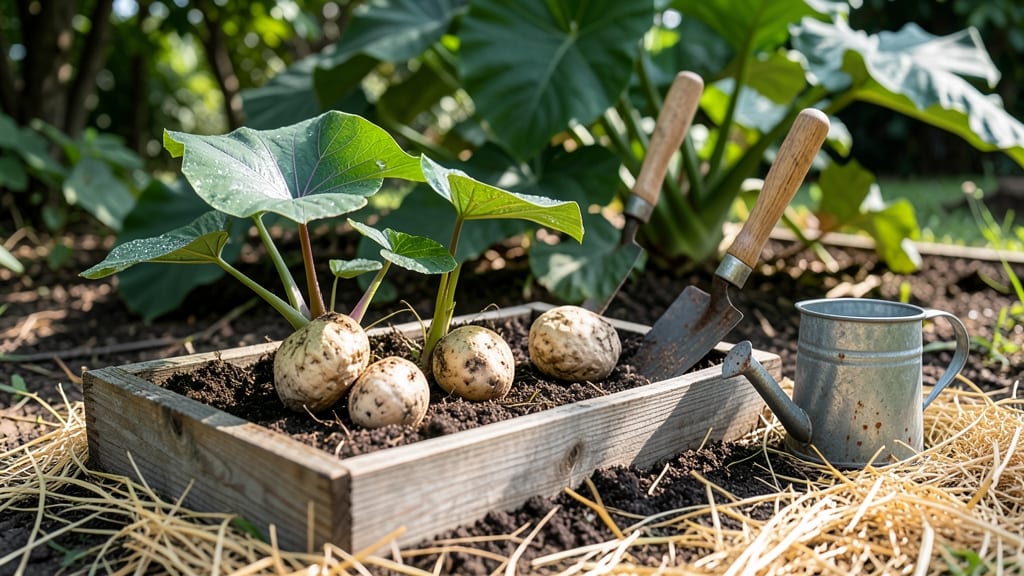
Planting elephant ear bulbs 🌿 in Missouri isn’t just about dropping them in the ground—it’s about catching that perfect window when the soil warms up enough to fuel their dramatic growth. Skip the guesswork, and you’ll avoid frost damage or stunted plants that never reach their full, show-stopping potential.
Missouri’s 5b-7a zones demand precision timing, and the last frost date (usually late April to early May) is your golden cue.
But here’s the catch: even after frost danger passes, soil temperature must hit at least 60°F before you plant, or those bulbs will just sit there waiting for summer to arrive.
I’ve learned the hard way that planting too early means sad, wilted leaves, while waiting too long cuts short the growing season.
The key is balancing warmth with the 165 frost-free days Missouri typically offers—so let’s break down exactly when to put those elephant ear bulbs in the ground for maximum impact.
Whether you’re prepping containers or in-ground beds, I’ll walk you through the exact steps to time your planting for bold, thriving foliage that lasts all summer. No more second-guessing—just confident, science-backed advice tailored to your backyard.
Missouri’s ideal planting windows for elephant ear bulbs by hardiness zone
Elephant ear bulbs (Colocasia and Alocasia varieties) need warm soil to thrive, but Missouri’s last-frost dates vary dramatically across USDA zones 5b–7a. Planting too early risks frost damage to tender roots, while waiting too long shortens the growth season.
Let’s break down the perfect planting windows for each zone, using soil temperature and frost data as your guide.
For all zones, aim for soil temperatures above 60°F—this triggers root growth and prevents cold shock. Use a soil thermometer to check depth (4–6 inches). If your soil hasn’t warmed yet, wait 1–2 weeks or use black plastic mulch to accelerate heating.
In Missouri, this typically aligns with late April to early May, but your exact zone makes all the difference.
Here’s your zone-by-zone planting schedule, including last-frost averages and ideal soil temperature windows to maximize your elephant ear’s bold foliage before fall’s first frost.
In Zone 5b, where late frosts linger into May, wait until May 10–20 to plant—even if soil hits 60°F earlier.
Use row covers for the first 2 weeks to protect young shoots. Zone 6a gardeners can plant 1–2 weeks earlier, but monitor forecasts for late-spring cold snaps, which can stall growth.
For Zones 6b–7a, where summers stretch longer, you can push planting to early April if soil warms quickly.
In Zone 7a, I’ve even seen success with late March plantings under black plastic mulch, which raises soil temps by 5–10°F. However, avoid planting before March 25 unless you’re using container growing with moveable pots.
Pro tip: If you’re in a cooler microclimate (e.g., shaded valley or high elevation), err on the side of planting later. Elephant ears are tropical plants at heart—they’ll forgive a shortened season more than they’ll forgive frost damage
How to test soil warmth and prepare planting sites for elephant ear success
Elephant ears (Colocasia or Alocasia) need warm soil to thrive, and Missouri’s unpredictable spring weather can make timing tricky. A soil thermometer is your best tool—wait until readings hit 60°F+ consistently before planting.
This usually aligns with late April to early May in most of the state, but cooler zones like St. Louis (5b) may need to wait until mid-May.
Missouri’s heavy clay soil can suffocate roots, so amending your planting site is critical. These tropical plants also prefer 6+ hours of sun but appreciate afternoon shade in hotter regions like Kansas City (6a). Let’s break down the exact steps to prep your site for success.
Insert a soil thermometer 2–3 inches deep in your planting area. Check readings in the morning and evening for consistency. Aim for 60°F+ for 3+ days—this signals safe planting conditions.
Select a spot with full sun to partial shade. In USDA Zone 7a (e.g., Southeast Missouri), opt for morning sun + afternoon shade to prevent leaf scorch. Avoid low-lying areas where cold air pools.
Mix in 2–3 inches of compost or aged manure to improve drainage. For container planting, use a 50/50 blend of potting mix and perlite. Elephant ears hate soggy roots—ensure your site drains within 6 hours after watering.
For cooler zones (Zone 5b), lay down black plastic mulch 2–3 weeks before planting. This raises soil temps by 5–10°F and speeds up root establishment. Remove it once plants emerge.
Spread 3–4 inches of mulch (straw or shredded leaves) around plants after they sprout. This retains moisture, suppresses weeds, and protects roots from temperature swings—critical in Missouri’s variable spring weather.
Dig a small hole, add water, and observe drainage. If water pools after 30 minutes, amend with more compost or consider a raised bed. Well-draining soil = happier elephant ears!
Once your site is prepped, plant elephant ear bulbs 3–4 inches deep and space them 12–18 inches apart. Water deeply after planting to encourage root growth. With the right soil warmth and prep, your plants will shoot up in 2–3 weeks, rewarding you with those dramatic, tropical leaves.
Pro tip: Mark your planting date on a calendar—this helps track growth progress and reminds you when to fertilize in early summer for maximum foliage impact. Happy planting! 🌿