
Plants
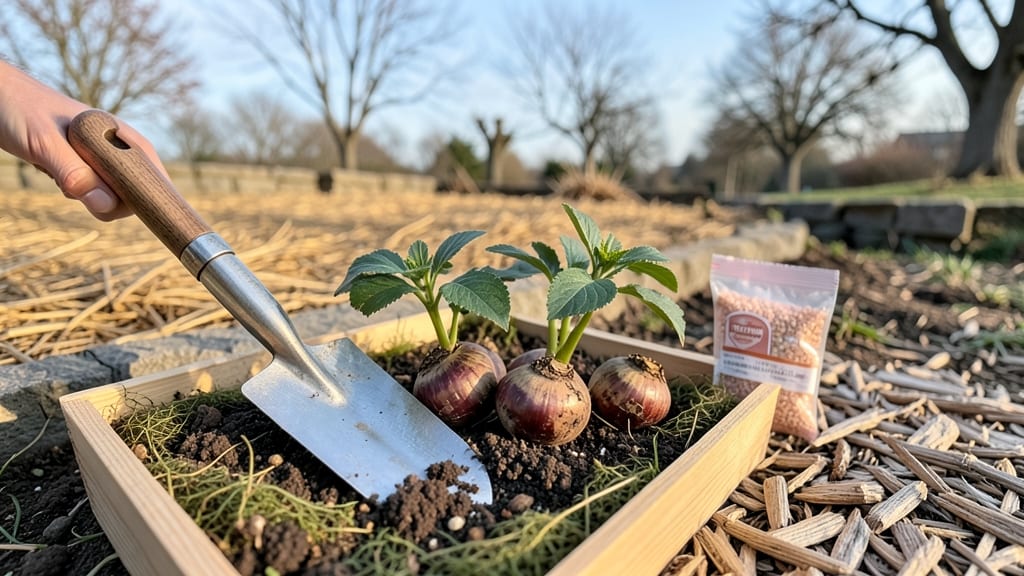
Planting dahlias in Zone 9b isn't about waiting for frost—it’s about timing soil warmth just right to avoid weak roots and floppy stems. Unlike cooler climates, your desert garden’s fall temperatures (October–November) create the perfect window when soil hits that sweet 55–65°F range, signaling tubers to wake up without stress.
I’ve learned the hard way that rushing dahlias 🌼 into the ground too early—even in Phoenix or SoCal—can leave them struggling in the summer heat. The key is planting 4–6 weeks before peak temperatures drop, giving roots time to establish before the real work begins.
Think of it as giving your dahlias a head start on their 120-day bloom journey.
But here’s the twist: Zone 9b’s lack of frost means we skip the usual spring rush. Instead, we focus on soil prep and tuber hardening to toughen them up for the desert’s intensity.
Whether you’re starting from seeds or tubers, I’ll walk you through the exact steps to ensure your dahlias burst into color from April through October—without wilting mid-season.
Ready to transform your garden into a dahlia paradise? Let’s dive into the soil temperature secrets, planting hacks, and microclimate tweaks that’ll make your Zone 9b dahlias the talk of the neighborhood.

Ideal soil temperature and planting window for dahlias in Zone 9b
In Zone 9b, where winters are mild and summers scorching, timing your dahlia tubers correctly ensures vibrant blooms instead of weak, leggy plants. Unlike cooler zones, Zone 9b’s no-frost winters mean we focus on soil warmth rather than frost dates.
The sweet spot? Plant when soil reaches 55–65°F—this triggers root growth without stressing tubers in residual summer heat.
Most Zone 9b gardeners (think Phoenix or coastal Southern California) aim for late September to early November. This 2–3 week window lets soil cool after summer’s peak while avoiding winter rains that can rot tubers.
For example, in Phoenix, I’ve found October 1st works perfectly—soil is warm enough but not baking hot.
Testing soil temperature is simpler than you think. Bury a soil thermometer 6 inches deep in your garden bed—this mimics tuber depth. Check readings at 9 AM (before sun heats the soil).
In my Zone 9b garden, I’ve seen temps fluctuate 10°F daily, so consistency matters more than a single reading.
Pro tip: If your soil runs hotter than 70°F in late summer, wait it out. I once planted too early in August, and my dahlias bolted to seed instead of blooming. Patience pays off—wait for that 55°F trigger to avoid this fate.
Zone 9b’s microclimates add complexity. Coastal areas (like San Diego) may plant 2 weeks earlier than inland deserts (like Yuma). For example, I’ve seen La Jolla gardeners plant in early September, while Palm Springs gardeners wait until mid-October. Observe your local afternoon humidity—high humidity delays soil cooling.
Once soil hits 55°F, act fast. Dahlias need 2–3 weeks to establish roots before winter rains arrive. I’ve found that planting by October 15th ensures tubers anchor before December’s occasional downpours. Use a moisture meter to confirm soil stays damp (not soggy) during this critical window.
For container dahlias, adjust timing slightly. Pots heat up faster, so aim for 60°F soil temp and plant 1 week later than in-ground. I’ve had success with black fabric pots—they absorb heat but also cool faster when shaded.
Always include drainage holes to prevent tuber rot in Zone 9b’s occasional winter dampness.
Remember: Zone 9b dahlias reward precision. Skimping on the 2–3 week root-establishment window leads to floppy stems and fewer blooms. I’ve seen gardeners rush planting in late November, only to watch their dahlias struggle through winter.
When in doubt, wait until soil cools—your blooms will thank you next spring.
🌼
How to prepare dahlias for Zone 9b’s unique climate challenges
Zone 9b’s long, hot summers and mild winters demand extra prep to help dahlias thrive. Unlike cooler zones, we can’t rely on frost to signal planting time—soil temperature and tuber conditioning become your best tools.
Skipping these steps often leads to heat-stressed tubers or weak stems that flop in summer’s intensity.
My strategy focuses on three key actions: chitting tubers to jumpstart growth, hardening off starts to toughen young plants, and amending soil to retain moisture during heat spikes.
These steps compensate for Zone 9b’s shorter dormancy period and intense afternoon sun, ensuring your dahlias bloom stronger and longer than neighbors who plant without prep.
🌱 Step-by-Step Prep for Zone 9b Dahlias
- 🌡️ Chit tubers indoors 6-8 weeks before planting (mid-August). Place tubers in bright, warm spot (70°F) with eyes facing up—sprouts appear in 2-3 weeks.
- 🌿 Harden off starts 10-14 days pre-planting. Move potted tubers outside during mornings only, gradually increasing time to full sun exposure by day 7.
- 🌎 Amend soil with 3 inches of compost and 1 inch of mulch. Zone 9b’s fast-draining soils need organic matter to hold moisture for root establishment.
- 🌡️ Test soil temp—plant only when 55-65°F (use a soil thermometer at 4-inch depth). In Zone 9b, this typically aligns with late October.
- 🌱 Plant deeply—cover tubers with 4-6 inches of soil to protect from heat stress and encourage stronger stems.
- 💧 Water deeply at planting (1-2 gallons per tuber) to settle soil and prevent air pockets around roots.
Don’t overlook mulching—a 3-inch layer of straw or wood chips keeps roots cool in summer and moist during dry spells. I’ve seen dahlias in Phoenix double their bloom count just by adding this extra layer.
For container growers, use self-watering pots with moisture-retentive soil mixes to mimic in-ground conditions.
Zone 9b’s lack of frost means we must time planting carefully to avoid summer heat shock. Planting too early (like in September) can stress tubers before they’re ready, while waiting until December might delay blooming.
Aim for late October to early November—this window gives tubers time to establish roots before spring’s rapid growth begins.
Pro tip: If you’re growing from seed, start indoors in June and transplant after soil temps drop below 85°F (usually by mid-September). Seed-grown dahlias are hardier but take longer to mature—plan accordingly for Zone 9b’s shorter growing season.
With these steps, your dahlias will bloom from spring to fall, outshining neighbors who skipped the prep. The key is patience and soil prep—Zone 9b rewards gardeners who adapt to its unique rhythm rather than fighting it. 🌼