
Plants
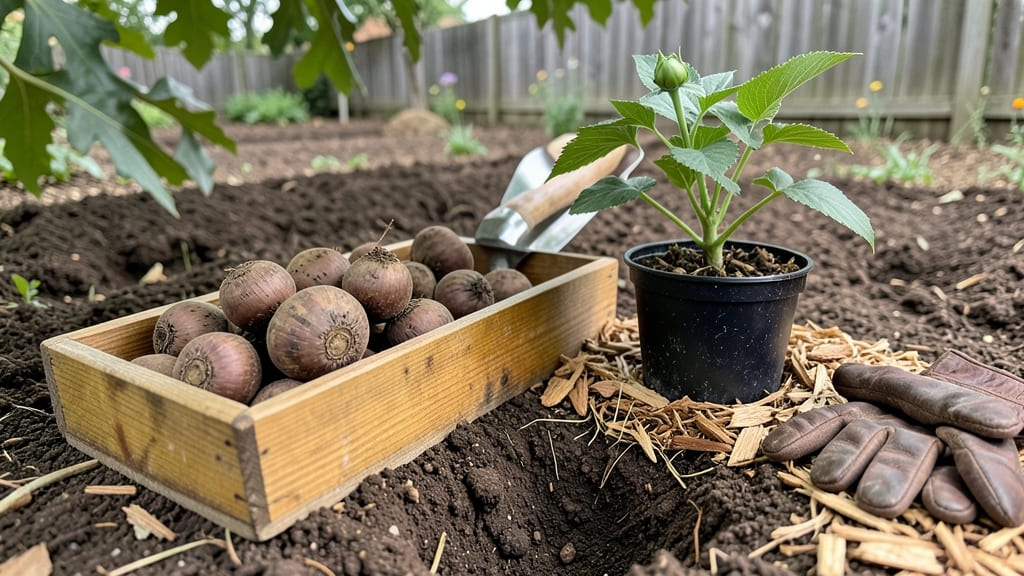
Planting your dahlias at the right time in Zone 6b could mean the difference between a showstopping garden and a sad, wilted disappointment. This isn't just about waiting for the calendar to say "May"—it's about understanding when your soil is truly ready to welcome those delicate tubers.
I've learned the hard way that rushing dahlias 🌼 into cold soil can stunt their growth or even invite rot, while planting too late might leave you with fewer blooms before fall's first frost.
The key is watching for soil temperatures that hit at least 60°F, a signal that danger has passed and your dahlias can thrive.
What you'll discover here is a foolproof method to time your planting perfectly—no more guessing games. We'll cover the exact soil checks you need, when to start your tubers indoors (if you choose that route), and how to protect your investment if you happen to miss the ideal window.
Whether you're a first-time gardener or a seasoned pro, these insights will help you grow dahlias that burst with color from July through October. Let's get those tubers in the ground the right way!

Zone 6b dahlias planting timeline: soil temperature rules over calendar dates
Planting dahlias in Zone 6b isn’t about memorizing calendar dates—it’s about waiting for the soil temperature to hit 60°F (15°C). Cold soil stunts root growth, leaving your tubers vulnerable to rot or frost damage.
I’ve learned the hard way that even if the air feels warm, the ground might still be chilly. The key is testing soil warmth before breaking ground.
Your local last frost date (usually around April 15 in Zone 6b) is a starting point, but it’s not the final word. A late frost can still sneak in, and planting too early risks frost damage to tender shoots.
Instead, focus on soil readiness—when it consistently stays above 60°F for at least a week, your dahlias are safe to go in.
Why soil temperature matters: Dahlias need warm soil to activate root growth. Below 60°F, their tubers stay dormant, and any new roots struggle to establish. This is especially critical in Zone 6b, where spring temperatures can swing wildly. Waiting for the right conditions ensures your dahlias burst into growth without stress.
Here’s my 3-step soil readiness checklist to avoid common mistakes:
- Use a soil thermometer (insert 2-3 inches deep).
- Watch for visual cues like sprouting weeds or blooming crocuses.
- Try the squash seed test: Plant a squash seed—if it sprouts in 7-10 days, your soil is warm enough for dahlias.
| Stage | Action | Soil Temp | Zone 6b Timeline |
|---|---|---|---|
| Prep Tubers | Cut tubers into sections with 1-2 eyes, let dry 24 hours. | N/A | Late March - Early April |
| Chit Tubers | Place cut side up in bright, cool spot (60-65°F). | 60-65°F | April (4-6 weeks before last frost) |
| Test Soil Warmth | Use thermometer or squash seed test. | ≥60°F (15°C) | Mid-to-late May |
| Plant Tubers | 4-6" deep, 12-15" apart, in full sun. | 60-70°F | After last frost, soil ≥60°F |
| First Blooms | Expect blooms 90-120 days after planting. | N/A | July - October |
In Zone 6b, the average last frost date is around April 15, but I’ve seen frost linger into early May. Planting too soon risks killing young shoots.
Instead, wait until the soil hits 60°F—this usually aligns with mid-to-late May, giving you a 165-day frost-free window to enjoy blooms.
Pro tip: If you’re unsure about soil temperature, use the squash seed test. Plant a few squash seeds in a small pot—if they sprout in 7-10 days, your soil is ready for dahlias. This method works because squash seeds germinate at 60°F, just like dahlias need to thrive.
Once your soil passes the 60°F threshold, plant your dahlia tubers 4-6 inches deep, spacing them 12-15 inches apart. In Zone 6b, this typically means late May to early June.
Choose a sunny spot with at least 6 hours of direct sunlight—dahlias reward full sun with bigger, brighter blooms.
After planting, mulch around the base with 2-3 inches of organic mulch (like straw or shredded leaves) to retain moisture and regulate soil temperature. This step is crucial in Zone 6b, where summer heat can dry out soil quickly.
Mulch also helps prevent the tuber rot that plagues dahlias planted in cold, wet soil.
If you’re still hesitant, consider starting tubers indoors 4-6 weeks before your last frost date. This gives you a head start and lets you plant hardened tubers as soon as the soil warms. Just be sure to acclimate them outdoors for a week before transplanting to avoid shock.
Dahlia tubers vs seeds: which to plant and when in Zone 6b?
Deciding between dahlia tubers and seeds in Zone 6b depends on your timeline and goals. Tubers offer instant blooms, while seeds give you more variety but require patience. I’ve planted both—here’s how to choose the right method for your garden.
For dahlia tubers, timing is critical. In Zone 6b, start hardened tubers (pre-chilled) after the last frost date, typically mid-to-late May when soil hits 60°F (15°C). Non-hardened tubers need an earlier start indoors, around March 15, to avoid transplant shock.
Seeds, on the other hand, can start indoors 8-10 weeks before the last frost (early March) or direct-sown after soil warms to 55°F (13°C) in late spring. Seedlings are delicate—transplant only when they’ve developed true leaves and night temps stay above 50°F (10°C).
Tubers vs. Seeds: Zone 6b Planting Showdown
🌱 Tubers
- ✅ Pros:
- 🌸 Blooms same year (60-90 days)
- 🌡️ Hardier in Zone 6b’s heat
- 🔄 Replantable (store tubers for next year)
- ⏰ Plant after last frost (mid-May)
- ⚠️ Cons:
- 💰 More expensive per plant
- ❄️ Risk of frost damage if planted too early
🌱 Seeds
- ✅ Pros:
- 💰 Cheaper for large quantities
- 🌈 More variety (heirloom/rare types)
- 📅 Earlier start indoors (March)
- 🌱 Good for beginners (less risk)
- ⚠️ Cons:
- ⏳ Slower growth (90-120 days to bloom)
- ❄️ Transplant shock risk if too late
- 🌡️ Less heat-tolerant in Zone 6b summers
If you’re short on time, tubers win for guaranteed blooms. But if you love experimenting, seeds let you grow unique varieties—just be ready to baby them through transplanting. I’ve had the most success with hardened tubers planted in early June, giving them time to establish roots before summer heat.
For seeds, start them indoors under grow lights in early March, then harden off seedlings before transplanting after Memorial Day. Mulch heavily to protect roots from temperature swings—Zone 6b’s soil can still cool quickly at night.
Pro tip: If you plant tubers too early, they’ll rot. If you plant seeds too late, they’ll bolt. Test soil temperature with a thermometer—60°F (15°C) for tubers, 55°F (13°C) for seeds—before committing. Your dahlias will thank you with bigger, bolder blooms all season.