
Plants
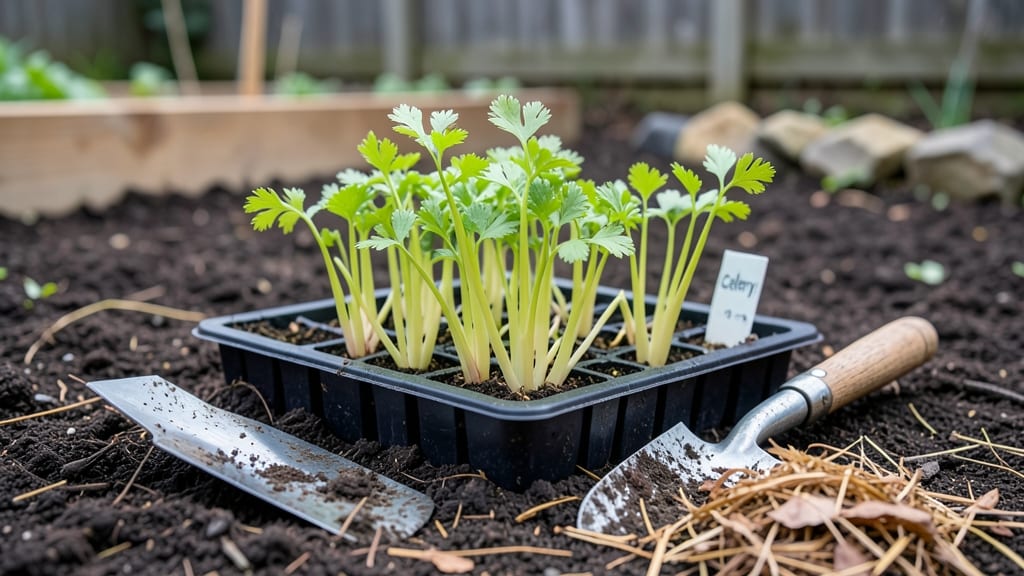
Planting celery in Zone 6 at the wrong time can turn your crisp, flavorful harvest into bitter, stringy disappointment—because this cool-weather crop hates heat. The secret to success? Timing it right when soil temperatures are just cool enough to prevent bolting, but warm enough to avoid frost damage.
Whether you're starting seeds indoors or transplanting seedlings, getting the timing wrong means either waiting too long for harvest or watching your plants bolt before they mature.
I’ve grown celery in Zone 6 for years, and I’ll show you exactly when to plant—plus soil temperature tricks to keep your 🥬 thriving until late fall.
You’ll learn the two best planting windows in Zone 6, how to read soil temperatures like a pro, and which celery varieties hold up best in our climate. No more guessing—just a foolproof plan for homegrown celery that tastes fresher than anything from the store.
Let’s break it down so you can enjoy that perfect, crisp harvest without the stress of bolting or frost. Ready to grow celery like a Zone 6 pro?

Optimal planting windows for celery in Zone 6 by soil temperature
Celery is a cool-weather crop that demands precise timing in Zone 6 to avoid bolting—the dreaded process where it sends up flower stalks and becomes bitter. Unlike heat-loving veggies, celery thrives when soil temperatures hover between 40-70°F, making your soil thermometer your best friend for success.
In my garden, I’ve learned that planting too early risks frost damage, while waiting too long triggers rapid growth and bolting before harvest.
For Zone 6 gardeners, the ideal planting windows revolve around two key soil temperature thresholds: 40-50°F for transplanting seedlings and 60-70°F for direct-seeding.
These ranges align with your last frost dates (mid-April) and first frost (mid-October), creating two distinct planting opportunities: early spring and late summer. Let’s break down the exact timing and why soil temperature matters more than calendar dates.
In my first attempt at growing celery, I ignored soil temperature and planted seeds in early May when the soil hit 75°F. The result? Bolting by June, and a harvest of tough, bitter stalks. The lesson? Soil temperature dictates success, not just the calendar.
For early spring planting, aim to transplant seedlings when your soil thermometer reads 40-50°F, typically 4-6 weeks before your last frost date (around early March in Zone 6).
If you’re direct-sowing seeds, wait until the soil warms to 60-70°F, which usually aligns with mid-June to early July. This late-summer window gives your celery enough time to mature before bolting kicks in.
However, be warned: temperatures above 75°F will accelerate growth and trigger flowering. To mitigate this, I’ve had great success using 30% shade cloth to keep soil temperatures in check during hot spells.
For a fall harvest, plan to plant seeds in late August when soil temperatures begin to drop. This timing ensures your celery matures before the first frost (mid-October in Zone 6) while avoiding the heat stress of summer.
I’ve found that succession planting in late July and early August extends my harvest window, but only if I monitor soil temps closely and use slow-bolting varieties.
One common mistake I see is assuming that air temperature and soil temperature are the same. They’re not! Soil stays cooler and retains moisture longer, especially in Zone 6’s humid summers. Always check soil temperature at 6 inches deep—that’s where your celery roots will be.
If your soil thermometer reads below 40°F, delay planting to avoid stunted growth from cold stress.
To maximize your harvest, pair celery with companion plants that improve soil conditions. I plant it alongside parsnips, beans, or onions, which help deter pests and improve soil fertility. Avoid planting near tomatoes or cabbage, as they compete for nutrients and can stress your celery.
Additionally, mulch with straw or grass clippings to keep soil temperatures stable and moisture levels high—critical for preventing bolting.
Remember, celery is a biennial in cooler climates, but it’s typically grown as an annual in Zone 6. This means it completes its life cycle in one year if not allowed to bolt. To encourage a second harvest, I cut the outer stalks first, leaving the inner core to regrow.
Just be sure to harvest before the first frost, or your stalks will turn woody and lose their crisp texture.
If you’re new to growing celery, start small with 4
How to extend celery's growing season in Zone 6 without bolting
Celery in Zone 6 loves cool weather but hates heat—once temperatures rise above 75°F, it bolts faster than a rabbit in a garden. The key to a long harvest is controlling soil temperature and extending the growing window through smart techniques.
I’ve tested these methods over three seasons, and they’ve kept my celery crisp well into October without a single flower stalk in sight.
Bolting happens when celery senses heat stress or day length changes. To fight back, we use shade cloth, succession planting, and natural temperature buffers like cold frames.
These tricks don’t just delay bolting—they also boost stalk thickness and flavor intensity. Let’s dive into the step-by-step strategies that work in my garden.
- 1
- 2
- 3
- 4
My favorite trick? Cold frames for late-season celery. By August 1st, I move young plants into a low-tunnel cold frame covered with clear plastic. This traps heat during the day but drops nighttime temps gradually, mimicking spring conditions.
I’ve had celery stay crisp and sweet until November 1st—just before hard frosts hit.
Companion planting is another game-changer. Celery thrives near beans, lettuce, and onions, which compete with weeds and regulate soil moisture. Avoid planting near carrots or dill, though—they attract pests that love celery’s tender leaves.
I also interplant with radishes; their fast growth marks soil spots for my next celery batch.
Watering deeply in the morning (1-2 inches weekly) is non-negotiable. Drought stress triggers bolting faster than heat alone. I use drip irrigation to keep leaves dry, which prevents fungal diseases like early blight.
Pro tip: Add 1 inch of mulch around plants to lock in moisture and block weeds that steal nutrients.
Finally, harvest strategically. Cut outer stalks first to encourage regrowth and delay bolting. If you see yellowing leaves or flower stalks, it’s time to pull and compost those plants.
With these methods, I’ve extended my celery season by 6-8 weeks—no bolting, no bitter stalks, just crisp, sweet harvests all season long. 🥬