
Plants
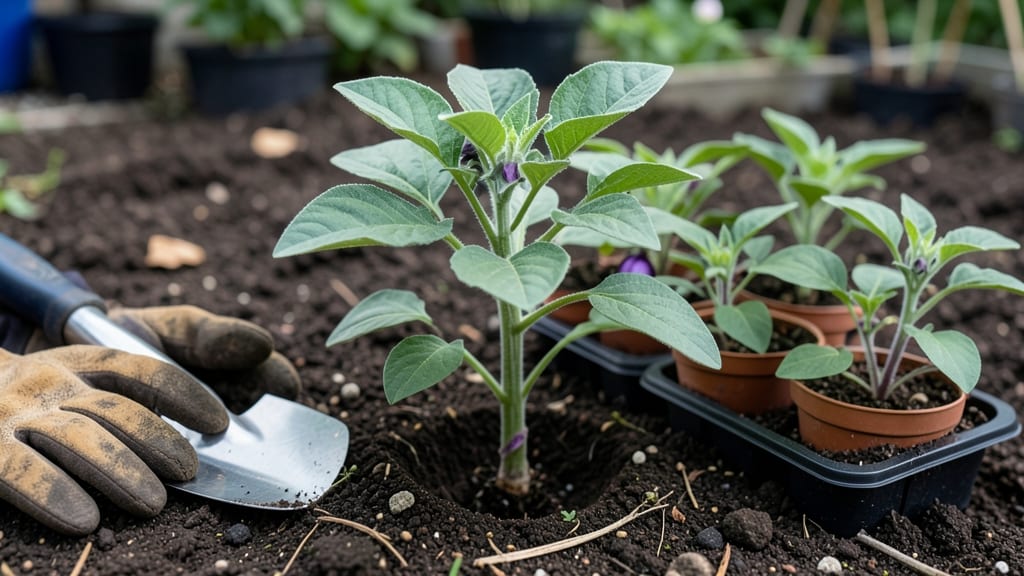
Planting eggplant in California isn’t just about checking a calendar—it’s about waiting for that perfect soil temperature that turns your garden into a 🍆 powerhouse. Too early, and your plants will wilt before they even take root; too late, and you’ll miss the sweet spot for a bountiful harvest.
The key? Understanding your region’s unique microclimate, whether you’re in frost-free coastal zones or inland valleys where even a light chill can spell disaster.
Most gardeners make the mistake of relying on calendar dates instead of soil warmth, but eggplants need consistent temps above 60°F to thrive.
In USDA zones 9a-11, that means coastal growers can plant year-round, while inland and desert gardeners should time their efforts for March-August—with a sharp eye on frost risks. I’ll show you exactly how to read your soil’s temperature cues and adjust your planting schedule for maximum success.
Why does this matter? Because the difference between a thriving eggplant patch and a sad, stunted one often comes down to one simple factor: timing.
Whether you’re starting seeds indoors or transplanting seedlings, knowing when to put them in the ground can mean the difference between a harvest in June and a failed crop by July. Let’s break down the science—and the secrets—so you can grow eggplants like a pro.
From coastal fog zones to desert heat islands, California’s climate throws curveballs at every turn. I’ll walk you through the best varieties for your region, how to prep your soil for success, and even how to extend your growing season if you’re in a cooler microclimate.
Ready to turn your garden into an eggplant oasis? Let’s get started.
California eggplant planting calendar by region: soil temp triggers over calendar dates
California’s diverse climate means eggplant planting success hinges on soil temperature, not just calendar dates. Unlike cooler climates, eggplants thrive best when soil reaches 60-65°F—a threshold often overlooked. Coastal areas like San Francisco can plant year-round, while inland valleys like Sacramento must wait for spring warmth.
Let’s break down the optimal planting windows by region to maximize your harvest.
Eggplants are heat-loving plants that struggle in cold soil. If planted too early, they’ll rot or fail to germinate. Using a soil thermometer (1-2 inches deep) is key—wait until temps stabilize above 60°F for 3 consecutive days.
In Southern California, this might mean March or September, while Northern California gardeners often wait until May or June. Let’s dive into the specifics.
Here’s how California’s three main regions differ in eggplant planting timing, including frost-free dates and soil temperature triggers:
| Region | USDA Zone | Soil Temp Trigger | Last Frost Date | Optimal Planting Window | Notes |
|---|---|---|---|---|---|
| Northern CA (San Francisco, Sacramento) | 9a-10a | 60-65°F (15-18°C) | Dec 15 - Jan 31 | May 15 - June 30 | Use black plastic mulch to warm soil. Coastal areas (e.g., San Francisco) can plant March-April. |
| Central CA (Los Angeles, San Diego) | 10a-11 | 60-65°F (15-18°C) | Dec 1 - Jan 15 | March 15 - July 15 | Year-round harvest possible in San Diego. Avoid summer heatwaves (above 95°F). |
| Southern CA (Palm Springs, Riverside) | 9b-10a | 65-70°F (18-21°C) | Dec 15 - Jan 15 | March 1 - May 30 or September 1 - October 15 | Fall planting avoids extreme summer heat. Use shade cloth if temps exceed 100°F. |
In Northern California, where cooler springs delay planting, black plastic mulch can raise soil temperatures by 5-10°F.
For example, in Sacramento (USDA Zone 9a), soil may only hit 60°F by late May, so starting seeds indoors 6-8 weeks earlier gives you a head start. San Francisco’s coastal fog can push planting back until June, but microclimates (like urban heat islands) may allow earlier starts.
Central California, including Los Angeles and San Diego, offers the most flexibility. San Diego’s mild winters let you plant as early as February, while LA’s inland valleys (like Santa Clarita) align closer to Northern CA timelines.
The key is monitoring soil temps—even in Zone 11, a cold snap can stall growth. Extend your season by using row covers or greenhouses in coastal areas.
Southern California’s desert regions, like Palm Springs and Riverside, present unique challenges.
While spring planting (March-May) is ideal, summer heat (often exceeding 100°F) makes fall planting (September-October) a smarter choice. Ichiban eggplants, a heat-tolerant variety, thrive here but still need afternoon shade during peak heat. Drip irrigation is a must to prevent blossom drop.
Pro tip: Adjust for microclimates. A south-facing wall can warm soil by 10°F compared to open ground. In coastal areas, plant near heat-absorbing surfaces like dark gravel or brick.
For container gardening, use black pots to speed up soil warming. Always harden off seedlings for 7-10 days before transplanting to avoid transplant shock.
Remember, eggplants are sensitive to cold but also heat
How to test soil temperature for eggplant success (and avoid common mistakes)
California’s diverse microclimates make soil temperature the real deciding factor for eggplant planting—not just calendar dates. While coastal areas like San Diego might see year-round growth, inland valleys like Sacramento need precise timing to avoid chilly soil that stunts seedlings.
The key? Testing soil temperature at the right depth and adjusting for your local conditions.
Eggplants thrive when soil reaches 60-65°F (15-18°C) at 1-2 inches deep, their ideal planting zone. This matches the root zone where young plants establish themselves. Using a soil thermometer (not air temperature!) ensures you’re planting at the perfect moment—whether you’re in USDA Zone 9b or Zone 11.
Skipping this step often leads to slow germination or seedlings that rot in cold soil.
⚠️ callout warning
💡 Pro Tip: Use black plastic mulch 1-2 weeks before planting to raise soil temp by 5-10°F in cooler areas like Northern California.
To test soil temperature accurately, insert a soil thermometer into the ground at 1-2 inches deep—this mimics where eggplant roots will grow. Take readings on a shady day (soil cools faster than air) and in the morning (temps are lowest).
For urban heat islands (like Los Angeles), soil can be 10°F warmer than rural areas, so adjust your planting window earlier.
Coastal fog zones (e.g., San Francisco) often have cooler soil even in summer. If your soil stays below 60°F after June 1st, consider container growing with heated mats or wait until July.
Conversely, desert areas like Palm Springs can plant as early as March when soil hits 65°F, but use shade cloth to prevent heat stress during 100°F+ days.
Late-season heatwaves can also throw off timing. If your area experiences sudden temperature spikes (like Sacramento in August), monitor soil temps closely—above 85°F can cause blossom drop or fruit deformities.
In these cases, mulch heavily with straw to insulate roots and water deeply at night to cool the soil.
Remember, eggplants hate cold feet. If your soil isn’t ready, start seeds indoors 6-8 weeks before your target planting date and transplant only when soil hits 60°F+. With the right timing, you’ll enjoy plump, glossy eggplants all season—no wilting in sight! 🍆