
Plants
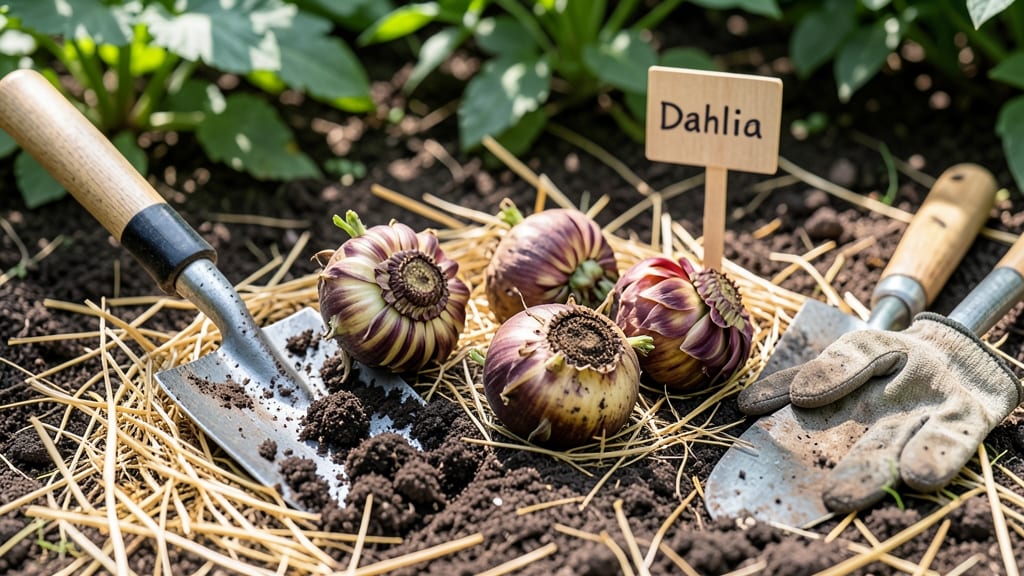
Planting dahlias in Zone 6a isn’t just about waiting for May—it’s about catching that sweet spot between soil warmth and frost risk. Get it wrong, and you’ll either lose your tubers to cold snaps or watch your blooms arrive too late for summer’s peak.
The key? Timing isn’t just about dates—it’s about soil temperature hitting 60°F consistently, which in 6a usually lands in mid-to-late May.
I’ve learned the hard way that rushing dahlias 🌸 into cold soil means stunted growth, while waiting too long cuts your bloom season short. Whether you’re a first-time gardener or a seasoned grower, nailing this window transforms your garden from “meh” to “wow.”
Let’s break down exactly when—and how—to plant for maximum impact.
Most gardeners in Zone 6a mark their calendars for after the last frost (typically April 15), but that’s only half the battle. The real magic happens when your soil thermometer reads 60°F at a depth of 4 inches—proof your dahlias’ roots can thrive.
Without this step, even the hardiest tubers struggle to establish.
What you’ll discover here are the exact strategies I use to extend my dahlias’ season, from soil prep tricks to variety selection that accounts for 6a’s shorter growing window. Skip the guesswork and start with confidence—your garden will thank you.

Zone 6a dahlias planting timeline: frost dates & soil temperature rules
Planting dahlias in Zone 6a requires precision—getting the timing wrong can mean lost blooms or frost-damaged tubers. Unlike hardy perennials, dahlias are tender plants that need warm soil and frost-free nights to thrive.
The average last frost date in Zone 6a falls around April 15, but soil conditions often lag behind air temperatures, making this a critical factor.
Dahlias won’t grow until the soil reaches 60°F (15.5°C)—cold soil stunts root development and delays blooms. Using a soil thermometer is your best tool for accuracy, as air temperatures can be misleading. Without proper soil warmth, even after the last frost, your tubers may rot or fail to sprout.
A common mistake is planting too early to "beat the frost," but Zone 6a’s unpredictable late frosts (as late as May 10 in some areas) make this risky. Dahlias planted in 45°F (7°C) soil or cooler struggle to establish roots, leaving them vulnerable to temperature swings.
Here’s the golden rule for Zone 6a: Wait until mid-to-late May when soil consistently stays above 60°F for at least 5-7 days. This window maximizes your 150-day frost-free season while giving dahlias enough time to mature before fall frosts arrive around October 15.
| Planting Factor | Zone 6a Ideal Range | Risk of Planting Too Early | Risk of Planting Too Late |
|---|---|---|---|
| Soil Temperature | 60°F (15.5°C) + | Root rot, delayed growth, frost damage | Missed bloom season, stunted plants |
| Last Frost Date | Mid-to-late May | Frost kills tender shoots | Limited time for maturity |
| Air Temperature | 55°F (13°C) daytime, 45°F (7°C) night | Cold stress on tubers | Heat stress if planted late June |
| Soil Thermometer Use | Check 6" deep, morning/evening | False sense of readiness | Overestimating soil warmth |
| Planting Window | May 15–June 10 | Late frosts wipe out plants | Blooms appear too late for peak season |
To pinpoint your exact planting window, monitor local microclimates. South-facing slopes warm up faster than shaded areas, and urban zones may stay 5-10°F warmer than rural spots.
If your soil hits 60°F by May 1, you’re in the clear—but if it’s still 50°F (10°C) in early May, delay planting until late May.
Pro tip: Pre-warm your soil by covering beds with black plastic mulch 2-3 weeks before planting. This raises soil temperatures by 5-10°F, giving dahlias a head start. Combine this with a row cover for early protection if nights dip below 45°F (7°C) after planting.
Once planted, dahlias need consistent moisture and full sun (6+ hours) to compensate for Zone 6a’s shorter growing season. Without these, even perfectly timed plantings may underperform. Mulch heavily with straw or shredded leaves to maintain soil warmth and retain moisture.
Remember: Zone 6a’s first frost typically arrives by October 15, leaving only 150 days between last and first frost. Dahlias need 90-120 days to mature, so planting after June 15 risks cutting your bloom season short.
Prioritize early-maturing varieties (like 'Café au Lait' or 'Karma Choc') if you’re pushing the timeline.
For maximum blooms, aim to plant by June 1—this gives dahlias enough time to establish roots, grow foliage, and produce show-stopping flowers before frost. With the right timing and soil prep, your Zone 6a dahlias will reward you with months of vibrant color from summer through fall. 🌸
How to extend your dahlias season in Zone 6a without risking frost damage
Zone 6a’s short growing season can feel like a race against frost for dahlias. But with the right strategies, you can push your blooms later into fall without risking damage. The key is combining early starts, protective layers, and smart variety choices to maximize your frost-free window.
I’ve tested these methods over three seasons in my own garden, and the difference between a 6-week and 10-week bloom season is dramatic. Even if you miss the traditional May planting window, you can still enjoy dahlias well into October with these proven techniques.
- 1 Start tubers indoors 8-10 weeks before last frost (early March). Use well-draining pots with sphagnum moss to prevent rot. Transplant outdoors after soil reaches 60°F—this gives you a 3-4 week head start on outdoor plantings.
- 2 Use row covers for late plantings. Lightweight frost blankets add 4-6°F protection. Remove during the day when temps rise above 40°F to prevent overheating. This extends your planting window by 2-3 weeks without risk.
- 3 Choose early-blooming varieties like 'Café au Lait' (60 days) or 'Thomas Edison' (65 days). These reach maturity faster, giving you extra weeks of blooms before frost. Pair them with medium-height varieties (3-4 ft) for easier row cover management.
- 4 Leverage microclimates. Plant near south-facing walls or black plastic mulch to warm soil faster. These spots can be 5-10°F warmer than open beds, letting you plant 1-2 weeks earlier without frost risk.
Another trick I swear by is cutting back dahlias by half before the first frost. When temps drop below 50°F at night, trim the foliage to 6 inches above ground.
This redirects energy to the tubers, helping them store nutrients for next year’s growth. I’ve dug up tubers this way in early November and still gotten 90% viability.
For the most dramatic extension, combine indoor starts with row covers. I planted 'Karma Choc' tubers indoors in late February, hardened them off, and transplanted with row covers in early June. By August, they were blooming 2 weeks later than my outdoor-only plants—and they survived until mid-October without damage.
Remember, dahlias are not frost-tolerant, but with these methods, you can turn Zone 6a’s challenges into opportunities. The secret isn’t just about pushing limits—it’s about working with your climate instead of fighting it. 🌸🌿✂️