
Plants
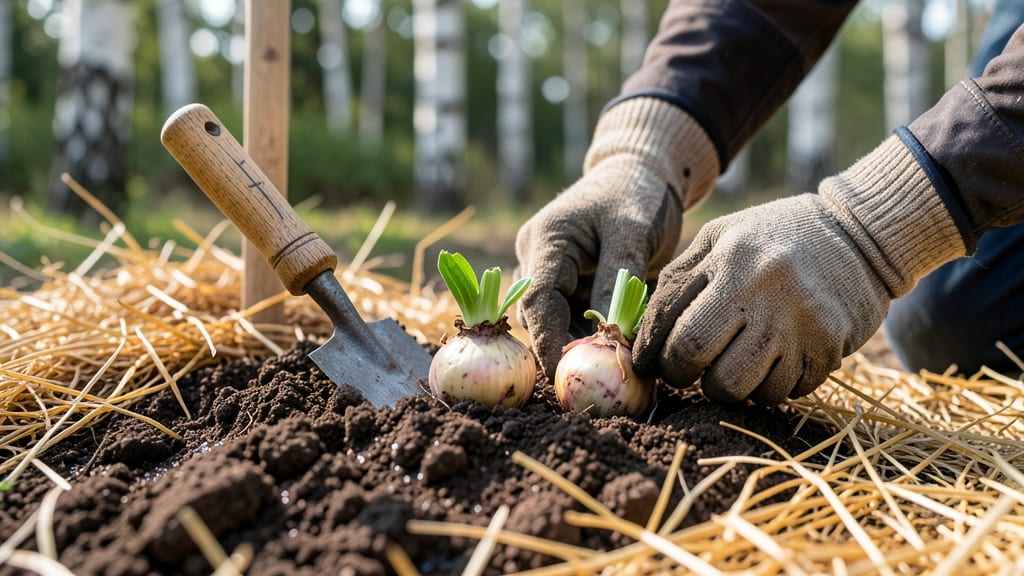
Planting dahlias in Texas isn’t just about timing—it’s about surviving the heat while still getting those showstopping 🌼 blooms. Too early, and your tubers will rot; too late, and you’ll miss the summer display entirely.
The key is knowing when to start in your specific zone, whether you’re in North Texas’s cooler stretches or South Texas’s relentless sun.
Most Texas gardeners should aim for February through April, once the soil warms to at least 60°F and the last frost has passed.
But if you want a second wave of color, late summer planting in August or September can still yield stunning fall blooms before the first frost hits. The trick? Adjusting for your region’s microclimate—North Texas may need a head start, while South Texas can stretch deadlines.
I’ve learned the hard way that rushing dahlias into the ground too soon leads to wilted stems and missed blooms. That’s why I’m sharing my step-by-step timeline, including soil prep tips and heat-beating strategies to keep your dahlias thriving until winter’s first chill.
Let’s get those tubers in the ground the right way—so you’re not left with sad, sunburned stems by July.
Ready to transform your garden into a dahlia paradise? We’ll cover everything from choosing the right varieties for Texas heat to watering schedules that prevent stress. By the end, you’ll know exactly when to plant for maximum blooms—no guesswork, just vibrant flowers from summer to frost.
Texas heat zones: ideal dahlias planting dates by region
Texas gardeners know timing is everything—plant dahlias too early, and they’ll bolt in the heat; too late, and they won’t bloom before winter’s first chill. Mastering the perfect planting window means vibrant blooms from summer until frost.
The key lies in understanding your USDA heat zone, soil temperature thresholds, and last-frost dates—all of which vary dramatically from North to South Texas.
Dahlias thrive when planted after the soil warms to 60°F (15°C), but Texas’s diverse climate means your planting schedule should shift based on whether you’re in Zone 7b-8a (North Texas), Zone 8a-8b (Central Texas), or Zone 9a-9b (South Texas).
In cooler zones, aim for March–April after the last frost, while South Texas gardeners can start as early as February or even late January in mild winters.
For zero-frost survival, South Texas gardeners can push boundaries by planting in August–September for stunning fall blooms. This strategy works because these regions rarely experience frost before November 15, giving dahlias enough time to establish roots and flower before winter sets in.
Here’s how to align your planting with Texas’s heat zones, including soil temperature thresholds and frost-free adjustments:
| Region & Zone | Last Frost Date | Ideal Planting Window | Soil Temp Threshold | Fall Planting (Zero-Frost) |
|---|---|---|---|---|
| North Texas (7b-8a) | March 15 | March 20–April 15 | 60°F (15°C) | Not recommended (frost risk) |
| Central Texas (8a-8b) | February 28 | March 1–April 10 | 60°F (15°C) | August 15–September 15 |
| South Texas (9a-9b) | January 15 | February 1–March 15 | 55°F (13°C) | August 1–September 30 |
In North Texas (Zone 7b-8a), where frost lingers until March 15, dahlias should wait until March 20–April 15 to avoid heat stress. Start tubers indoors in February for a head start, then transplant once soil temperatures stabilize above 60°F (15°C).
This region’s shorter growing season demands early planting to maximize blooms before the first frost in December.
Central Texas gardeners in Zone 8a-8b enjoy a longer window, planting from March 1–April 10 when soil warms to 60°F (15°C). The real advantage here?
A fall planting window (August 15–September 15) for zero-frost dahlias. Choose heat-tolerant varieties like ‘Bishop’ or ‘Café au Lait’ to ensure vibrant blooms until November.
South Texas’s Zone 9a-9b is the goldmine for dahlias, with mild winters allowing February–March plantings and a second chance in August–September. Soil can be planted as early as 55°F (13°C), and frost is rare before November 15.
For fall blooms, focus on dwarf varieties like ‘Mignon’ series, which handle heat better and bloom faster.
Pro tip: Use a soil thermometer to confirm readiness—dahlias won’t thrive in cold soil. In all regions, mulch heavily after planting to retain moisture and regulate soil temperature, especially during Texas’s brutal summer heat waves.
With the right timing, your dahlias will reward you with months of cut-flower perfection.
Remember, dahlias are tender perennials—they won’t survive Texas winters in the ground. Dig up tubers before the first frost and store them in cool, dry conditions (like a garage) until next year’s planting season. This simple step ensures you can repeat your stunning displays year after year.
🌼
Preventing heat stress: pro tips for dahlias in Texas summers
Texas summers can turn your dahlias from showstoppers to sad, wilted stems faster than you can say "100-degree heat wave." The key to keeping them blooming is proactive heat management—not just after they’re already struggling.
I’ve learned that dahlias like ‘Café au Lait’ and ‘Bishop’ can handle the heat better than most, but even they need help when temperatures climb above 95°F.
Start with mulching—not just any mulch, but a thick layer (3-4 inches) of straw or wood chips to insulate the soil. This keeps roots cooler by up to 10°F and retains moisture. I swear by straw because it breaks down slowly, feeding the soil as it decomposes.
Pair this with drip irrigation set to run in the early morning (before 8 AM) to avoid evaporation and fungal issues.
If your dahlias show yellowing leaves, drooping stems, or brown edges, they’re already heat-stressed. Act fast: Move them to partial shade (50% shade cloth) immediately and increase watering to daily deep soakings. Without intervention, they’ll stop blooming and may die back entirely.
For shade cloth timing, I recommend installing it by mid-June if your dahlias are already planted. Use a 30-40% shade cloth—lighter than you’d think—because dahlias still need sunlight to bloom.
Secure it with stakes or a trellis frame to avoid tearing. I’ve seen dahlias under shade cloth continue blooming well into October, while unprotected plants peter out by early September.
Watering is where most gardeners trip up. Dahlias need 1-2 gallons of water per plant every 2-3 days in summer, but never wet the foliage—this invites powdery mildew. I use a soaker hose buried at the base of the plant to deliver water directly to the roots.
Pro tip: Add a mulch ring around the base to slow evaporation and keep the soil consistently moist.
Not all dahlias are created equal when it comes to heat tolerance. Varieties like ‘Café au Lait’ (creamy white blooms) and ‘Bishop’ (deep red) handle Texas heat better than delicate varieties like ‘Arabian Night’.
If you’re just starting, stick to heat-tolerant varieties—they’ll reward you with blooms even when the mercury climbs. For extra protection, I’ve had success with whitewashed pots (to reflect sunlight) for container-grown dahlias.
Finally, prune strategically to reduce stress. Cut back any leggy stems by one-third in early summer to encourage bushier growth and more blooms. Just avoid heavy pruning after mid-August, as new growth won’t have time to harden off before frost.
With these tips, your dahlias will thrive through Texas summers and keep blooming until the first frost—no sad, wilted stems in sight!