
Plants
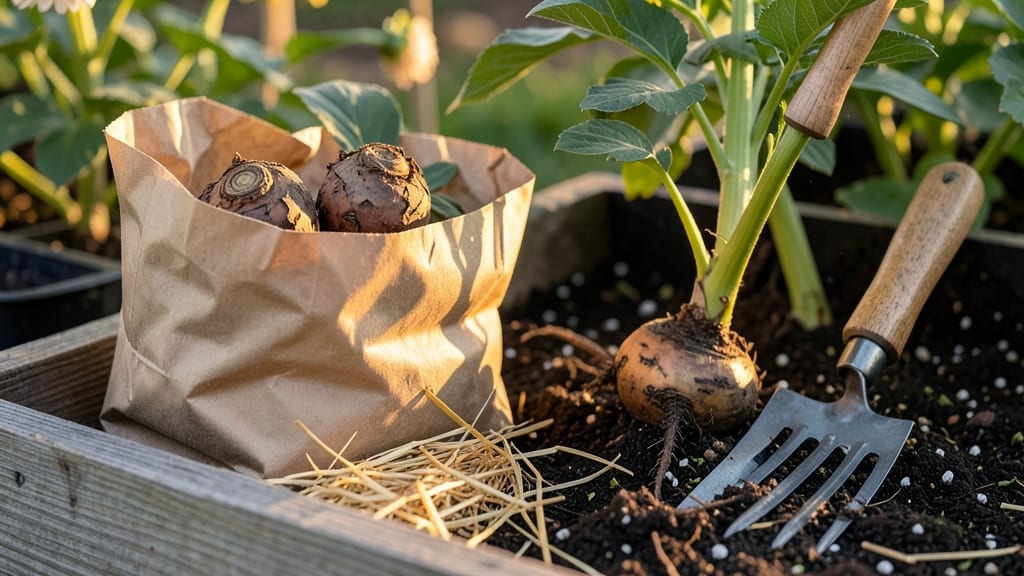
Planting dahlias in Minnesota isn’t just about waiting for spring—it’s about catching that perfect frost-free window between mid-May and early June when the soil warms enough to support their delicate tubers. Too soon, and a late frost will turn your 🌸 dahlia dreams into sad, wilted stems.
Too late, and you’ll miss the chance to enjoy those bold blooms that make summer gardens unforgettable.
I’ve learned the hard way that Minnesota’s unpredictable weather demands patience. Whether you’re in Zone 4a or 5b, the key is watching for soil temperatures to hit at least 60°F—a signal that the ground is finally ready.
This timing ensures your dahlias get a strong start before summer’s heat kicks in, giving you three glorious months of vibrant color from July until the first frost.
But here’s the thing: even with the best timing, dahlias need a little extra care to thrive in our climate. From mulching to protect against late frosts to staking for those towering varieties, there are simple tricks to extend your blooming season.
Let me show you exactly how to set yours up for success—so you can enjoy those show-stopping flowers all summer long.
Ready to transform your garden into a dahlia paradise? Let’s break down the exact steps to plant yours at the right time, keep them healthy, and maximize those stunning blooms—no matter where you are in the state.
Minnesota dahlia planting timeline by hardiness Zone (with frost dates)
Timing your dahlia tubers correctly in Minnesota means the difference between a garden bursting with bold blooms and wasted effort. Since Minnesota spans USDA Zones 3-5, frost dates vary dramatically—from late May in the north to early June in the south.
I’ll break down the exact planting windows for each zone, plus how to adjust for unpredictable early/late springs that Minnesota is famous for.
Dahlias are tender perennials that won’t survive frost, so waiting for soil temperatures to hit 60°F (15°C) is non-negotiable. In Zone 3, this often means waiting until late May or early June, while Zone 5 gardeners can start as early as mid-May.
The key is balancing frost risk with the 2-week window before summer heat sets in—plant too late, and your dahlias will struggle to establish roots before the July heatwave arrives.
Pro Tip: Use a soil thermometer to confirm readiness. If your soil is still chilly, hold off—even if your neighbors are planting. Dahlias despise cold soil, and soggy roots from early planting lead to rot and poor growth. Patience here pays off with vibrant, long-lasting blooms all summer.
| Zone | Avg. Last Frost | Ideal Planting Window | Soil Temp Requirement | Adjust for Late Spring? |
|---|---|---|---|---|
| Zone 3 | May 20–25 | June 1–10 | 60°F (15°C) minimum | Use row covers or cold frames |
| Zone 4 | May 10–15 | May 25–June 5 | 60°F (15°C) minimum | Plant in raised beds for warmth |
| Zone 5 | May 5–10 | May 15–30 | 60°F (15°C) minimum | Start tubers indoors in April |
*Adjust dates 1–2 weeks earlier/later based on your microclimate.
Before you plant, prep your tubers properly. Start by cutting back the previous year’s growth to 2–3 inches and letting the tubers dry out for 1–2 days in a cool, dark place. This prevents rot and encourages new growth.
Once your soil is warm and frost-free, dig holes 4–6 inches deep and space them 12–18 inches apart—closer for dwarf varieties, farther for towering Café au Lait types.
Minnesota’s unpredictable weather can throw off even the best-laid plans. If you’re in Zone 3 or 4 and face a late spring, consider starting tubers indoors in early April under grow lights.
Plant them out once the soil warms, but be ready to protect them with row covers if frost sneaks back. In Zone 5, you might even squeeze in an early April planting if your soil drains well and you’re using black plastic mulch to warm the soil faster.
Don’t forget to amend your soil before planting. Dahlias thrive in loamy, well-draining soil with a pH of 6.5–7.0. Mix in compost or aged manure to boost fertility, and avoid fresh manure, which can burn tender roots.
A handful of bone meal at planting time gives them a phosphorus boost for strong root development.
After planting, mulch heavily with straw or shredded leaves to retain moisture and regulate soil temperature. In Minnesota’s hot summers, mulch also prevents the soil from getting too dry too quickly.
Water deeply but infrequently—aim for 1–1.5 inches per week, letting the top 2 inches of soil dry out between waterings. Overwatering leads to root rot, while underwatering causes drooping blooms.
Your dahlias will reward you with stunning blooms from July through frost, but timing is everything. Plant too early, and frost will kill your tubers before they sprout. Plant too late, and you’ll miss the peak bloom window as summer heat arrives.
By following this zone-specific timeline, you’ll ensure your dahlias thrive all season long—no matter where in Minnesota you garden.
🌸
5 Signs your Minnesota dahlia tubers are ready for planting (and when to delay)
Don’t rush to plant those dahlia tubers just because the calendar says May! Minnesota’s unpredictable spring means waiting for the right cues can mean the difference between vibrant blooms and frost-damaged tubers. The key is checking for these 5 readiness signs—not just dates.
Cold soil or premature planting can stunt growth, so let’s break down what to look for before sticking your tubers in the ground.
First, examine the tuber eyes. These are the small, bump-like growth points where stems will emerge. For optimal planting, your tubers should have 2-3 active eyes that are firm and plump.
If they’re still dormant (shriveled or brown), delay planting—your dahlias won’t thrive until the soil warms to at least 60°F. Pro tip: Place tubers in a cool, dark spot (like a garage) to encourage eye development without forcing early growth.
Next, check for root growth. Healthy tubers will sprout white, fibrous roots about 1-2 inches long when placed in a container with moist potting mix. If roots are slow to appear or mushy, your tubers aren’t ready.
This step is crucial in Minnesota’s Zone 4-5 climate, where cold snaps linger. Wait until roots are 1-2 inches long before planting outdoors.
-
1Tuber Eyes Are Firm and Plump
2-3 active eyes signal readiness; dormant eyes mean delay planting. -
2Soil Temperature ≥60°F
Use a soil thermometer—cold soil stunts root growth. -
3Roots 1-2 Inches Long
Test by placing tubers in moist mix; wait for fibrous roots. -
4No Signs of Rot or Mold
Discard tubers with soft spots or foul odors—these won’t survive. -
5Last Frost Date Passed
Check your zone—Minnesota’s average is mid-May, but late frosts happen!
⚠️ Common Mistake: Planting too soon in cold soil causes root rot or stunted growth. Always verify soil temp!
Minnesota’s late spring frosts can sneak up even after Memorial Day, so combine these signs with your local frost-free date. For extra protection in colder zones, use row covers or a cold frame to create a microclimate.
Plant tubers in pots first, then transplant after the last frost—this buys you 2-3 extra weeks of safety. Just remember: patience pays off with dahlias!
Finally, avoid the temptation to plant bare-root tubers in April, even if they’re sprouting indoors. Cold soil will shock the roots, and your dahlias may bolt or rot. Instead, wait until the soil is workable (not just the air warm) and the tubers show active growth.
With these signs in mind, you’ll be rewarded with bold, healthy blooms that steal the show all summer long.
Once planted, keep an eye on soil moisture and staking needs—but that’s a story for our next section! For now, trust your tubers’ signals and enjoy the peace of mind that comes from planting at the perfect time. 🌸