
Plants
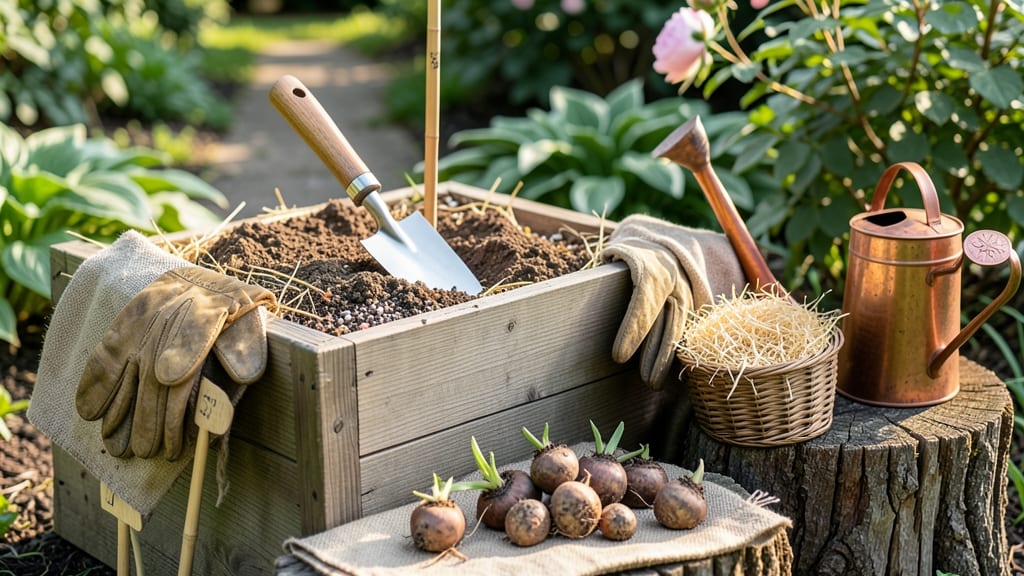
Planting dahlias in Tennessee at the wrong time can mean the difference between a garden bursting with 🌼 blooms and a season of disappointment.
The key isn't just waiting for spring—it's knowing exactly when your USDA 6a-7b zone signals it's safe to plant, typically between April 15 and May 15 after the last frost.
Many gardeners rush to get dahlias in the ground as soon as temperatures warm up, but that can be a costly mistake. Cold soil and lingering frost can stunt growth or even kill your tubers before they have a chance to establish roots.
The secret is patience—waiting until the soil reaches at least 60°F and all frost risk has passed.
Here's what you need to know to time your dahlias perfectly: when to start tubers indoors (if you're eager to get a head start), how to monitor local frost dates, and the simple soil prep tricks that make all the difference.
Let's dive into the exact steps to ensure your dahlias thrive from the moment they hit the dirt.
Whether you're a first-time grower or a seasoned gardener, getting the timing right is the most important factor for healthy plants and stunning flowers. I'll walk you through everything from frost dates to post-planting care so you can enjoy a dahlia display that lasts from summer through fall.
Tennessee dahlia planting dates by USDA Zone (with frost risk alerts)
Tennessee spans USDA Zones 6b through 7a, creating a 2-3 week window for planting dahlias without frost damage. In Zone 6b (cooler areas like the Cumberland Plateau), wait until May 1 after your last frost date.
For Zone 7a (warmer regions like Memphis), you can plant as early as mid-April—but only if nighttime temps stay above 50°F (10°C).
Dahlias are frost-sensitive tubers that won’t survive temperatures below 32°F (0°C). Even a light frost can kill emerging shoots, so always check your local frost-free date (typically March 15–April 15 in Tennessee). Use the National Weather Service or Almanac.com to verify your specific county’s last frost risk.
Soil temperature is just as critical as air temperature. Dahlias need soil at 60°F (15°C) to sprout reliably. In Zone 6b, this usually happens by late April, while Zone 7a may reach it as early as mid-April.
Use a soil thermometer to confirm before planting—cold soil delays growth and weakens roots.
| USDA Zone | Last Frost Date | Ideal Planting Window | Soil Temp Requirement | Frost Risk Alert |
|---|---|---|---|---|
| 6b (e.g., Knoxville, Chattanooga) | April 15–May 1 | May 1–May 15 | 60°F (15°C)+ | High risk before May 1 |
| 7a (e.g., Nashville, Memphis) | March 30–April 15 | April 15–April 30 | 60°F (15°C)+ | Moderate risk before April 15 |
| Microclimates (e.g., valleys, urban heat islands) | March 15–April 1 | April 1–April 15 | 60°F (15°C)+ | Low risk with row covers |
If you’re eager to start earlier, consider indoor tuber chitting in late February. Place tuber eyes upward in a moist paper towel under grow lights to encourage sprouts.
Once sprouts reach 2–3 inches, transplant them into biodegradable pots with seedling mix and harden off for 1–2 weeks before outdoor planting.
For gardeners in Zone 6b, use row covers or black plastic mulch to warm soil faster. Lay down mulch 2–3 weeks before planting to raise soil temps by 5–10°F.
In Zone 7a, you can skip mulch but still monitor nighttime temps—dahlias wilt if exposed to below 40°F (4°C) for more than 24 hours.
Pro tip: Plant tall varieties (4–6 ft) in late April to avoid wind damage from early spring storms. Dwarf varieties (8–18 inches) can handle slightly earlier planting (as early as mid-April in Zone 7a) because they’re more stable in breezy conditions.
After planting, mulch with 2–3 inches of straw or shredded leaves to insulate roots and retain moisture. This is especially critical in Zone 6b, where late frosts can linger into early May. Water deeply once a week to establish roots before the heat of summer.
Missed the window? Don’t panic. You can still plant until June 1 in Zone 7a, though blooms will arrive 4–6 weeks later. In Zone 6b, avoid planting after May 15—the growing season is too short for dahlias to mature before first frost (November 15).
Use this frost-free date calculator to pinpoint your exact planting window: Almanac’s Frost/Freeze Tool. Enter your ZIP code for hyper-localized advice tailored to Tennessee’s microclimates.
🌼
How to time your dahlias for maximum blooms: soil, weather, and prep checklist
Timing your dahlia tubers correctly in Tennessee ensures vibrant blooms all season.
The key is waiting until after the last frost date—typically mid-April in most regions—but also preparing your soil and tubers ahead of time. Soil temperature should reach at least 60°F (15°C) before planting, and your tubers need proper hardening to survive transplant shock.
Start by testing your soil pH—dahlias thrive in slightly acidic to neutral soil, with an ideal range of 6.0-7.0. Amend your soil with compost or aged manure to improve drainage and fertility.
If your soil is heavy clay, consider mixing in sand or perlite to prevent waterlogging, which dahlias hate. Moisture levels should be consistently damp but not soggy, so plan your planting after a steady rain or when your garden is well-irrigated.
If you’re in West Tennessee (Zone 7a), you can plant as early as late March, but East Tennessee (Zone 6b) gardeners should wait until mid-April. Use a soil thermometer to confirm warmth—dahlias won’t sprout until the soil reaches 60°F (15°C).
For extra insurance, especially in high-altitude areas, opt for black plastic mulch to warm the soil faster.
Once your dahlias are in the ground, stake or cage them early to support their heavy blooms. Pinch back the main stem when it reaches 12 inches tall to encourage bushier growth.
With proper timing and care, your dahlias will reward you with continuous blooms from July through frost. 🌼
Pro tip: Mark your planting dates on a garden calendar so you don’t forget next year. Tennessee’s unpredictable spring weather makes consistency key—don’t rush! Wait for the perfect conditions, and your dahlias will thrive. ✂️