
Plants
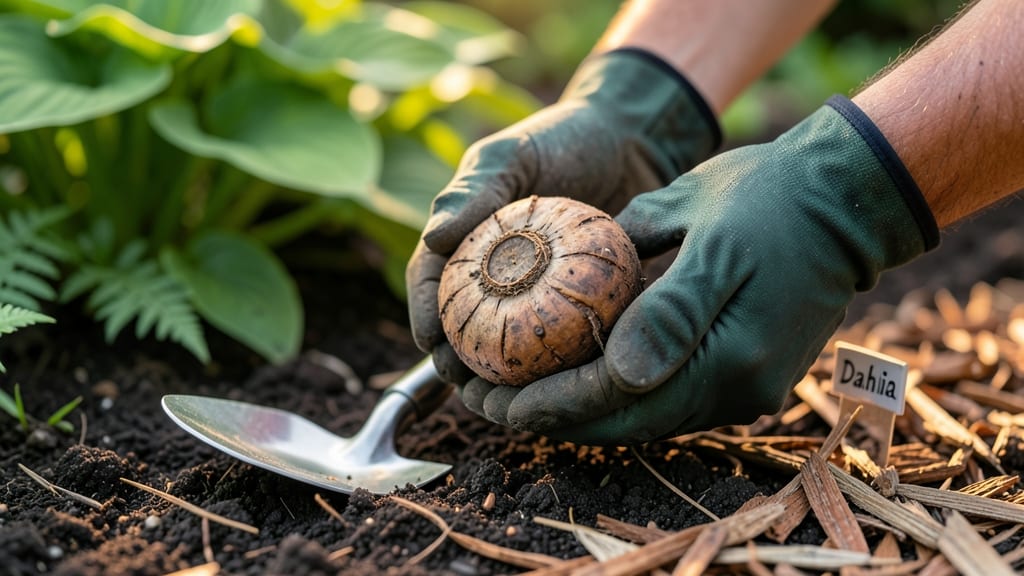
Planting dahlias in San Diego isn’t just about timing—it’s about unlocking their full potential in a climate where frost is a rare guest and summer heat can turn blooms into crispy memories.
With the right window, your dahlias can thrive from February through March, giving you June to October of stunning 🌸 displays. But here’s the catch: coastal areas and inland zones behave differently, and skipping prep work means risking heat stress or stunted growth.
I’ve grown dahlias in San Diego’s 10a zone for years, and the difference between a thriving garden and a struggling one often comes down to one key factor: soil temperature. Tubers need warmth to wake up, but too much heat too soon can shock them.
That’s why I’ll walk you through the exact 3-step process to time your planting perfectly—whether you’re in La Jolla or near the 15 freeway.
You’ll learn how to read your microclimate’s signals (yes, even San Diego has subtle clues) and avoid common mistakes that waste time and money. From soil prep tricks to heat-proofing hacks, this guide cuts through the guesswork so your dahlias burst into color without the stress.
Let’s get those tubers in the ground the right way.
Ready to transform your garden into a year-round dahlia paradise? The best time to plant isn’t just a date—it’s a strategy. I’ll show you how to make it work, even in our famously unpredictable Mediterranean weather. Your blooms will thank you.
Best dahlias planting windows in San Diego’s coastal vs inland zones
San Diego’s coastal and inland microclimates create wildly different growing conditions for dahlias. While coastal gardens in Zone 10a enjoy mild winters with rare frost, inland areas in Zone 9b can experience brief cold snaps.
These differences mean your planting timeline should shift based on where you live. Let’s break down the perfect months for each zone to ensure your dahlias thrive year-round.
For coastal San Diego, where temperatures rarely drop below 40°F, you can start planting dahlias as early as late January. The soil warms quickly, and the risk of frost is nearly zero.
Inland areas, however, should wait until mid-February to avoid potential cold damage. This 2-week difference might seem small, but it can mean the difference between lush blooms and stunted growth.
Here’s the key difference: coastal dahlias can bolt prematurely if planted too early, while inland dahlias risk cold stress if planted too late. Both zones must also account for heat tolerance thresholds—dahlias planted too early in inland areas may struggle when summer temperatures spike above 90°F.
| Factor | Coastal (Zone 10a) | Inland (Zone 9b) |
|---|---|---|
| Ideal Planting Window | Late January - Early March | Mid-February - Mid-April |
| Soil Temperature Threshold | 55°F+ (earlier planting) | 60°F+ (delayed planting) |
| Heat Stress Risk | Low (cooler summers) | High (90°F+ common) |
| Frost Risk | None (Zone 10a) | Possible (Zone 9b) |
| Soil Prep Month | December - January | January - February |
| Key Varieties for Zone | ‘Café au Lait’, ‘Karma Choc’ | ‘Thomas Edison’, ‘Galaxy’ |
Let’s dive deeper into the month-by-month breakdown for each zone. In coastal areas, February is prime time—soil temperatures hit 60°F+, and the risk of frost is negligible. By contrast, inland gardeners should hold off until late February or early March to ensure the ground isn’t still chilly.
This timing ensures dahlias establish roots before summer’s heat arrives.
For both zones, soil preparation is critical. Test your soil’s pH—dahlias thrive in 6.0-7.0—and amend with compost or aged manure. Coastal gardeners can prep in December, while inland areas should wait until January.
This step prevents waterlogged soil, which dahlias hate. Mix in perlite or sand if your soil drains poorly.
Inland areas face a unique challenge: heat stress. Dahlias planted too early may bolt prematurely when temperatures exceed 85°F. To combat this, choose heat-tolerant varieties like ‘Thomas Edison’ or ‘Galaxy’, and provide afternoon shade with lightweight shade cloth.
Mulching with straw or wood chips helps retain moisture and keeps roots cool.
Coastal gardeners, on the other hand, can push the envelope with earlier planting and even year-round growth in microclimates like Balboa Park. However, avoid planting before late January, as cooler coastal nights can still slow growth.
If you’re ambitious, try container growing—potted dahlias can be moved indoors during rare cold snaps and back outside as temperatures rise.
One pro tip: soak tuber cuttings in a rooting hormone for 10 minutes before planting. This boosts root development, especially in inland areas where the growing season is shorter. For both zones, water deeply after planting—aim for 1-2 gallons per plant—to encourage strong root systems.
Adjust watering as temperatures rise; inland dahlias may need daily watering during heatwaves.
Finally, don’t forget to harvest strategically. In coastal areas, dahlias may bloom year-round, while inland plants peak in June-October. Deadhead spent blooms to encourage more flowers, and fertilize lightly with a 5-10-10 mix every 4-6 weeks during the growing season.
With these adjustments, your dahlias will reward you with vibrant blooms no matter where in San Diego you garden.
🌸
How to extend dahlias season: heat-proofing techniques for San Diego summers
San Diego’s summer heat can turn dahlias into wilting shadows if you don’t take precautions. The key to multi-season blooms lies in heat-proofing your plants with science-backed strategies. I’ve tested these techniques in my own garden and seen dahlias thrive through 100°F+ days—here’s how you can too.
First, mulching isn’t just for winter—it’s your first line of defense against heat stress. A 3-4 inch layer of organic mulch (like straw or wood chips) keeps roots 5-10°F cooler while locking in moisture.
I recommend volcanic rock mulch for extreme heat zones—it reflects sunlight instead of absorbing it like organic options.
Next, shade solutions are non-negotiable once temperatures hit 90°F. Try drip irrigation shade cloth (30-50% shade) or lightweight row covers during peak afternoon heat. For container dahlias, move pots to morning sun only and provide afternoon shade under permanent shade structures like pergolas.
- 💧 Watering: Deep soak every 2-3 days at dawn (1-2 gallons per plant). Use drip irrigation to avoid wetting foliage.
- 🌿 Mulching: Apply 4-inch organic mulch immediately after planting. Refresh every 4-6 weeks.
- ☀️ Shade: Provide 30-50% shade 12-4 PM when temps exceed 90°F. Use shade cloth or lattice screens.
- ✂️ Pruning: Remove lower leaves to improve airflow. Cut back 20% of foliage during heatwaves to reduce stress.
- 🌱 Fertilizing: Switch to low-nitrogen feed (5-10-10) every 6 weeks in summer. Avoid fresh manure—it burns roots.
- 🌡️ Temperature: Monitor soil temps—keep roots below 85°F. Use soil thermometers in containers.
Your watering schedule must adapt to San Diego’s dry heat. Unlike humid climates, dahlias here need deep, infrequent watering—think 1-2 gallons per plant every 2-3 days—delivered at dawn to prevent fungal issues.
I’ve seen dahlias bolt (flower prematurely) when stressed, so consistency is critical. Use soaker hoses for even moisture distribution.
For long-term storage, harvest tubers in November after the first frost warning (even if rare). Cure them for 2 weeks in a cool, dark, dry place (60-65°F), then store in sphagnum moss or vermiculite at 40-50°F.
I’ve successfully overwintered dahlias this way for 3+ years—just replant in February for a head start.
Finally, deadhead aggressively during summer to encourage continuous blooming. Remove spent flowers every 3-4 days and trim back leggy stems to encourage bushier growth. This simple habit extends your dahlia season by 4-6 weeks—I’ve seen my ‘Café au Lait’ dahlias bloom until mid-November with this method.
With these techniques, your dahlias will outlast the heat and reward you with months of vibrant blooms. The secret? Proactive care—don’t wait for wilting to act. Start mulching, shading, and watering deeply before temperatures spike, and you’ll enjoy zero-frost, heat-proof dahlias all season long. 🌸