
Plants
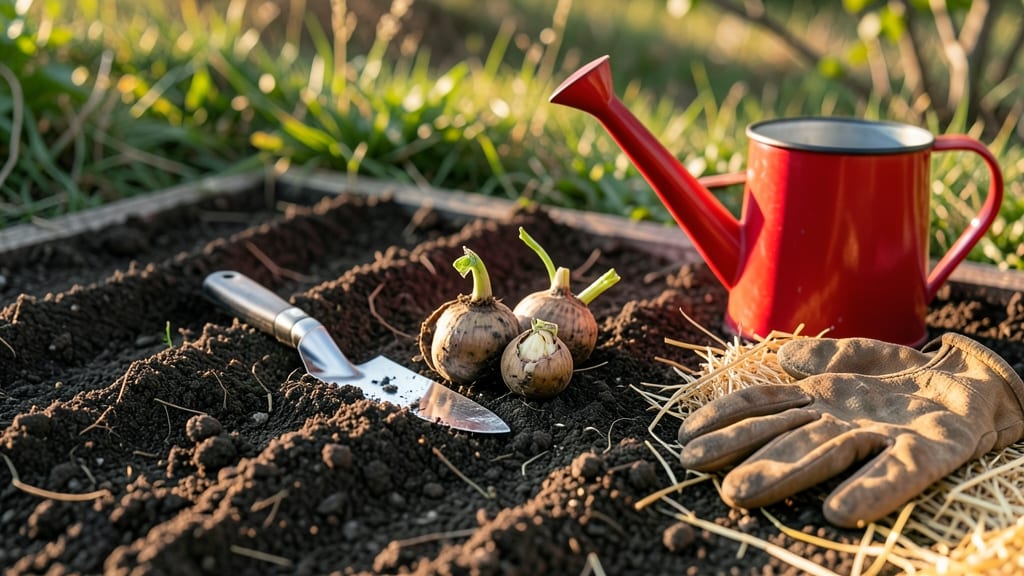
Planting dahlias in South Africa isn’t just about picking a month—it’s about catching that perfect window when the soil warms up and frost risks vanish for good. 🌼 Skip this timing, and you might end up with leggy stems or blooms that never open.
The secret lies in understanding your region’s microclimate, whether you’re in coastal Cape Town or the cooler highlands near Johannesburg.
Most gardeners in zones 9a-10b wait until August–October to plant tubers, but the real magic happens when soil temperatures hit 15°C+. That’s your cue to dig in—before then, and your dahlias will struggle to establish roots.
I’ll show you exactly how to test soil readiness and adjust for areas where autumn’s unpredictable weather can throw off even the best-laid plans.
Here’s the kicker: tubers and seeds don’t play by the same rules. Tubers need that warm soil to wake up, while seeds can handle cooler starts—if you’re patient enough.
We’ll break down the 3-step process to time your planting like a pro, so you’re not left scrambling when the first frost (yes, it does happen in some areas) sneaks up.
Ready to grow dahlias that burst with color from December to May? Let’s dive into the soil prep, frost-free timelines, and post-planting care that’ll keep your 🌼 blooms thriving—no guesswork required.
Optimal dahlias planting timeline in South Africa by region (soil temp & frost-free guides)
South Africa’s diverse climate means your dahlia planting window varies dramatically between regions—from frost-free Cape Town to cooler highland areas like Johannesburg. The golden rule? Wait until soil temperatures hit 15°C+ and frost risk has passed.
In most areas, this lands between late August and October, but altitude and coastal influences shift these dates by weeks.
For tuber planting (the most common method), timing is critical—plant too early, and cold soil triggers rot; too late, and you miss the 120-day bloom window before winter sets in. Seed sowing, meanwhile, starts 6-8 weeks earlier in controlled conditions, but requires careful hardening-off before transplanting.
Let’s break it down by region, including soil temperature thresholds and frost-free dates that’ll make or break your dahlias.
In Cape Town, your coastal location gives you a head start—plant tubers as early as late August when soil warms to 15°C. The rare frost risk means you can push boundaries, but avoid planting before soil temperature stabilizes to prevent tuber rot.
For seed sowing, start indoors in July and harden off seedlings by early September.
Johannesburg’s high-altitude climate demands patience. Soil temperatures lag behind coastal areas, so wait until late September when frost risk has passed. If you’re above 1,500m, delay planting by 2 weeks per 1,000m—Drakensberg gardeners often wait until early October.
Seed sowing indoors in August gives seedlings time to mature before transplanting.
Durban’s subtropical warmth is a dahlia lover’s dream. Plant tubers in August when soil reaches 15°C, and enjoy year-round blooms with minimal frost risk. Seed sowing starts even earlier—in June—to capitalize on the long growing season. Just watch for humidity-related fungal diseases and space plants for airflow.
Pretoria mirrors Johannesburg’s highveld challenges, but with slightly earlier frost-free dates. Aim for early October planting, and adjust for altitude—Drakensberg areas may need to wait until mid-October.
Seed sowing indoors in August ensures seedlings are robust enough for transplanting when soil warms. Mulch heavily to retain heat in cooler microclimates.
Pro tip: Use a soil thermometer to confirm readiness—15°C at 10cm depth is your magic number. For high-altitude areas, black plastic mulch can warm soil by 3-5°C, extending your planting window. And remember, dwarf varieties like ‘Café au Lait’ tolerate cooler soils better than towering ‘Galaxy’ types.
Once planted, consistent moisture is key—dahlias hate dry spells. In frost-prone areas, cover tubers with straw if late frosts threaten. With the right timing, your dahlias will
Signs your soil is ready for dahlias (beyond calendar dates)
South Africa’s unpredictable autumn can leave gardeners guessing—is the soil truly ready for dahlias? While calendar dates offer a starting point, soil temperature and organic activity are the real indicators. Dahlias need warm soil (15°C+) to thrive, but cold, damp conditions can stunt growth or invite rot.
Instead of relying on monthly planting guides, I test soil readiness using three simple methods: a leaf litter decomposition test, a soil thermometer check, and observing earthworm activity.
These signs cut through the confusion of False Cape Town springs and help you avoid planting too early in frost-prone areas like the Free State.
🌱 Dahlia Soil Readiness Checklist
Pro Tip: Use black plastic mulch 2-3 weeks before planting to warm cold soils by 5-8°C.
A soil thermometer is your best friend—dahlias won’t grow well in soil below 15°C (59°F). In high-altitude areas like Pretoria or Drakensberg, soil stays cool longer.
If your readings are below 15°C, try pre-warming the soil by covering it with black plastic mulch or piling compost nearby to radiate heat.
For a leaf litter decomposition test, bury a small pile of dry leaves in your garden bed. If they break down into dark, crumbly soil within 3-4 weeks, your soil is ready.
This indicates active microbial life and proper drainage—critical for dahlia tubers. Skip this test in waterlogged areas like Durban’s winter-wet zones, where decomposition happens too quickly.
Watch for earthworm activity as another sign. Healthy soil teeming with worms means it’s aerated and nutrient-rich. Dig a small hole (about 6 inches deep) and check for worms—if you find 3-5 in a handful of soil, it’s dahlia-friendly.
In clay-heavy soils (common in Gauteng), add compost or sand to improve drainage before planting.
If you’re still unsure, do a test tuber planting. Bury a small dahlia tuber (cut in half if needed) and wait 7-10 days. If green sprouts appear, your soil is ready.
This method works even in unpredictable "False Cape Town springs" where weather shifts abruptly. For extra insurance, plant fast-growing varieties like 'Café au Lait' first—they tolerate cooler soils better than delicate bloomers.