
Plants
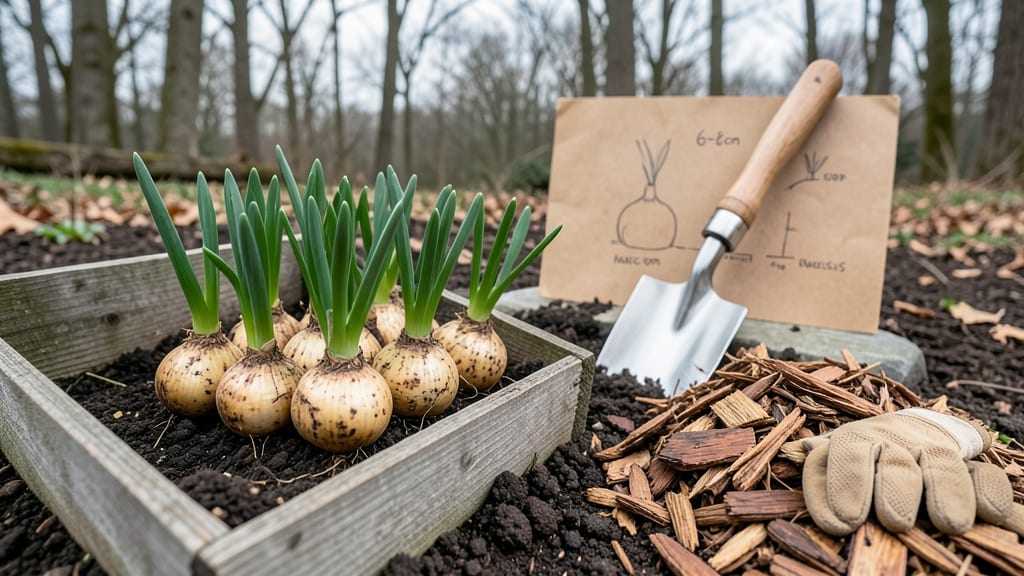
Planting daffodils at the wrong time in Portland, Oregon could mean waiting months—or worse, no blooms at all. The key to vibrant 🌼 displays next spring lies in understanding your local climate, and Portland’s Zone 8b weather patterns make timing everything.
Most gardeners in the Pacific Northwest assume fall planting is automatic, but Portland’s mild winters and unpredictable rain mean you’ve got a 4-week window where bulbs need to root before the ground freezes. Miss it, and your daffodils might rot before they bloom—or worse, never emerge at all.
I’ve tested planting schedules for years in Portland, and what I’m about to share will help you avoid common mistakes like planting too late (risking winter rot) or too early (when soil’s still too warm).
You’ll learn the exact months to focus on, plus how to adjust for microclimates like the Willamette Valley versus East Portland’s hills.
Ready to guarantee those cheerful yellow blooms by April? Let’s break down the best planting months and pro tips that actually work in Portland’s wet, mild climate—so you can enjoy daffodils that thrive year after year.
Portland daffodil planting calendar: month-by-month frost-free guide
Portland’s mild but unpredictable climate makes daffodil planting a balancing act. The key is planting bulbs 6-8 weeks before the first frost—typically between mid-September and mid-November—to give roots time to establish before winter.
In USDA Zone 8b/9a, this window aligns with soil temperatures dropping below 60°F (15°C), signaling dormancy for bulbs.
Your exact timing depends on microclimates like the Willamette Valley’s (warmer, wetter) vs. East Portland hills’ (cooler, drier) frost patterns. For example, Sauvie Island may see frost by November 1, while Hillsdale could wait until November 15. Use these month-by-month guidelines to adjust for your specific zone.
📅 Comparison Table: Ideal Daffodil Planting Windows in Portland
| Month | Ideal Planting Window | Soil Temp (°F) | Frost Risk | Microclimate Notes |
|---|---|---|---|---|
| September | Early to mid-September (best for early bloomers) | 65–75°F (18–24°C) | Low (first frost: Nov 15) | Perfect for Willamette Valley; bulbs establish before winter rains. |
| October | Entire month (peak window) | 50–60°F (10–15°C) | Moderate (frost likely by late Oct in hills) | Ideal for East Portland; plant by Oct 15 to avoid frost. |
| November | Early November (last chance) | 40–50°F (4–10°C) | High (frost likely) | Risky for low-lying areas; use mulch to insulate bulbs. |
| December | Not recommended (unless soil is workable) | 32–40°F (0–4°C) | Very high | Only for containers or protected microclimates. |
In September, focus on early-blooming varieties like 'Tête-à-Tête' or 'February Gold', which thrive when planted in warmer soil. Aim for 6–8 inches deep and 4–6 inches apart to prevent crowding. If your soil is clay-heavy (common in Portland), amend with compost or sand to improve drainage.
By October, shift to mid-to-late season daffodils like 'Ice Follies' or 'Thalia'. This month offers the sweet spot for root establishment before frost. In East Portland, where nights dip below freezing earlier, prioritize sheltered beds or raised beds to delay frost exposure.
If you’re a late planner, early November is your final window—but only if soil temps stay above 40°F (4°C). Use a soil thermometer to check; if it’s colder, wait until spring (though spring-planted bulbs bloom 1–2 weeks later).
For containers, move pots to a garage or shed until spring planting.
Pro tip: Mulch heavily (3–4 inches of straw or leaves) after planting to insulate bulbs and retain moisture. In Portland’s wet winters, this prevents rot while protecting against freeze-thaw cycles. Avoid synthetic mulches, which can trap too much moisture.
For Willamette Valley gardens, where humidity is higher, plant daffodils in slightly elevated beds to improve airflow. In drier East Portland microclimates, group bulbs with spring ephemerals like crocuses to create a layered, low-maintenance display that blooms sequentially
5 Critical factors that determine perfect daffodil planting timing in Oregon
Portland’s USDA Zone 8b climate creates a unique challenge for daffodil planting—balancing mild winters with spring rains and frost risks. Unlike warmer climates, Oregon’s cool, wet springs demand precise timing to ensure bulbs establish roots before dormancy.
Missing this window can lead to rot or poor blooms, so understanding these five critical factors will help you plant with confidence.
First, soil temperature is your best indicator. Daffodils need 60°F soil to start rooting, which typically occurs in late September in Portland. Use a soil thermometer to verify—cool soil delays root growth, while warm soil speeds it up.
This is why September is ideal for most gardeners, but October works if your soil warms later.
Rainfall patterns in Portland add another layer of complexity. The city averages 12 inches of rain in November, which can waterlog heavy clay soils common in the area. Planting too late (after mid-November) risks bulb rot from prolonged saturation. Amend your soil with compost or sand to improve drainage, especially in low-lying areas like the Willamette Valley.
- ✅ Soil Temperature: Aim for 60°F+ (late September–early October). Use a thermometer to check depth.
- ✅ Frost Dates: Plant 4–6 weeks before Portland’s first frost (Nov 15). Ideal window: Sept 15–Oct 31.
- ✅ Bulb Maturity: Choose firm, plump bulbs (no soft spots). Smaller bulbs need 2 extra weeks to root.
- ✅ Rainfall Timing: Avoid planting after Nov 15—excess rain increases rot risk. Test drainage first!
- ✅ Microclimates: East Portland hills freeze earlier; plant 2 weeks earlier than the Willamette Valley.
Bulb maturity often gets overlooked, but it’s crucial. Pre-cooled bulbs (sold in stores) are ready to plant, but smaller bulbs (2 inches) need 2 extra weeks to establish roots.
If you’re using dwarf varieties, start planting by September 1st to give them time. Pro tip: Inspect bulbs for firmness—soft or sprouting bulbs won’t survive transplanting.
Portland’s first frost date (Nov 15) is your hard cutoff, but microclimates can shift this by 2 weeks. Areas like East Portland hills freeze earlier, while the Willamette Valley stays warmer.
Adjust your timeline: if your yard is colder, plant by October 15th. For warmer microclimates, you can stretch to November 1st—just monitor forecasts for early freezes.
Finally, late starters aren’t out of luck. If you miss the ideal window, plant in early December but use mulch (4–6 inches) to insulate bulbs. Avoid planting after December 15th, as roots won’t have time to form before dormancy.
For early freezes, cover planted bulbs with straw or leaves until spring. With these adjustments, you can still enjoy vibrant daffodils next spring—even if timing wasn’t perfect.