
Plants
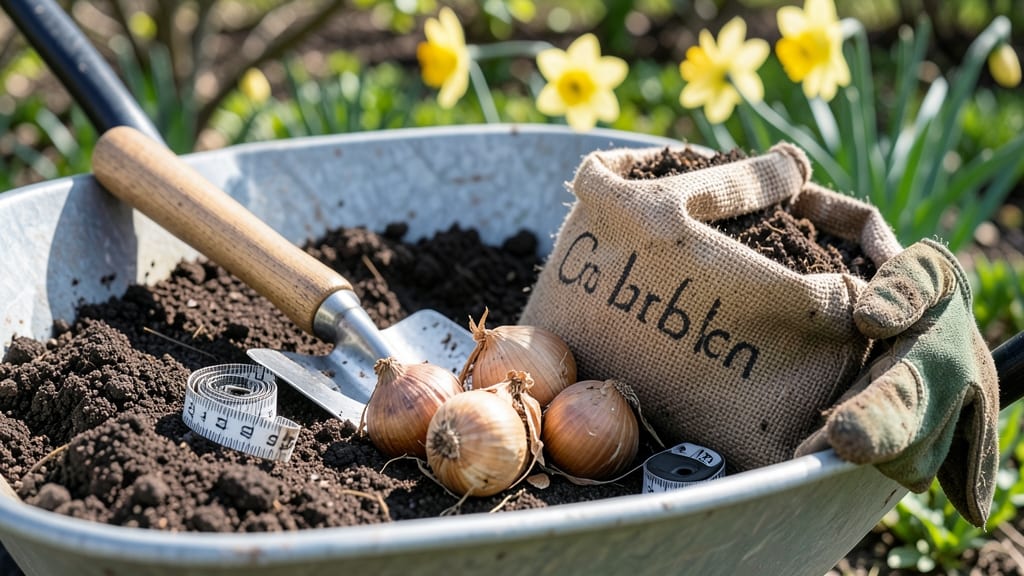
Planting daffodils in Minnesota isn’t just about dropping bulbs in the ground—it’s about timing them perfectly to survive brutal winters and burst into spring color. The 6-week window between September and October is your golden opportunity, but miss it, and your 🌼 might not make it through the freeze.
Here’s the secret: Daffodils need time to establish roots before the ground hardens, but they also hate soggy soil as winter sets in. In zones 3-5, aim to plant by mid-October—just before the first frost—so they get the cold they crave without rotting.
Think of it as a race against the clock, where the prize is next year’s cheerful blooms.
Spring planting? Not ideal in Minnesota’s climate, but if you’re desperate, early April (after the last frost) can work—though your daffodils will need extra care to catch up.
The key is preparation: loose, well-draining soil and the right depth (6 inches deep, twice the bulb’s height) to protect them from heaving and freezing.
Whether you’re a seasoned gardener or a first-timer, nailing this timing means fewer surprises and more vibrant spring displays. Let’s break down exactly how to get it right for your corner of the North Star State.
Ideal fall planting dates for Minnesota daffodils (by zone & soil conditions)
Timing your daffodil bulbs correctly in Minnesota means the difference between spring blooms and wasted effort. Since MN spans USDA zones 3-5, your exact planting window depends on where you live.
Most gardeners aim for 4-6 weeks before the ground freezes, typically between mid-September and early November. But let’s break it down by zone for precision.
First, check your local frost dates—Minnesota’s average first frost lands around October 10, but northern zones (like zone 3) freeze earlier. Southern MN (zone 5) might have 2-3 extra weeks of planting time.
Use the comparison table below to pinpoint your ideal week, then adjust based on your soil temperature (aim for 40-50°F).
Don’t rely solely on calendar dates—soil conditions matter most. If your soil stays warm and moist past October, bulbs can rot. Test with a soil thermometer or dig a small hole: if the soil at 6 inches deep feels cool but workable, it’s time to plant.
In clay-heavy soils (common in MN), wait until the ground cools further—zone 3 gardeners should plant by late September.
| USDA Zone | Ideal Planting Window | Soil Temp. Goal | Microclimate Adjustments |
|---|---|---|---|
| Zone 3 (Northern MN) | Late September – Mid-October | 40–45°F | Plant 2 weeks earlier if your yard stays warm (e.g., near lakes or cities). |
| Zone 4 (Central MN) | Mid-September – Late October | 45–50°F | Wait until after October 1 if your soil drains poorly (e.g., clay soil). |
| Zone 5 (Southern MN) | Early September – Early November | 50–55°F | Extend window to November 1 if your frost date is late (e.g., Twin Cities area). |
| All Zones | Plant 6+ weeks before frost | Avoid 60°F+ soil | Use mulch after planting to insulate bulbs. |
Pro tip: If you’re unsure about your microclimate, observe nearby trees or check with your local Cooperative Extension office. For example, urban areas (like Minneapolis) might have warmer pockets that delay frost, while rural zones freeze earlier.
Plant a test bulb in a protected spot (e.g., near a south-facing wall) to see how it fares.
What if you miss the fall window? Spring planting is possible in MN, but it’s riskier. Plant in early April (as soon as soil is workable) and keep bulbs consistently moist until roots establish.
However, spring-planted daffodils may bloom later or less vigorously than fall-planted ones. For best results, stick to fall—it’s the gold standard for daffodil success.
One more critical note: Daffodil bulbs need chilling to bloom. Minnesota’s winters provide this naturally, but if you’re in a mild microclimate (e.g., near a large body of water), consider pre-chilling bulbs in your fridge for 8-12 weeks before planting. This mimics the cold stratification they’d get underground.
Finally, don’t forget to amend your soil before planting. Daffodils thrive in well-draining, slightly acidic soil (pH 6.0–7.0). Mix in compost or sand if your MN soil is heavy clay, and avoid fresh manure—it can burn bulbs.
After planting, add a 2-inch layer of mulch (straw or shredded leaves work well) to insulate roots and suppress weeds.
With these zone-specific dates and soil prep tips, your daffodils will emerge strong and vibrant next spring—ready to outshine even the snowiest Minnesota winters. Happy planting! 🌼
Critical factors that determine success: soil, depth, and chilling requirements
Minnesota’s cold winters might seem harsh, but they’re actually a secret weapon for daffodils. These hardy bulbs need chilling to bloom, and our 60-100 days of winter provide the perfect trigger.
Without this cold snap, your daffodils might produce leaves but skip the flowers entirely. Think of it as a natural reset button that ensures vibrant spring displays year after year.
For best results, focus on three critical factors: soil preparation, planting depth, and spacing. Minnesota’s clay-heavy or rocky soils can pose challenges, but with the right amendments and techniques, you can create ideal growing conditions.
Let’s break down each element to maximize your daffodils’ survival and blooming potential.
🌼 Daffodil Planting Success Factors in Minnesota 🌼
| Factor | Minnesota-Specific Recommendation | Why It Matters |
|---|---|---|
| Soil Type | Loamy soil amended with compost (60% topsoil, 30% compost, 10% sand) | Breaks up clay compaction and improves drainage in MN’s heavy soils |
| Planting Depth | 6-8 inches deep (2x bulb height) | Prevents frost heaving in freeze-thaw cycles common in MN winters |
| Spacing | 4-6 inches apart (closer for dwarf varieties) | Allows air circulation to prevent fungal diseases in humid MN springs |
| Chilling Requirement | 60-100 days below 40°F (automatic in MN winters) | Triggers flowering—without this, bulbs may leaf out but not bloom |
| Rocky Soil Fix | Plant in raised beds with amended soil | Creates consistent depth where rocks aren’t present |
When preparing your soil, test for pH levels between 6.0-7.0. Minnesota’s native soils often lean acidic, which can stunt bulb growth. If your soil falls outside this range, mix in wood ash or lime to adjust—just be cautious with lime in clay soils, as it can worsen compaction.
For rocky gardens, consider creating raised beds filled with a 50/50 mix of topsoil and compost to give roots the space they need.
Depth is where many Minnesota gardeners go wrong. Planting too shallow (less than 4 inches) exposes bulbs to frost heaving, where freeze-thaw cycles push them up and out of the soil. Aim for 6-8 inches deep—this ensures roots establish firmly before winter sets in.
Use a trowel or bulb planter to create holes that match your bulb’s size, then backfill with the amended soil mixture.
Proper spacing isn’t just about aesthetics—it’s about disease prevention. In Minnesota’s damp springs, crowded daffodils create humid microclimates that invite fungal infections like basal rot. Space bulbs 4-6 inches apart to allow airflow, and avoid planting in low-lying areas where water pools.
If you’re planting in clay-heavy soil, consider adding a 1-inch sand layer at the bottom of each hole to improve drainage.
One of the biggest misconceptions is that daffodils need spring planting to survive Minnesota’s winters. The truth? Fall planting is non-negotiable—bulbs need time to establish roots before the ground freezes.
If you miss the fall window, you can try spring planting, but expect smaller blooms that year as the bulbs adjust to their new environment.